The Abrahamic Movement brings Israelis and Muslims together around a shared Abrahamic heritage to promote dialogue and normalization, even where such contact is illegal or dangerous. Founded by Tom Wegner in 2019 and expanded after October 7, 2023, the movement claims tens of thousands of supporters and more than 20 volunteer‑run branches. Activists such as Khurram Ali Raza in Pakistan and a Sunni scholar in Iraq face detention, legal penalties, and social backlash for advocating ties with Israel. The movement emphasizes respectful, scripture‑based dialogue as an alternative to both violent extremism and confrontational rhetoric.
“I Am Pro‑Abraham”: Unlikely Activists Risk Everything to Push for Peace and Normalization With Israel
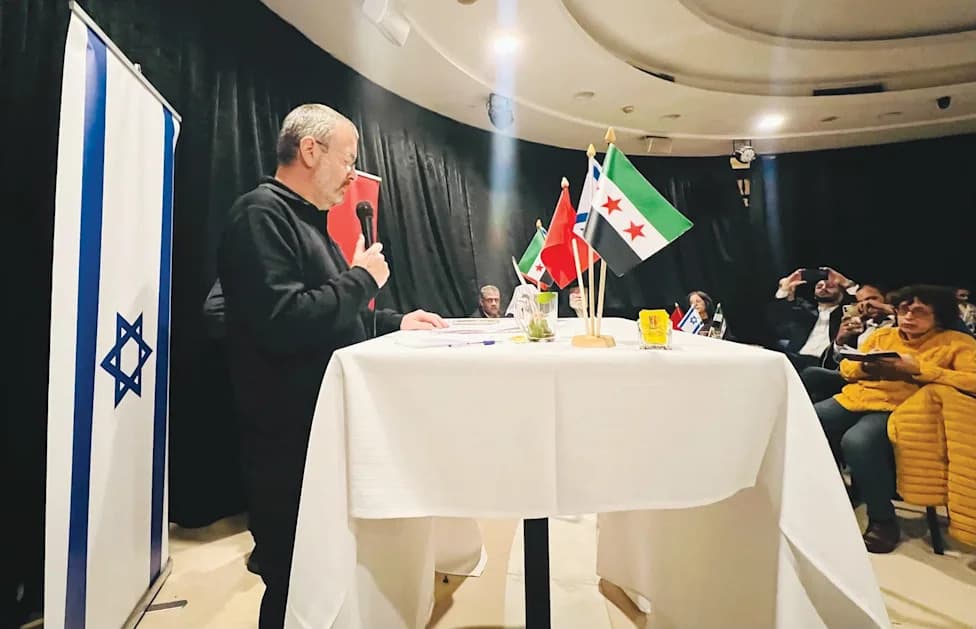
TOM WEGNER addresses an Abrahamic Movement gathering. While he can advocate openly for his vision of a shared regional identity, some of the movement's members live in countries where contact or normalization with Israel can carry severe legal and personal consequences. (photo credit: Courtesy Tom Wegner)
Across much of the Middle East, casual contact with Israelis can carry severe legal and social consequences. The Abrahamic Movement seeks to break those barriers by building people‑to‑people ties between Israelis and communities across the Muslim world, appealing to a shared Abrahamic heritage as a foundation for coexistence.
Origins and Growth
Tom Wegner founded the movement in 2019 and has guided its rapid expansion since the October 7, 2023 attacks, which convinced him the region’s order had become unsustainable. Drawing on years of contacts from his work in the IDF’s District Coordination and Liaison unit in Jericho, and later as a spokesman for former prime minister Ehud Barak and the Peres Center for Peace, Wegner has promoted the idea of a broad, inclusive identity that acknowledges common roots in Abrahamic tradition.
An Identity-Based Approach to Conflict
Wegner argues that many regional conflicts are driven by identity dynamics: strong in‑group identification fosters out‑group prejudice, stereotyping, and violence. His proposed remedy is not simple redrawing of borders but the deliberate expansion of the in‑group — an umbrella identity that preserves religious and cultural distinctiveness while reducing the incentives for hostility.
"One hundred percent of the people involved in this conflict — whether secular or Orthodox Jews, very religious or liberal Muslims, ex‑Muslims, Christian Arabs, Druze or Alawites — agree on the Abrahamic narrative: we all descend from Abraham," Wegner told The Jerusalem Post.
Wegner also contends the movement must offer a compelling ideological alternative to all‑consuming Islamist movements such as the Muslim Brotherhood and Iran‑aligned groups like Hezbollah and the IRGC. Those organizations often provide media, education, health care, employment networks and community services — resources that make them powerful recruiters in the absence of mainstream counter‑ideologies.
Religious Framing and Diplomatic Tact
Wegner encourages engagement with Muslim audiences on the basis of shared scriptural references rather than confrontational attacks on Islam. He cites Quranic passages — for example, Surah Al‑Ma'idah (5:21), Surah Al‑Isra (17:104) and Surah Yunus (10:93) — that refer to the Children of Israel, arguing these verses can open non‑hostile conversations about Jewish ties to the land in terms Muslims recognize.
Wegner warns that provocations — such as personal attacks on the Prophet Muhammad — are counterproductive and undermine any possibility of dialogue. Instead, he advocates respectful, heritage‑based discourse that preserves dignity and honor for all parties.
Members Who Risk Everything
Despite legal risks and social hostility, the movement claims tens of thousands of supporters and more than 20 volunteer‑run branches across the Muslim world. Many members have never visited Israel and remain anonymous for safety, but some have spoken openly about the personal costs of their activism.
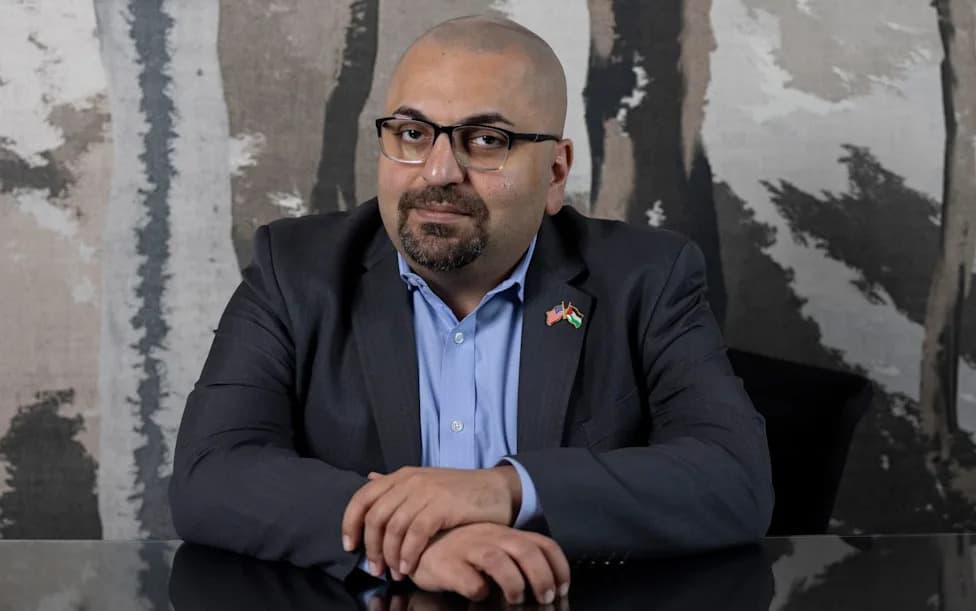
Khurram Ali Raza, chairman of the movement’s Pakistan branch, insisted on being named despite warnings. He says Pakistani authorities investigated him on suspicions of espionage and detained him for four months in a cell he described as cramped and dark. Raza maintains he is "not pro‑Israel; I am pro‑Abraham," and says his website is effectively blocked in Pakistan without a VPN. Relatives have urged him to stop, fearing social or legal repercussions.
In Iraq the stakes are even higher. A 2022 law titled "Criminalizing Normalization and Establishment of Relations with the Zionist Entity" punishes a range of normalization activities with penalties up to life imprisonment or death. In 2025 a Baghdad court sentenced a man to life in prison for promoting the "Zionist entity" on social media.
Still, some Iraqi voices — including a Sunni scholar who used the alias Abu Musa Al‑Iraqi — told The Jerusalem Post that reinterpretation of religious texts shows the Jewish‑Muslim conflict is not intrinsic to religion, and that normalization could reduce extremism. Al‑Iraqi and other advocates have faced public denunciations and accusations of belonging to an "Israeli influence network."
Challenges and Limits
The Abrahamic Movement faces substantial obstacles: restrictive laws, social stigma, hostility from Islamist organizations, and uncertainty that personal ties will translate into political change. The movement operates without formal funding, relying entirely on volunteers — a strength in terms of grassroots credibility but a limitation for scale and protection of members.
Conclusion
Whether the Abrahamic Movement can transform regional politics remains unclear. What is certain is that individual activists are willing to risk imprisonment, social ostracism and worse to promote a vision of coexistence rooted in common heritage and respectful dialogue. Their efforts underscore a broader question: can identity and faith be reframed to reduce long‑standing conflict and open a path toward normalization?
Help us improve.