Russian authorities added director Andrey Zvyagintsev to the country's list of "foreign agents," accusing him of spreading false information about state decisions following the Cannes debut of his film Minotaur. The 62-year-old, who lives in France, did not immediately respond. Zvyagintsev had used his Grand Prix acceptance speech to urge President Putin to stop the "carnage." The designation carries legal restrictions and is part of a broader campaign targeting critics since Russia's 2022 offensive.
Russia Adds Cannes Grand Prix Director Andrey Zvyagintsev To 'Foreign Agent' List
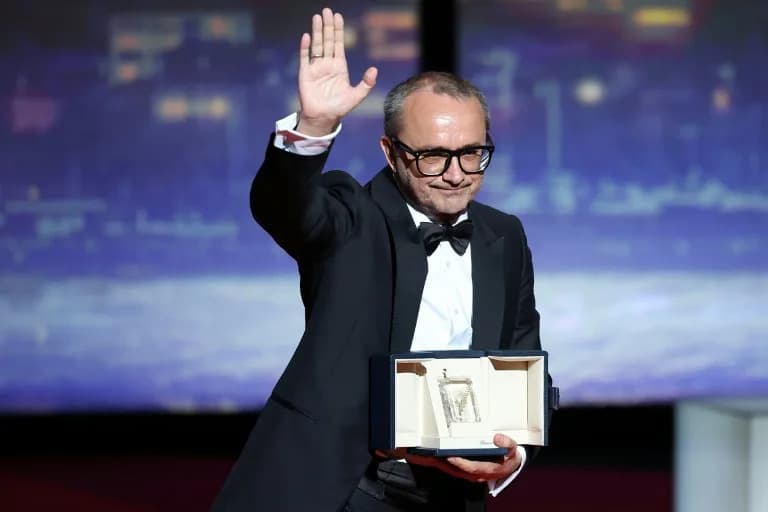
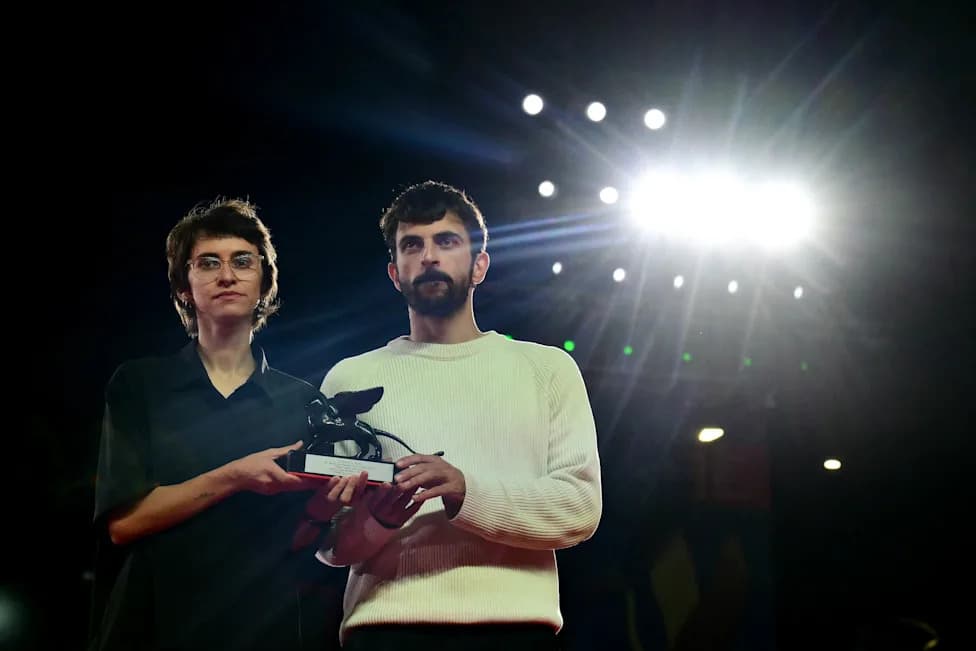
Zvyagintsev won the Grand Prix Award at Cannes (Sameer AL-DOUMY)
Russian authorities on Friday announced that veteran filmmaker Andrey Zvyagintsev, director of the Cannes Grand Prix–winning film Minotaur, has been added to the country’s register of “foreign agents.” The move follows the film’s premiere at the Cannes Film Festival in May and comes amid an ongoing crackdown on critics of the Kremlin and its war in Ukraine.
Minotaur is a bleak drama set against the backdrop of the Ukraine war. It centers on a provincial "mini-oligarch" who devises a toxic scheme to supply the war effort, a premise that Russian authorities say has crossed legal lines.
In a statement, Russia's Justice Ministry accused Zvyagintsev of disseminating "false information about decisions taken by the public authorities of the Russian Federation and the policies they pursue." The ministry added that "he interacted with foreign agents and resides outside the Russian Federation." Zvyagintsev, 62, was born in Siberia and now lives in France; he did not immediately respond to the designation.
Artist's Response And International Context
In his Grand Prix acceptance speech in May, Zvyagintsev publicly appealed to President Vladimir Putin to stop the "carnage," saying:
"The whole world is waiting for it."That high-profile appeal and the film's international visibility likely contributed to increased scrutiny from Russian authorities.
What The "Foreign Agent" Label Means
The "foreign agent" designation in Russia is applied to individuals and organizations that authorities deem to have foreign ties or to be spreading information contrary to state narratives. The label carries legal and practical penalties: it requires registration of activities with the state and can bar a person from holding certain public offices. Critics and independent voices who have received the label face reputational damage, administrative burdens and potential legal exposure.
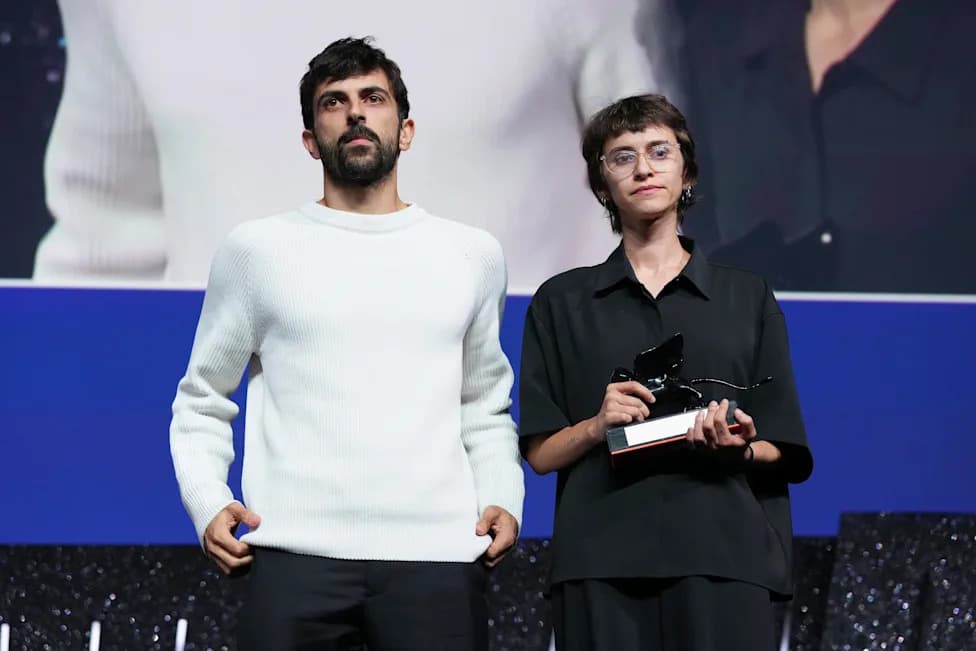
In March, the co-director of the Oscar-winning documentary Mr Nobody Against Putin was also declared a foreign agent, accused of disseminating inaccurate information about the Ukraine war. Since the 2022 offensive began, Russian authorities have launched legal proceedings against thousands of critics of the invasion.
While the designation is likely to complicate Zvyagintsev’s ties to Russia, his film continues to draw international attention and acclaim. Observers see the move as part of a broader pattern of pressure on cultural figures who criticize the war or the state.
Help us improve.