Indonesia has received the 41-year-old former Italian carrier ex-ITS Giuseppe Garibaldi, which will be commissioned next week as KRI Gajah Mada. Jakarta plans to convert the ship into a helicopter- and drone-capable support vessel for disaster response and maritime operations. Critics warn retrofit and lifecycle costs — with $450 million approved and retrofit estimates up to 16 trillion rupiah (~$900M) — could strain public finances. Supporters say the carrier can boost Indonesia’s maritime standing if sustained funding and a clear operational plan are provided.
Indonesia Commissions Former Italian Carrier KRI Gajah Mada — Cost, Role and Regional Debate
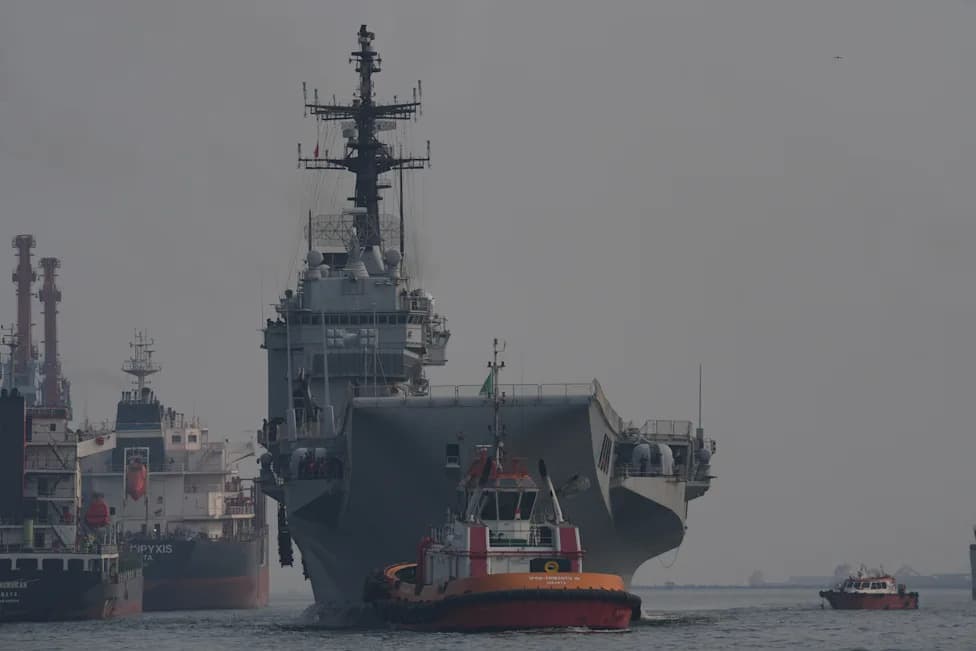
The Giuseppe Garibaldi, a former Italian Navy aircraft carrier, arrives at Tanjung Priok in Jakarta, Indonesia, Friday, Sept. 18, 2026. (AP Photo/Tatan Syuflana)
Indonesia has formally taken delivery of its first aircraft carrier, a 41-year-old former Italian warship that the government says will strengthen maritime security and disaster response across the archipelago.
The ex-ITS Giuseppe Garibaldi arrived Friday at the Tanjung Priok naval base in North Jakarta and will be commissioned next week as KRI Gajah Mada, named for the 14th-century Majapahit commander famed in Indonesian history. The ship is designed to operate short-takeoff, vertical-landing aircraft and multiple helicopters, but Jakarta plans to convert it primarily for helicopters, drones and maritime support missions.
Gift From Italy And Strategic Context
Italy retired the carrier in 2024 and agreed in March to transfer it to Indonesia as part of broader defence ties. The move also spares Italy the costs of decommissioning. Jakarta’s acquisition would make Indonesia only the second Southeast Asian country to field an aircraft carrier, after Thailand’s HTMS Chakri Naruebet (commissioned in 1997 after purchase from Spain).
Planned Role: Disaster Response And Maritime Support
President Prabowo Subianto and senior officials say the vessel will serve as a mobile command center and a support hub for helicopters, uncrewed aircraft and maritime operations across Indonesia’s thousands of islands. At a disaster-management briefing, Prabowo highlighted plans to use the ship to fight forest and peat fires and to provide rapid response during natural disasters.
“We will refurbish it and convert it into a carrier for helicopters and drones. This will greatly help our disaster response,”
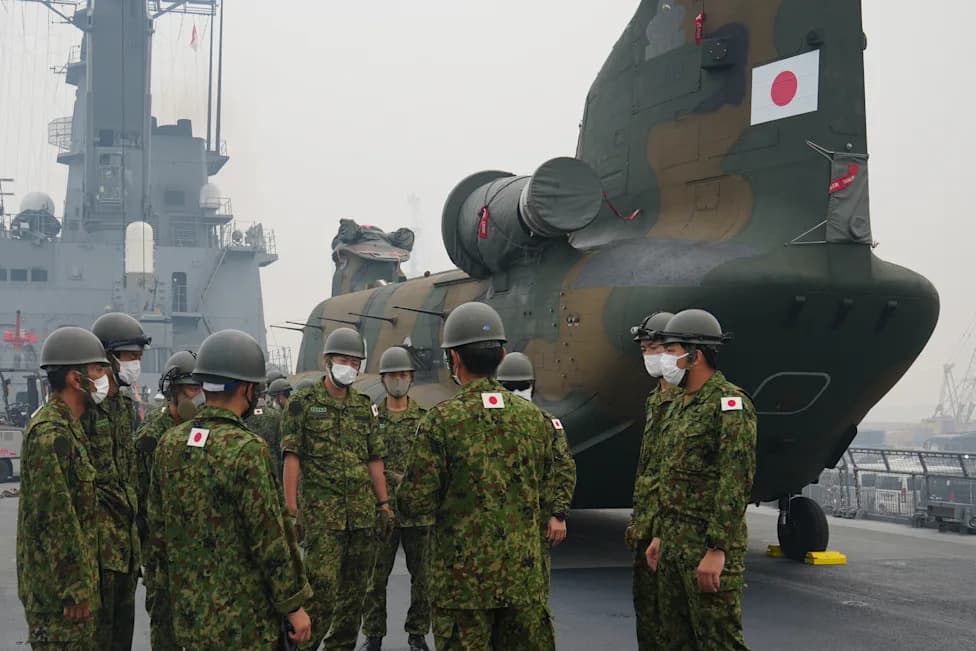
Officials say the ship could accommodate up to ten medium-size helicopters — types with capabilities comparable to Black Hawks or Mi-17s — and carry water and supplies to fire hotspots and disaster zones.
Costs, Financing And Skepticism
While the Finance Ministry approved $450 million in financing for the carrier program in 2025, lawmakers and analysts warn total costs could be much higher. TB Hasanuddin, a member of Parliament’s Commission I, estimated the retrofit alone might cost as much as 16 trillion rupiah (roughly $900 million).
Experts emphasize that acquisition is only the first expense: operating and sustaining a carrier requires long-term funding for crew, maintenance, fuel, training, weapons systems and supporting shore infrastructure.
“The plan to acquire the Garibaldi must be based on genuine operational needs and our ability to operate it, rather than being driven by pride or other considerations,”
said Muhammad Fauzan Malufti of the Center for Strategic and International Studies, who urged greater transparency about lifecycle costs and operational plans. He pointed to Thailand’s carrier as a cautionary tale, noting that HTMS Chakri Naruebet has spent much of its service life tied up in port because of budget and operational limits.
Military analyst Khairul Fahmi of the Institute for Security and Strategic Studies argued carriers are not Indonesia’s immediate priority. He advocates investments in submarines, frigates and asymmetric systems better suited to denying adversaries freedom of action in territorial waters. Still, Khairul acknowledged that a carrier could help project maritime stature and serve multifunctional roles if Jakarta commits the necessary resources.
Domestic Budget Pressures
The acquisition comes amid fiscal pressures: the government has expanded social programs, including a large free nutritious meals initiative, while economists warn of slowing growth and tighter revenues. That context has intensified scrutiny over whether a costly carrier conversion and long-term operating bill are prudent priorities.
What Comes Next
Indonesia plans to begin refurbishment and conversion work before formally commissioning the ship into the fleet. Policymakers will need to demonstrate transparent cost estimates, operational doctrines for the vessel, and plans for sustaining it long term — or risk the carrier becoming an expensive and underutilized asset.
Bottom line: KRI Gajah Mada may expand Indonesia’s maritime capabilities and disaster-response options, but its ultimate value will depend on realistic budgeting, clear operational roles, and consistent long-term funding.
Help us improve.