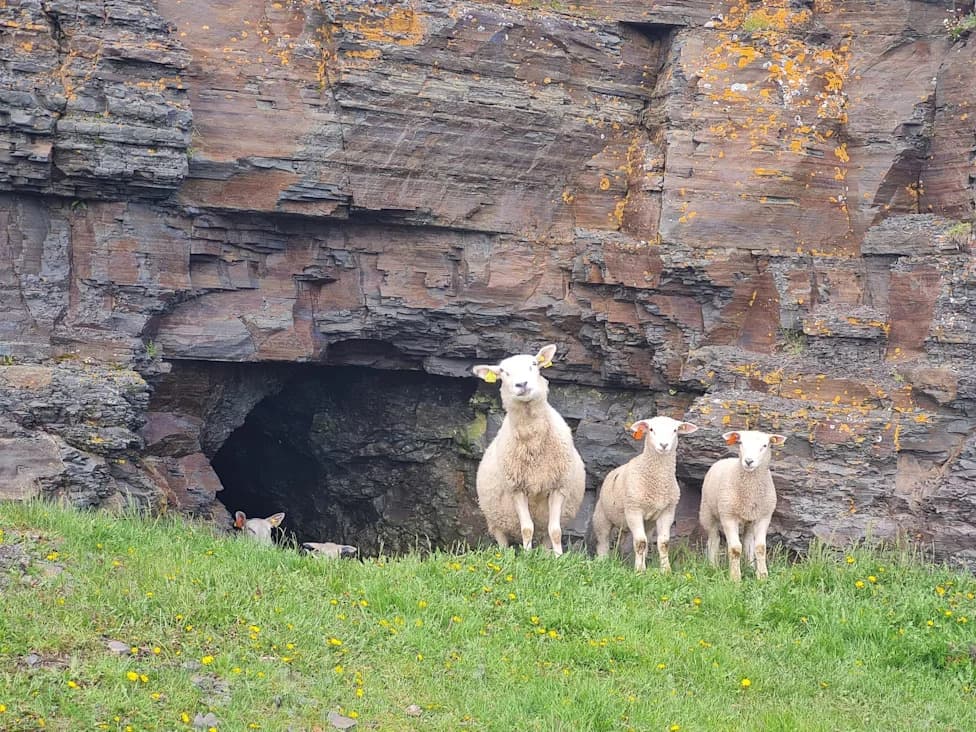
The University of Cambridge team reported a Charnia fossil discovered in a split rock in a sheep field in Finnmark, Norway, dating to about 560 million years ago. Though fern-like in appearance, Charnia lacked mouths or organs and resembles gelatinous animals more than plants. Rapid burial by an underwater avalanche likely produced its rare three-dimensional preservation with keels along the fronds, and the find suggests northern Norway may host an overlooked Ediacaran fossil community.
Fern-Like Fossil in Norwegian Sheep Field Turns Out to Be a 560-Million-Year-Old Animal

Tromso Arctic Norway Winter Photography© zied mnif/Shutterstock.com
A split rock in a sheep pasture in Finnmark, Norwegian Arctic, revealed a remarkably well-preserved fossil of Charnia — an enigmatic organism that lived roughly 560 million years ago during the Ediacaran Period. Although its frond-like form resembles a fern at first glance, detailed study shows Charnia was not a plant but a soft-bodied animal-like organism.
How the Fossil Was Found
Researchers from the University of Cambridge examined outcrops in northern Scandinavia after a rock fell from a cliff and split open, exposing the specimen. The discovery — reported in the journal Palaeontology — came from an ordinary-looking sheep field, underscoring how significant finds can appear in unexpected places.
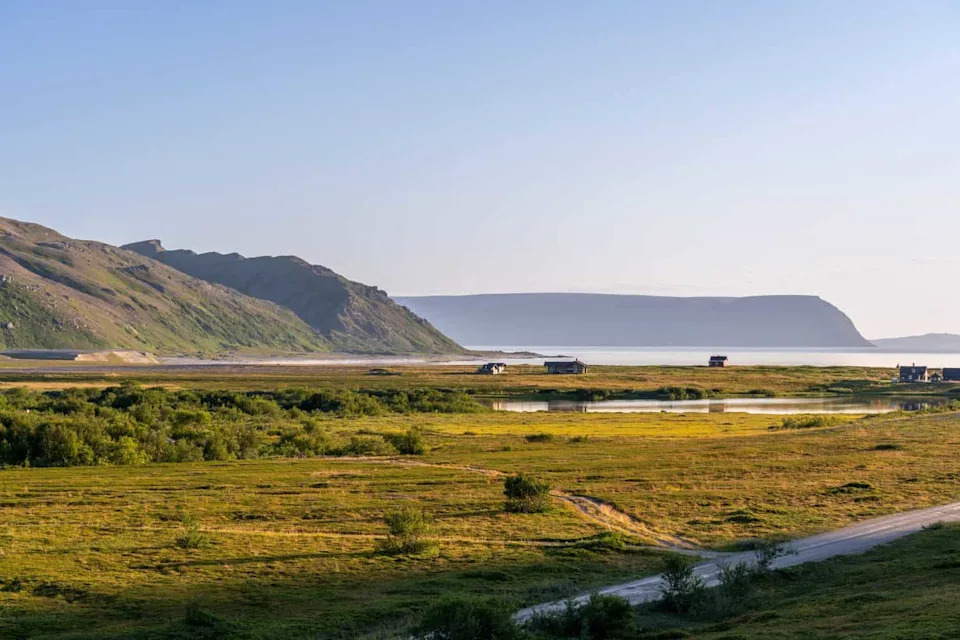
A rock that fell off a cliff in Finnmark, Norway, split open to reveal one of the stranger fossils in existence.©Mantas Volungevicius/Shutterstock.com
What Charnia Actually Was
The fossilized Charnia lacks a mouth, internal organs, or obvious musculature and likely lived below the ocean's photic zone, where sunlight cannot reach. Scientists compare its body plan more closely to gelatinous animals such as jellyfish than to modern plants: essentially a soft, sack-like organism that probably absorbed nutrients from surrounding water rather than feeding in a plant-like way.
Exceptional Preservation
Unlike many Ediacaran fossils preserved as flattened impressions, the Finnmark Charnia retained three-dimensional relief. The specimen displays raised ridges, or keels, along each frond branch — a feature rarely preserved. The team suggests an underwater avalanche (a density flow) rapidly buried the organism in sediment, protecting its shape and allowing this unusually detailed fossilization.
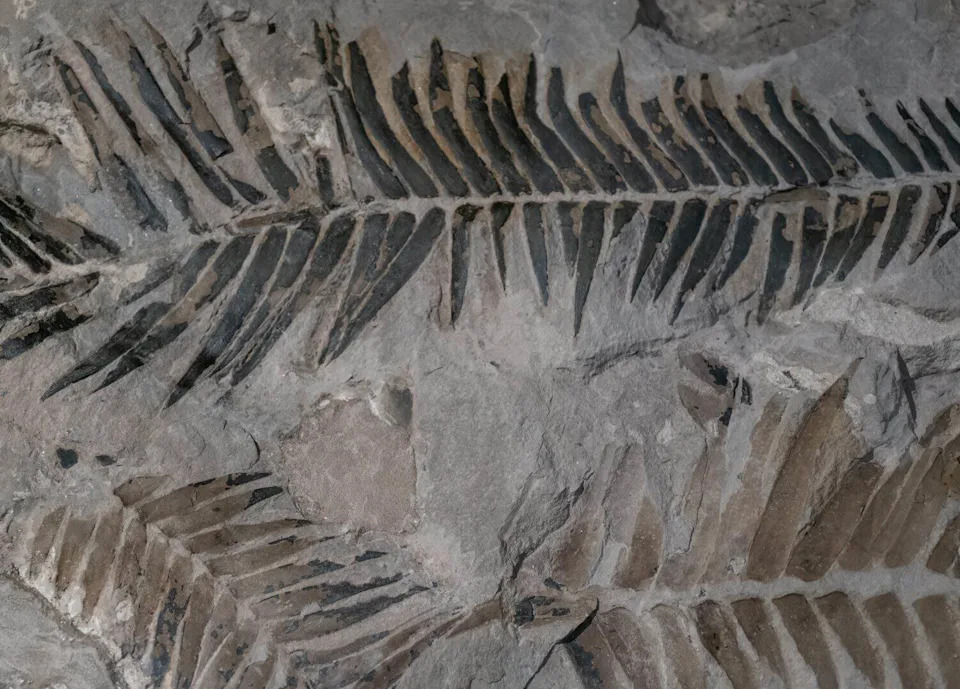
Charnia fossils may look like ferns, but they were actually animal life-forms similar to modern jellyfish.©Wlad74/Shutterstock.com
'As scientists, we tend to go to the same well-known sites again and again to look for fossils like these. This find shows that there is still potential for discoveries in less familiar places.' — Dr. Yorick Veenma, Dept. of Earth Sciences, University of Cambridge
Co-author Professor Neil Davies emphasized the rarity of three-dimensional Ediacaran preservation: many organisms from this time were soft-bodied and lack hard parts, so most remain only as squashed impressions. The Finnmark specimen therefore offers an exceptional window into the morphology of early complex life.
Why It Matters
The discovery suggests northern Norway's rocky cliffs may preserve an overlooked assemblage of early life forms, possibly including other unusual morphologies not matched elsewhere. The find highlights the value of broadening field searches beyond established localities to better understand the diversity and distribution of Ediacaran communities across ancient seafloors.
Reference: The team's detailed description appears in the journal Palaeontology (University of Cambridge research announcement).
Help us improve.