Many Venezuelan migrants released into the U.S. during a recent surge are bypassing traditional hubs like Miami and settling in smaller metros and suburbs. Utah is a prominent destination, attracting roughly 30,000 arrivals, drawn by cheaper housing, more jobs and less congestion. Local churches and small businesses have benefited, but growing enforcement and an enormous asylum backlog — about 500,000 pending cases — leave many families uncertain about their long-term future.
Venezuelans Skip Miami for Smaller U.S. Cities — Utah Emerges As A Major Destination
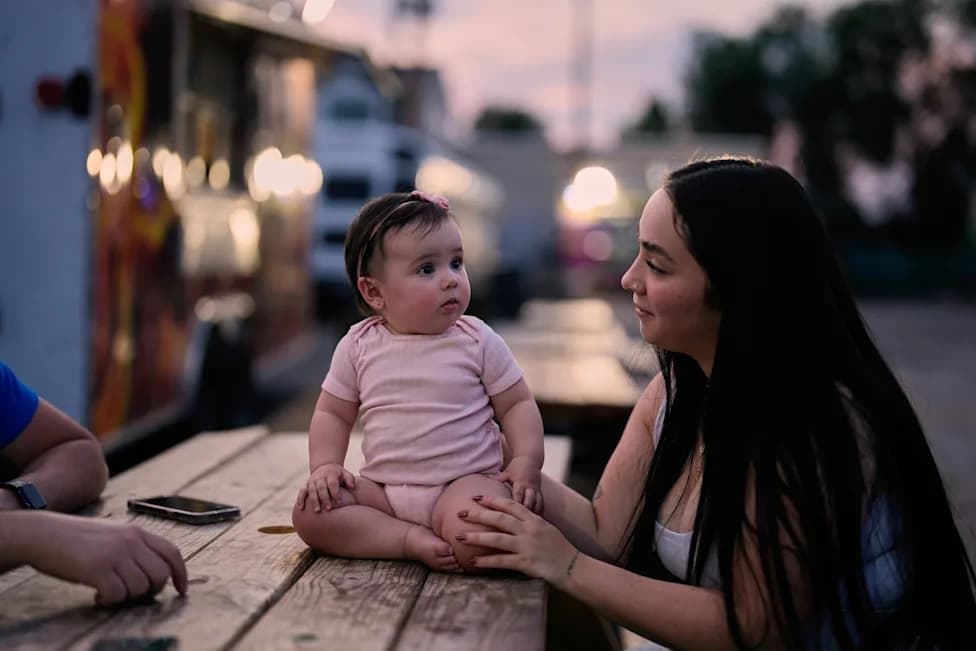
A Venezuelan mother sits with her daughter among food trucks Tuesday, July 14, 2026, in Midvale, Utah. (AP Photo/Gregory Bull)(AP Photo/Gregory Bull)
Snow-capped peaks framing a valley and broad, easy-flowing roads remind many Venezuelan newcomers that the growing suburbs south of Salt Lake City offer what Miami cannot: more affordable housing, steadier work and a quieter pace of life.
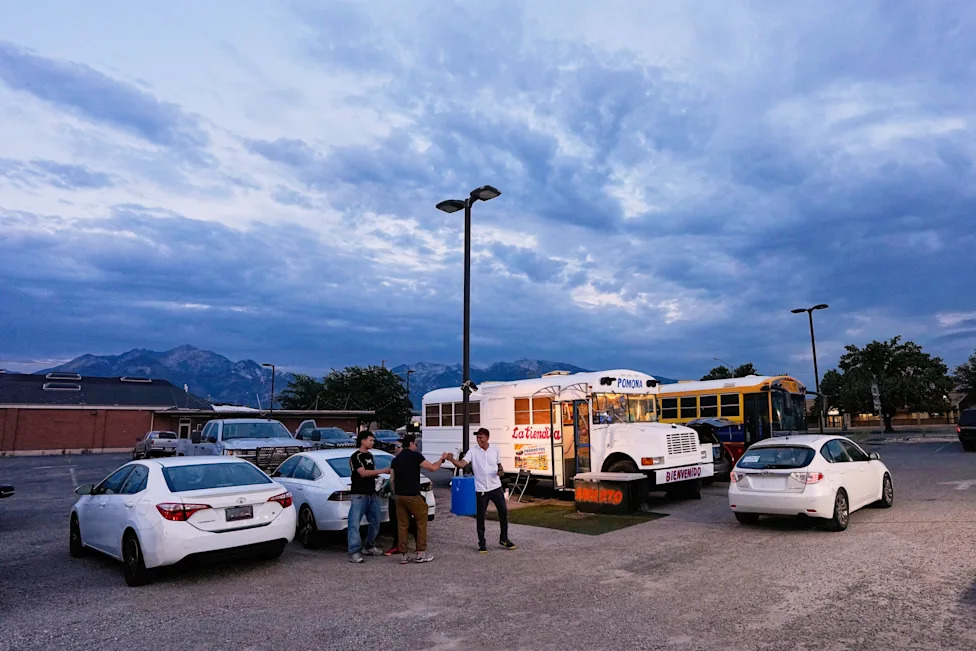
Venezuelan Jadiel Rodriguez greets people in front of his school bus turned store, catering to Venezuelan products Tuesday, July 14, 2026, in Midvale, Utah. (AP Photo/Gregory Bull)(AP Photo/Gregory Bull)
Migration Patterns and Destinations
Federal data covering fall 2018 through summer 2025 show that roughly 1 million Venezuelans were released into the United States after crossing the Mexican border during a record surge in migration. Rather than concentrating in historic immigrant hubs like Miami, many migrants dispersed to smaller metros and suburbs. Utah emerged as a top destination — about 30,000 of those released indicated they planned to go there — along with parts of the Chicago, Denver, Atlanta, Dallas and Houston areas and smaller cities such as Madison, Albuquerque and Savannah.
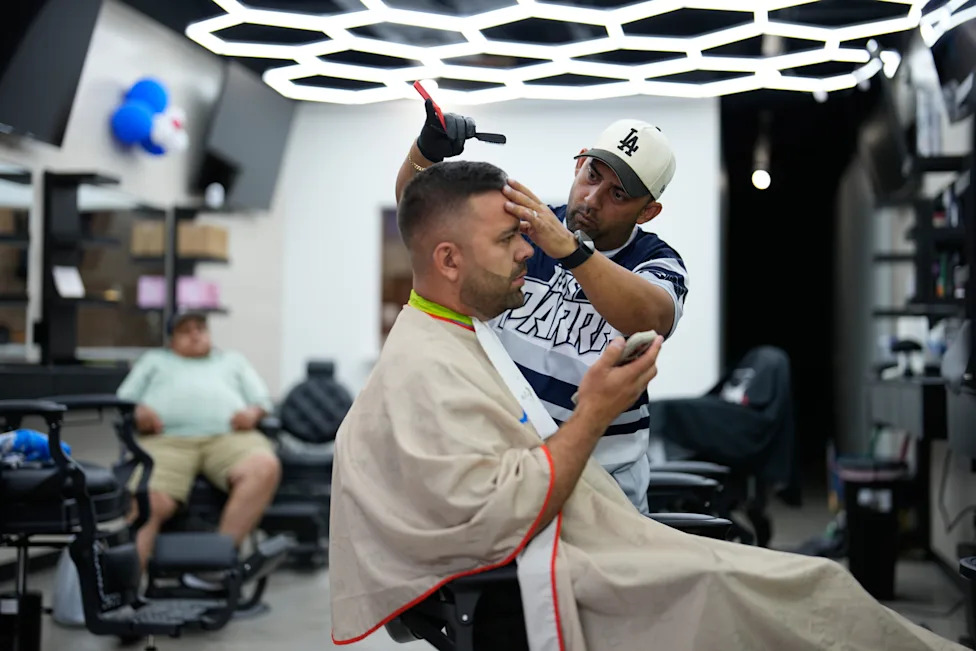
Barber Diego Contreras cuts the hair of fellow Venezuelan Diego Parra on Wednesday, July 15, 2026, in Midvale, Utah. (AP Photo/Gregory Bull)(AP Photo/Gregory Bull)
Why Smaller Cities Attract Migrants
New arrivals cited several practical reasons for choosing smaller cities: cheaper homes and rents, more available jobs (often in construction, food service, manufacturing and warehouses), less traffic and a perceived higher quality of life. For many, those advantages outweighed Florida's tropical climate and the convenience of existing Spanish-speaking communities.
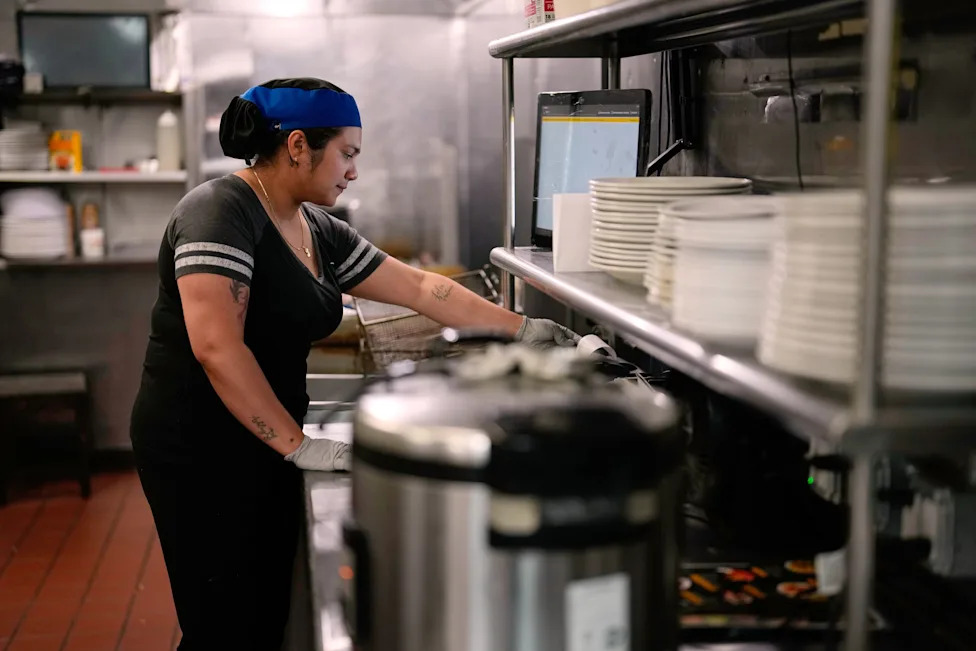
Dayana Ortega works at an Arempa's restaurant Tuesday, July 14, 2026, in Midvale, Utah. (AP Photo/Gregory Bull)(AP Photo/Gregory Bull)
Lives, Work and Local Economies
Individual stories illustrate the trend. Enrique Vera, 32, left Miami after two weeks because of low pay and poor conditions, then built a bakery business in Utah employing about 15 people. Others have established restaurants, barber shops and construction firms. Employers have benefited from an expanded labor pool; one construction company went from about 25 Venezuelan workers in 2020 to roughly 165 by 2022. At the same time, some Venezuelan-run businesses have recently closed, and housing and shelter systems have faced strain.
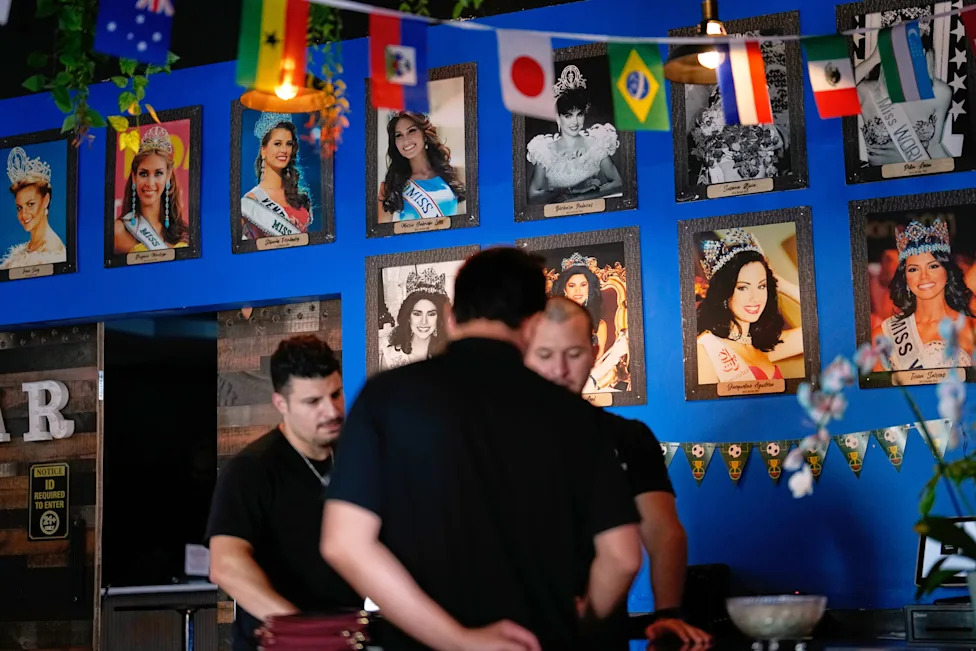
Photos of Venezuelan Miss Universe contestants line a wall at Arempa's restaurant Tuesday, July 14, 2026, in Midvale, Utah. (AP Photo/Gregory Bull)(AP Photo/Gregory Bull)
Community Institutions And Integration
Churches, local nonprofits and informal networks have been central to integration. In some parishes Venezuelan families now represent a substantial share of congregations. Community events such as food truck gatherings once drew thousands, though attendance fell amid heightened fears of enforcement.
Legal Uncertainty And Enforcement
Political and policy shifts have increased uncertainty. Many Venezuelans reported becoming more cautious and less publicly visible after a tougher enforcement posture began under the Trump administration and as policy changes affected work authorization programs. About 500,000 Venezuelans currently have pending immigration-court cases — the largest backlog for any nationality. Programs such as the CBP One appointment system, which at one point admitted many entrants with two-year permits, were ended or altered, affecting migrants' legal pathways.
Human Stories
'It feels like we're building on quicksand,' said Loreana Pachano, a real estate agent who moved from Florida to Utah and now helps other asylum seekers. 'We don't know when the rug is going to be pulled right under your feet.'
The article recounts harrowing journeys through the Darién Gap for some migrants, personal business successes and struggles, and mixed local reactions ranging from support and opportunity to concerns about public order tied to a small minority.
Outlook
Smaller U.S. cities have absorbed significant Venezuelan migration, gaining workers and new businesses while facing integration and legal challenges. Local institutions play a pivotal role, but long-term stability for many migrants depends on federal policy and the resolution of vast immigration backlogs.
Help us improve.