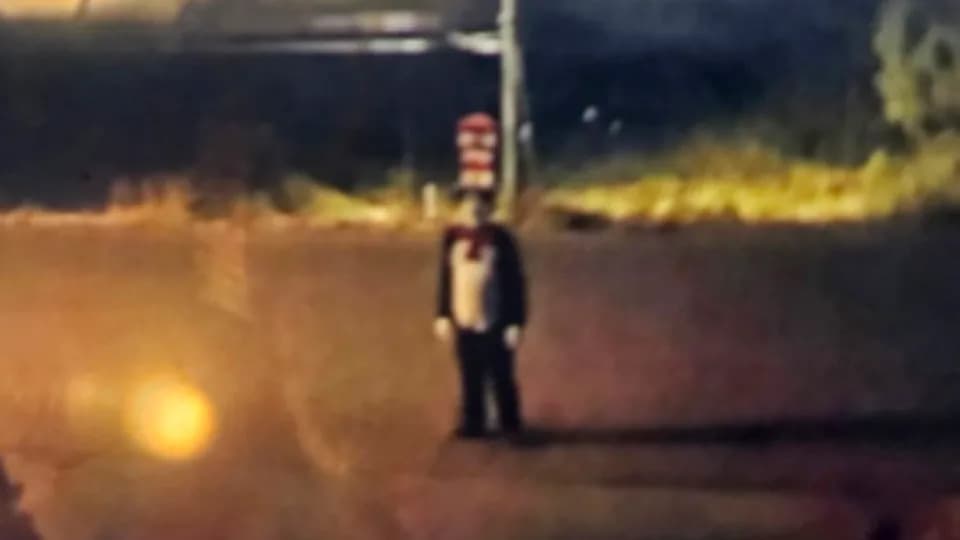
What Happened: A "Cat in the Hat" meme evolved from film edits into convincing AI-generated images and videos placing the character near schools and neighborhoods.
Impact: The posts have caused false reports, school disruptions and multiple juvenile detentions or arrests across the U.S.
Advice: Parents should calmly discuss hoaxes with children, discourage sharing, monitor social media and report alarming posts to authorities.
Viral 'Cat in the Hat' Hoax Is Leading to Teen Arrests — What Parents Need to Know

Warner Bros. TV/Getty Images
At first glance the latest viral meme — a twisted, creepy version of Dr. Seuss's Cat in the Hat — seems like a silly internet joke. But the trend has escalated into an AI-driven hoax that has prompted false reports, disrupted schools and led to arrests of several juveniles across the U.S. Parents, educators and community leaders should understand what this meme is, why authorities are taking it seriously and how to respond if children encounter it online.

What the Trend Is
Often called the "Cat in the Hat" meme, the trend began as dark-humor edits using clips from the 2003 Cat in the Hat film. According to Lt. Steven Orcutt of the Potter County Sheriff’s Office (Texas), it has evolved into realistic AI-generated images and short videos that depict a life-sized Cat in the Hat lurking near homes, neighborhoods, schools and public spaces. Posts sometimes include eerie music, threatening captions or claims that the character is "coming to" a particular town or school — messages intended to frighten viewers.

How It Spread
Investigations and reporting indicate the posts began circulating on Snapchat and were seen in Ireland and the U.K. before spreading to platforms such as TikTok and Instagram. Some iterations are staged with a person in a costume, while others are entirely fabricated with AI tools that make convincing edits and composites.
Real-World Consequences
Although authorities say the meme is not tied to real-world violence, the reaction to it can cause significant problems. Lt. Orcutt outlined several key issues:

“The trend creates unnecessary fear among parents, students and communities; generates false reports that drain law enforcement and school resources; and disrupts normal school operations when posts reference specific campuses,” Orcutt said. “It can also create opportunities for escalation when people imitate or amplify the trend for attention.”
Law enforcement agencies have reported arrests and detentions tied to posts referencing schools. Examples cited in media reports include a 14-year-old in Grand Junction, Colorado, arrested after posting a version referencing a middle school; a 15-year-old in Kansas who was detained; and a juvenile in Oxford, Mississippi, facing terrorism-related charges, according to local outlets. Authorities in Louisiana, Connecticut, Georgia and Texas have also reported detentions or investigations related to similar posts. Locally, Potter County reported processing one juvenile in their investigation.
Why Authorities Treat It Seriously
From a law-enforcement perspective, online posts that suggest or depict threats to specific schools or communities must be investigated until officers can confirm there is no credible danger. Even fabricated content can prompt panic, absenteeism, lockdowns and costly emergency responses. In addition, depending on wording and context, some posts may meet thresholds for criminal charges related to making threats, terroristic threats, or inducing panic.
What Parents and Schools Can Do
- Talk Calmly With Children: Explain that many viral videos are fabricated or staged. Reassure younger kids who may be frightened by images or sounds.
- Don’t Share Alarming Content: Encourage children not to forward or repost disturbing memes. Sharing can amplify panic and may have legal consequences.
- Report, Don’t Retaliate: If a post references your school or community, report it to the platform and to local school officials or law enforcement rather than trying to handle it privately.
- Document and Block: If you see a threatening post, screenshot it (including username and timestamps), then block the account and report it to the platform.
- Monitor Social Media Use: Stay involved with your child’s online activity, review privacy settings and set age-appropriate boundaries.
- Explain Legal Risks: Make clear that creating or sharing hoax threats related to schools can lead to detention or criminal charges.
Takeaway
Artificial intelligence and easy-editing tools have lowered the barrier for creating realistic but false content. What starts as a creepy joke can cascade into serious legal and community consequences. Awareness, calm communication and prompt reporting are the best defenses against these hoaxes.
Sources: Lt. Steven Orcutt, Potter County Sheriff’s Office (email interview, Sept. 15, 2026); reporting by The Guardian and WTVA; City of Grand Junction (public statement); Connecticut Post.
Help us improve.