U.N. independent experts found that Belarusian state institutions have systematically repressed critics since 2020 by coordinating arrests, surveillance, closed trials and post-release harassment. The three-member panel documents arbitrary arrests, torture and denial of legal safeguards, and warns some abuses may amount to crimes against humanity. The report will be presented to the U.N. Human Rights Council amid continued denials from Minsk.
UN Report: Belarus Used Justice System To Silence Lukashenko Critics — Some Abuses May Be Crimes Against Humanity
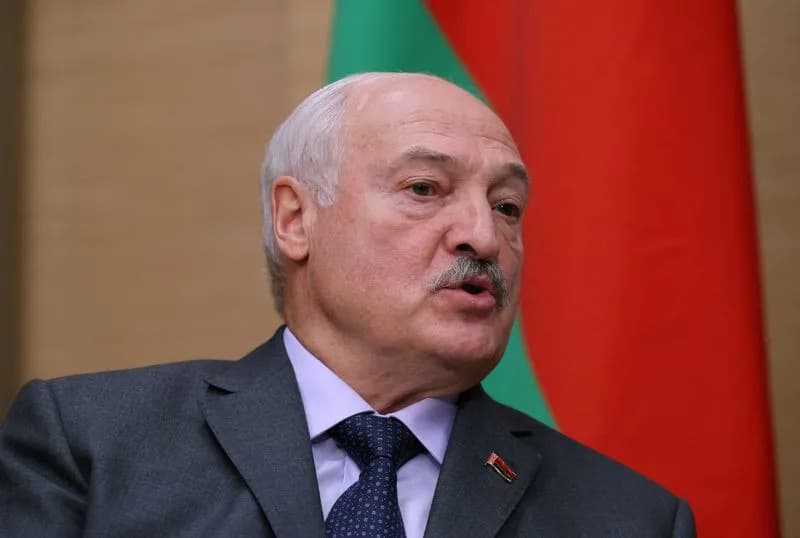
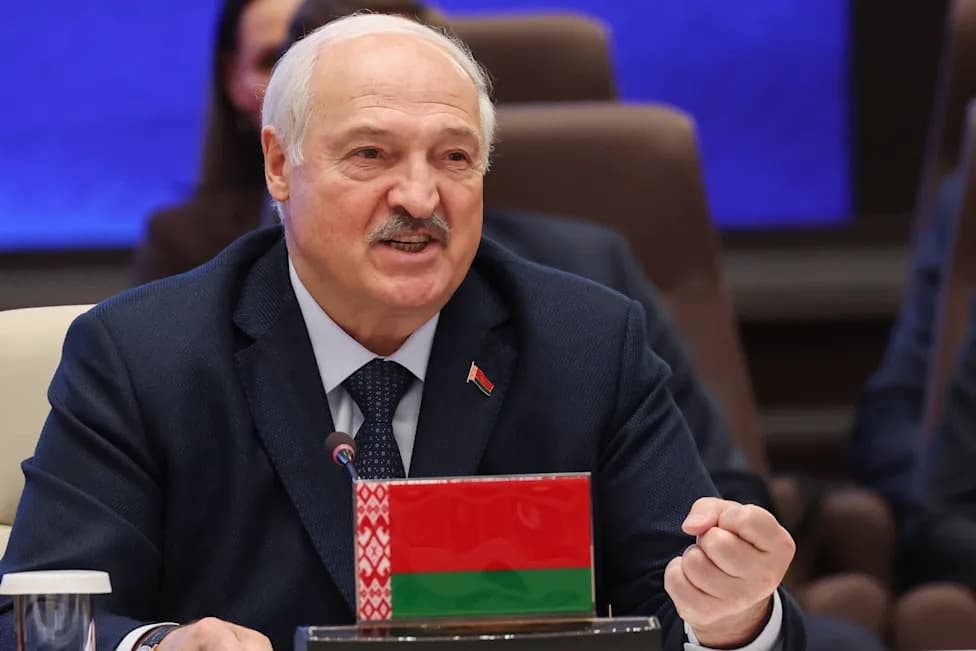
FILE PHOTO: Belarusian President Alexander Lukashenko attends a meeting with Russian President Vladimir Putin at the Novo-Ogaryovo state residence outside Moscow, Russia August 29, 2026. REUTERS/Anastasia Barashkova/Pool/File Photo
Geneva, Sept 15 — A United Nations panel of independent experts has concluded that Belarusian state institutions have coordinated since 2020 to suppress critics of President Alexander Lukashenko, using the full machinery of the justice system from arrests and detention to surveillance and post-release harassment.
Key Findings
The three-member Group of Independent Experts, in a report due to be presented to the U.N. Human Rights Council this week, found "systematic" violations of international human rights obligations across every stage of criminal processing: arrest, detention, trial, conviction and post-release supervision.
- Arbitrary arrests and detentions were documented, often followed by closed or unfair trials.
- Allegations include torture, ill-treatment, denial of legal safeguards and restricted access to counsel.
- The judiciary, police, prosecutors, security services and prison authorities acted in a coordinated manner to silence real or perceived opponents.
- Former detainees face ongoing surveillance and harassment after release.
- Some abuses committed since May 2020 could meet the threshold for crimes against humanity, including persecution and imprisonment.
Context and Response
The findings come six years after mass protests erupted following the August 2020 presidential election, which opposition groups and Western governments said was rigged. Thousands were detained during the subsequent crackdown; rights groups continue to document political prisoners in Belarus.
"The patterns of violations described in this paper continue to the present day," the experts wrote, noting the judiciary has helped legitimise these abuses and denied victims effective remedies.
The Belarus mission to the Geneva-based Human Rights Council did not immediately respond to requests for comment. The report also states that Belarus has repeatedly refused to cooperate with the experts, ignoring requests to meet or allow visits.
President Alexander Lukashenko has rejected accusations of electoral fraud and denies that political prisoners are held, calling those detained "bandits" and insisting authorities acted lawfully to restore order.
Former political prisoner and Nobel Peace Prize laureate Ales Bialiatski told Reuters this month that, despite some releases secured via international engagement, "the machinery of repression keeps running" and new political prisoners continue to appear.
Report authorship: The report was prepared by the U.N.'s Group of Independent Experts on the Human Rights Situation in Belarus, a three-member panel serving in their personal capacities.
(Additional reporting by Gwladys Fouche and Nerijus Adomaitis; Editing by Andrew Heavens)
Help us improve.