The article follows former street children in New Delhi's Paharganj who, supported by the Salaam Baalak Trust, now lead City Walk tours to raise funds and share their experiences. Outreach teams at New Delhi Railway Station offer shelter, healthcare, education and vocational training, though family reunification is often complicated when households depend on child earnings. Estimates of street children in India vary widely and many remain undocumented and vulnerable. Personal stories of Shivani, Jafar and Abhishek illustrate both the challenges and the opportunities created by the Trust's programmes.
From Streets to City Guides: How Former Street Children in Delhi Are Rebuilding Their Lives
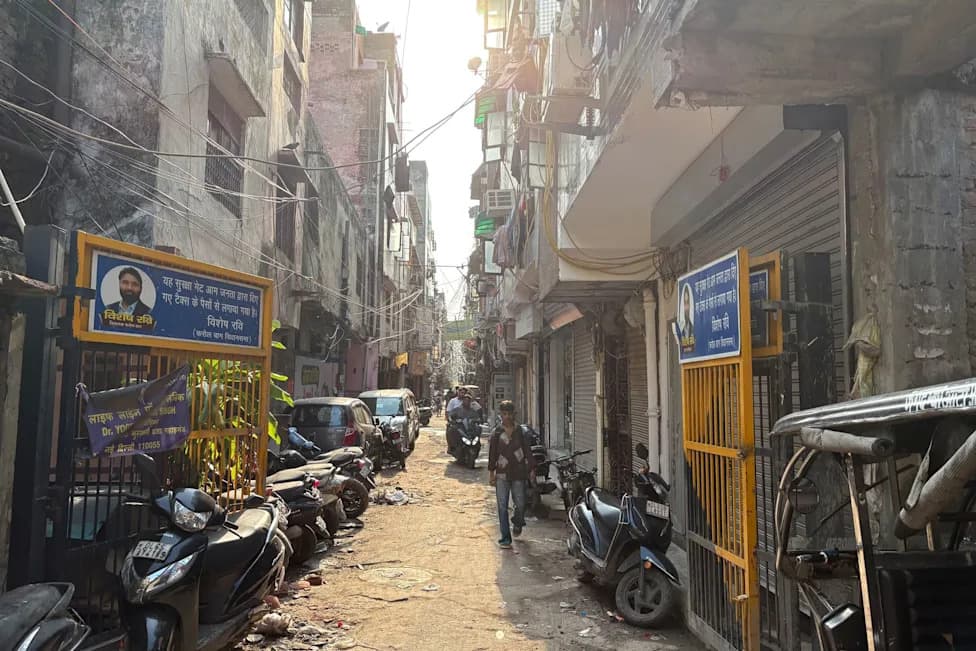
The area around New Delhi's railway station is home to many children forced to live and work on the streets. City tours offered by a local NGO and led by young adults who themselves lived in poverty provide a glimpse into the realities of the children's lives. Dirk Godder/dpa
In the narrow lanes of Paharganj, near New Delhi's main railway station, the aromas of street food and incense mix with the less pleasant smells of overflowing rubbish and stagnant water. A tangle of power cables hangs above low-rise buildings, and during the monsoon season people often have to wade through puddles and mud.
This busy neighbourhood is known for budget hotels, colourful markets and a steady stream of travellers. It is also a place where many children and young people work or sleep on the streets. Two of them — 18-year-old Shivani and 24-year-old Jafar — now work as guides for the Salaam Baalak Trust's City Walk programme.
From Outreach To Opportunity
The Salaam Baalak Trust is one of several NGOs operating around New Delhi Railway Station. Its outreach workers visit the area daily to make contact with children and their families, offering emergency shelter, healthcare, schooling and vocational training. "Social workers from the Trust come here every day with the aim of rescuing children," says Jafar.
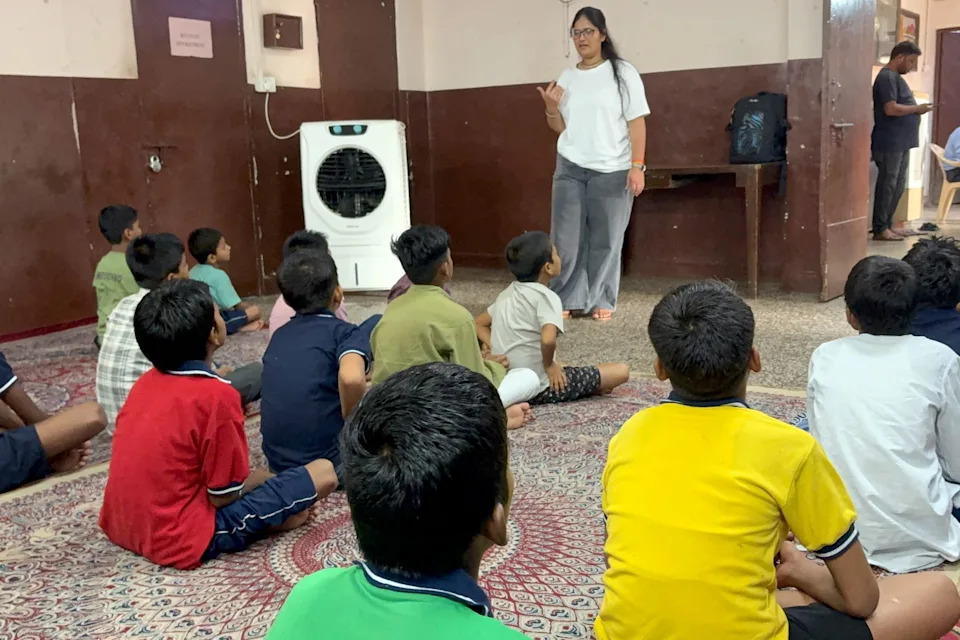
Children attend a lesson at a shelter for street children in New Delhi. Dirk Godder/dpa
Many children have little choice but to work: they collect rags, help in small restaurants, shine shoes or clean car windows. Convincing families to accept help can be difficult because household incomes often depend on what children earn.
Youth-Led City Walks
The City Walks are led by young people who have themselves experienced street life or extreme poverty. The programme both raises funds for the Trust's projects and gives visitors a direct insight into the realities these children face. "It's important for us to offer them a safe place — that is precisely our mission," says Mayurami Kakati, who leads the City Walk programme.
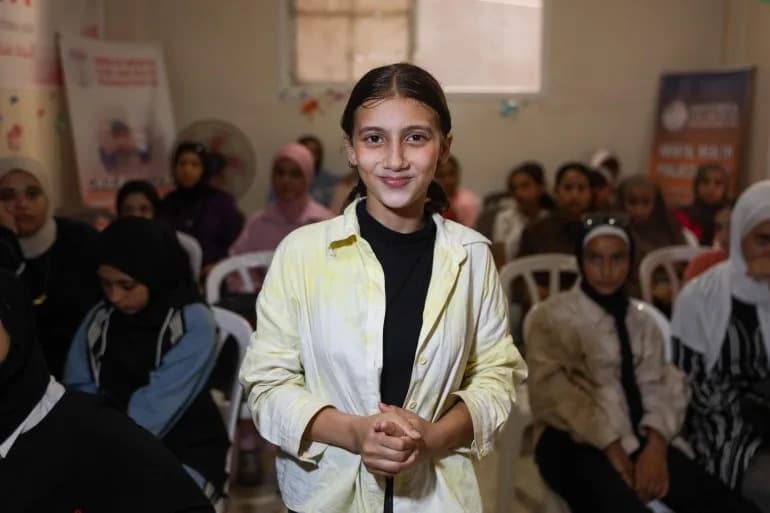
Shivani, who still lives in an informal settlement in Raghuvir Nagar, was persuaded at 13 to attend school by social workers. She is now studying at the University of Delhi. Jafar, who grew up in Seelampur's informal settlements, connected first with teachers via a mobile school bus, later moved into mainstream education and now holds a bachelor's degree in political science. "I want to improve my communication skills and give something back," he says of his work as a guide.
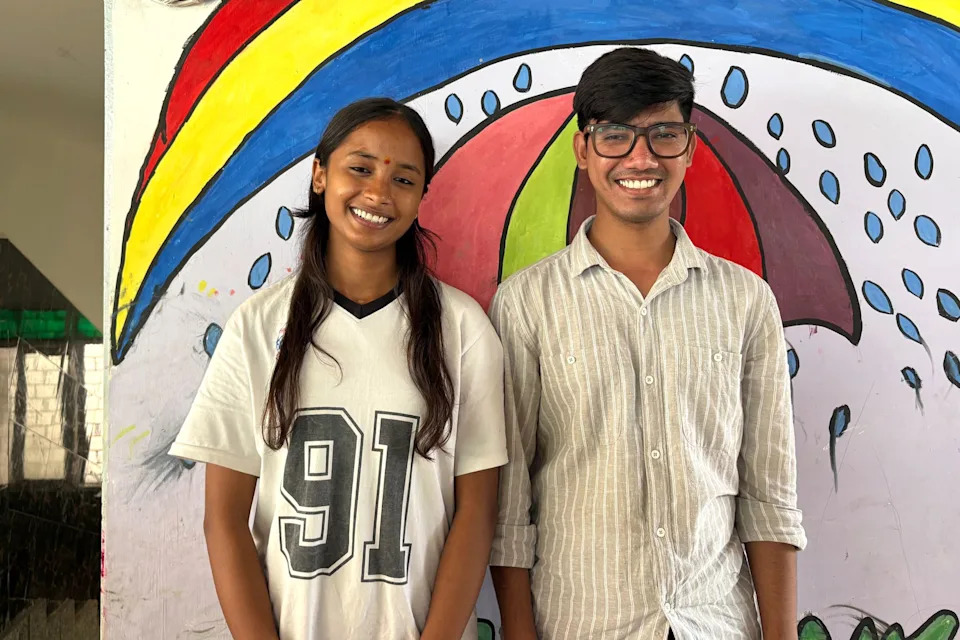
Shavani (l) and Jafar work as tour guides for the Salaam Baalak Trust in New Delhi. Dirk Godder/dpa
Scale, Risks And Reunification
There is no precise count of street children in India. A commonly cited government estimate suggests around 1.5 to 2 million, while other figures — including older UNICEF estimates — have been much higher. Many experts caution that numbers are hard to verify because children often lack identity documents or are vulnerable to criminal gangs. "Gangs at the railway station or bus stops lie in wait for the children," Jafar warns.
The Trust runs separate shelters for boys and girls in several cities and works with authorities to trace families and arrange reunifications. Social worker Sonu notes that tracing can take weeks or months: "Sometimes a postcode, photographs or vague memories of where they used to live are enough to help." However, reunification is complicated when families refuse to take a child back because they depend on the child's income.
Fourteen-year-old Abhishek, who arrived from Assam after a 2,000-kilometre journey, is staying temporarily at a boys' shelter. He now receives meals, shelter and lessons, and his teacher says he can already write a little in Hindi. Around 40% of children who arrive at the Trust's outreach centres are unable to read or write.
"These programmes are not just rescue operations — they are paths to education, dignity and steady employment for young people who would otherwise be invisible," says a Trust representative.
The City Walks combine storytelling, local insight and social purpose. For visitors they offer an unusual, human-focused tour of Paharganj; for the guides they provide an opportunity to earn a living, practice professional skills and help fund services for other children in similar circumstances.
Help us improve.