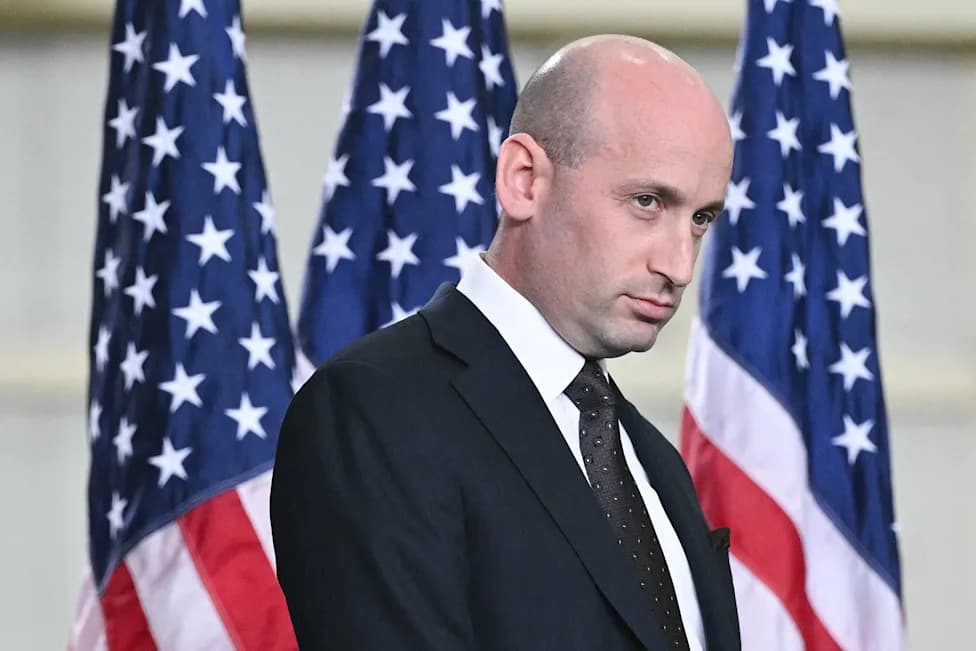
Stephen Miller, Trinity ’07, was remembered by Duke classmates as an attention-seeking and polarizing undergraduate whose campus behavior presaged his combative political career. He wrote provocative columns for The Duke Chronicle, organized conservative student groups, and publicly defended the Duke lacrosse players — positions that won him both criticism and reluctant respect. Classmates remain divided: some see continuity between his college persona and his role as a senior White House adviser, while others prefer not to amplify his notoriety.
“He Likes the Attention”: Stephen Miller’s Duke Years Through Classmates’ Eyes
‘He Likes the Attention’: Stephen Miller, Through the Memories of His Duke Classmates
Stephen Miller, Trinity ’07, who rose to national prominence as a senior adviser in the Trump White House, left a distinct impression on classmates at Duke University. His behavior as an undergraduate — provocative, unapologetic and performative — foreshadowed the combative public persona he would later inhabit in Washington.
Classmates remember an eccentric young man who sought and often relished attention. During freshman orientation he reportedly introduced himself with, “Hi, I'm Stephen Miller. I'm from Santa Monica, California, and I like guns,” quickly earning the nickname “Guns.” Pegram dorm residents recall him carrying a real metal sword, wearing a peculiar brown bathrobe, drinking scotch and smoking Nat Sherman cigarettes. Those details, along with a tendency to provoke, became recurring anecdotes in later profiles and biographies.
Campus Provocateur
Miller channeled his energy into campus conservative activism and opinion writing. He wrote a recurring column for The Duke Chronicle called “Miller Time,” founded a campus chapter of Students for Academic Freedom, and served as executive director of the Duke Conservative Union in his senior year. Classmates and editors say he cultivated a deliberately confrontational persona: outraged readers often responded with letters to the editor — exactly the reaction he sought.
“He wanted to have really extreme positions and upset people, provoke people and just really set himself apart.” — Seyward Darby, former Chronicle editor
One early example that drew national attention was Miller’s defense of the Duke men’s lacrosse players in 2006. Through multiple Chronicle columns and television appearances, he argued for a presumption of innocence and criticized the district attorney’s handling of the case. When charges against the players were dropped in April 2007, some classmates saw the episode as a vindication of Miller’s stance and a turning point in his public development.
Polarizing Tactics, Mixed Reactions
Even allies sometimes found Miller’s tone counterproductive. More moderate conservatives and others who otherwise might have agreed with some of his positions described his rhetoric as unnecessarily confrontational. At times he rejected alliances with figures further to the right of him, including denying mentorship ties to white supremacist Richard Spencer and refusing to debate a 9/11 conspiracy theorist.
For many alumni, memories of Miller are now blurred or deliberately muted. Some decline to speak about him, citing fatigue with his public profile and a desire not to amplify it — “don’t give him oxygen,” as one former editor put it. Others recall only fragments: a reported romantic relationship during his first year, club activity that sometimes existed mainly on paper, and a reputation for cultivating a personal brand more than close friendships.
From Duke To Washington
Miller’s college habits — public provocation, organizational ambition, and an unwillingness to back down from fights — anticipated his approach in government. After serving as a White House speechwriter beginning in 2017, he advanced to Deputy Chief of Staff for Policy and became a central architect of immigration and national security initiatives, including the Trump administration’s travel restrictions that prompted a 2017 alumni letter and fundraising response from some Duke graduates.
Classmates who followed his career see continuity: the same relentless, uncompromising attitude that once made him a polarizing campus figure now defines his governmental role. Others simply say they are tired of discussing him publicly.
Miller did not respond to requests for comment about his former classmates’ recollections.
Reporting and memory-based characterizations in this piece reflect interviews and archival reporting from classmates, reporters and university publications; some recollections are subjective and were reported here as memories and perspectives of those interviewed.
Help us improve.