Point Nemo is the ocean location farthest from any land, at 48°52.6′S 123°23.6′W and roughly 2,688 km from the nearest islands. Calculated in 1992 by survey engineer Hrvoje Lukatela, it is one of Earth’s poles of inaccessibility and a uniquely remote oceanic point. The site has been linked to the 1997 "Bloop" sound (later attributed to ice quakes) and serves as a remote re-entry area for decommissioned spacecraft, including the Russian station Mir.
Point Nemo: The Ocean’s Most Isolated Spot — A Graveyard for Spacecraft and a Home Only to the Deep Sea
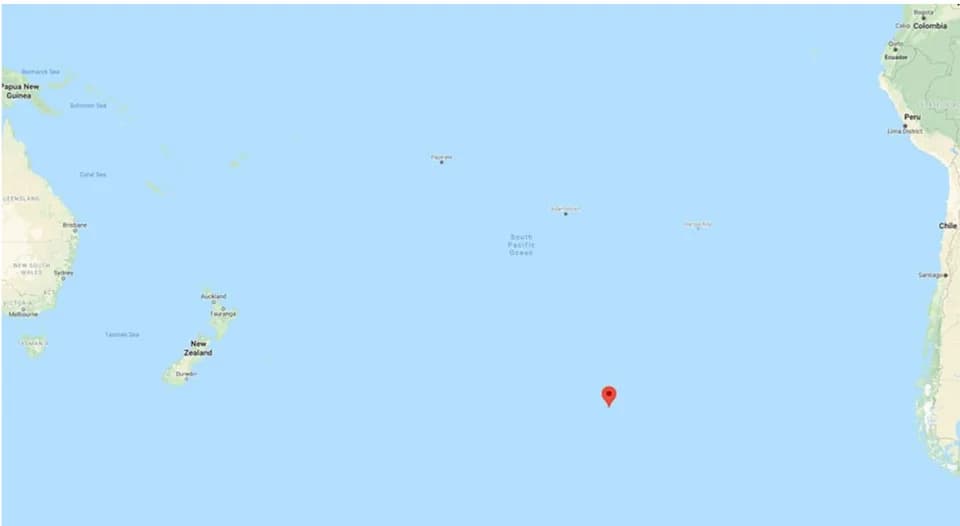
Point Nemo.National Ocean Service
Point Nemo — a name that captures both solitude and mystery — is the location on the ocean surface farthest from any land. Located in the South Pacific, it sits at coordinates 48°52.6′S 123°23.6′W and lies roughly 2,688 kilometers from the nearest coastlines.
What and Where Is Point Nemo?
Point Nemo (short for "nobody" in Latin) is the oceanic "pole of inaccessibility": the spot in the sea that is farthest from any point of land above sea level. The nearest landmasses are Ducie Island (part of the Pitcairn Islands) to the north, Motu Nui near Easter Island to the northeast, and Maher Island off Antarctica to the south.
How It Was Found
The location was calculated in 1992 by Croatian–Canadian survey engineer Hrvoje Lukatela using geospatial analysis. The point is sometimes called the South Pacific Oceanic Pole of Inaccessibility and is one of Earth's eight poles of inaccessibility — unique, along with the Northern Pole of Inaccessibility, for being located on ice or open water rather than inland.
Coordinates: 48°52.6′S 123°23.6′W — approximately 2,688 km from the nearest land.
Wildlife, Currents, and Size
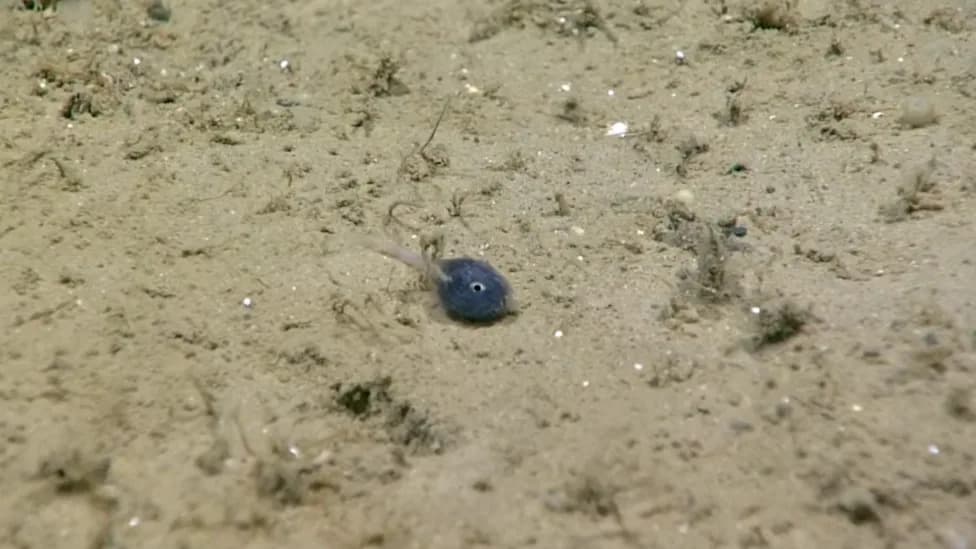
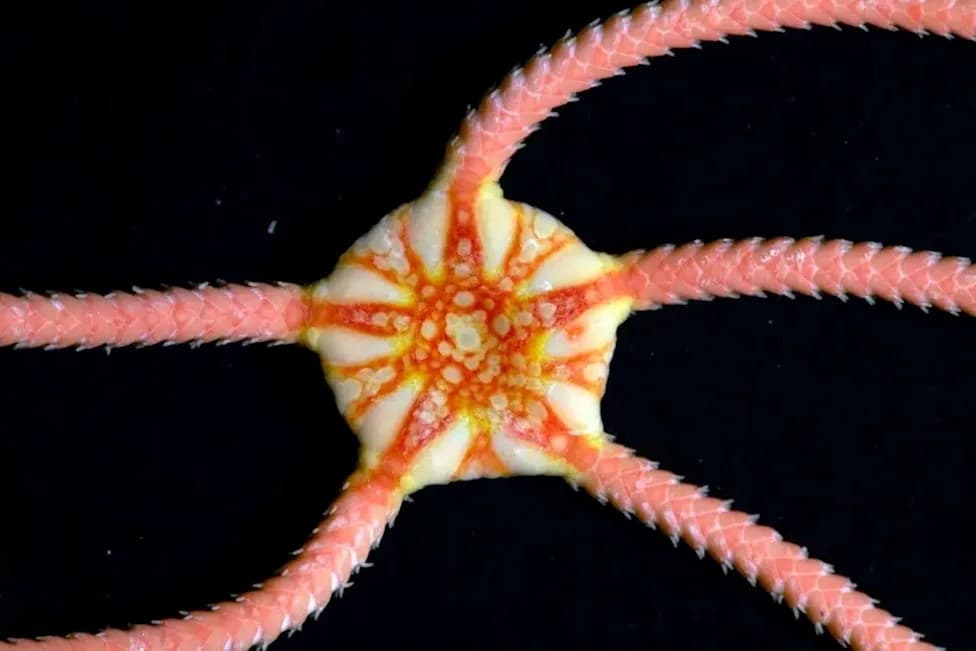
Point Nemo is not an island but a point in open ocean, so it supports no human habitation; only marine life occupies the surrounding waters. Some accounts describe the area as having relatively weak currents and being less hospitable to larger migratory species. One source reports the remote-centered region around the pole covers an area reportedly about 34 times the size of France (this is an approximate comparison used to convey scale).
Mysteries and Myths
The remote region has been linked to the famous underwater sound nicknamed the "Bloop," detected by NOAA hydrophones in 1997. For a time the Bloop inspired speculation about gigantic unknown creatures, but later analysis attributed the sound to ice-related phenomena — likely the fracturing and cracking of large icebergs.
A Spacecraft Cemetery
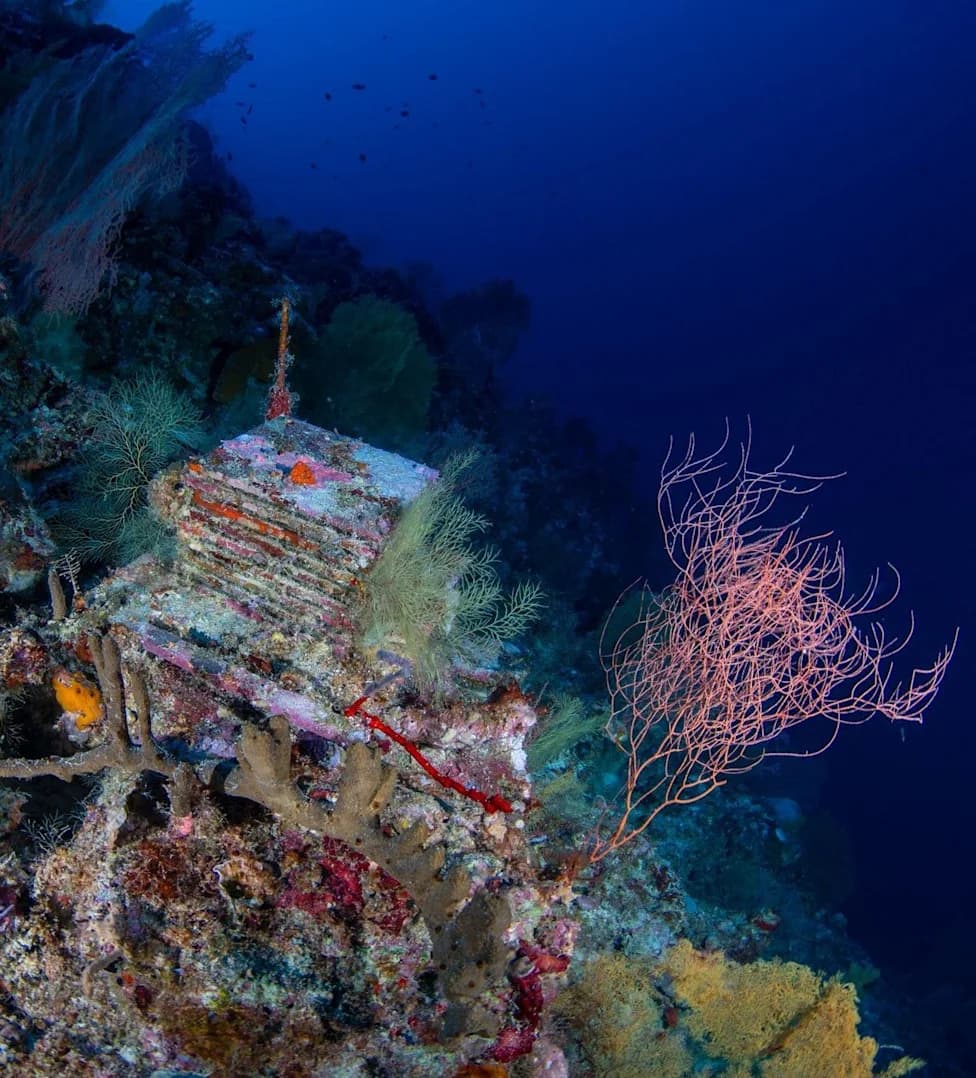
Because of its extreme remoteness, Point Nemo and the surrounding South Pacific Oceanic Uninhabited Area have been used as re-entry zones for decommissioned spacecraft. The Russian space station Mir was deliberately de-orbited to fall into this area in 2001 to avoid risk to populated regions. NASA also recognizes remote parts of the South Pacific as suitable for controlled re-entries. Over time, this has led to a so-called "spacecraft cemetery" of discarded equipment in the general region.
Name and Cultural Note
The name "Point Nemo" honors Captain Nemo, the solitary submarine commander in Jules Verne’s Twenty Thousand Leagues Under the Sea, a fitting literary touch for the loneliest spot on the planet.
Why It Matters: Point Nemo is a vivid reminder of how vast and isolated our oceans remain — a geographical curiosity that intersects science, exploration, and the practical needs of space agencies.
Help us improve.