European prosecutors and law-enforcement officials say the U.S. Department of Justice has been slow or largely unresponsive to mutual legal assistance requests tied to investigations stemming from the Jeffrey Epstein file releases, multiple sources told The Washington Post. Officials in Poland, Norway and Latvia — along with investigators in at least five other countries — say delayed or missing responses could impede evidence gathering in cross-border inquiries.
Requests, Countries And Status
Polish prosecutors said they sought unredacted documents from the DOJ in April that reference Poland or Polish nationals but had not received substantive responses. Norwegian prosecutor Marianne Bender described the lack of reply as "unfortunate," and Latvian police said several mutual legal assistance requests to U.S. authorities have gone unanswered. At least eight countries opened investigations after the staggered release of Epstein-related records revealed alleged contacts and possible abuse abroad.
Possible Causes Of Delay
Observers point to a mix of bureaucratic and legal explanations. Mutual legal assistance requests are often complex and can take weeks or months to process, especially when records are voluminous or contested redactions are involved. The DOJ's Office of International Affairs has been reported to face high caseloads, staff turnover and outdated technology, which defense attorney and former DOJ official Samer Korkor said can exacerbate delays.
The DOJ has stated that it "has not refused to assist any jurisdiction investigating potential criminal conduct related to Jeffrey Epstein" and remains committed to cooperation, while also noting constraints around sharing victim-identifying information.
U.S. Litigation And Domestic Disputes
Delays have also fueled litigation inside the United States. New Mexico prosecutors—whose jurisdiction includes Epstein's Zorro Ranch—sued the DOJ and a federal attorney general in August, accusing the federal government of withholding unredacted Epstein files and "stonewalling" the state probe. Separately, journalist Katie Phang sued to unseal records and unredact documents the DOJ has withheld, including emails and handwritten notes that some plaintiffs say are material to public scrutiny. The DOJ argues that protecting victim privacy and complying with legal limits constrain what it can disclose.
International Fallout And Ongoing Inquiries
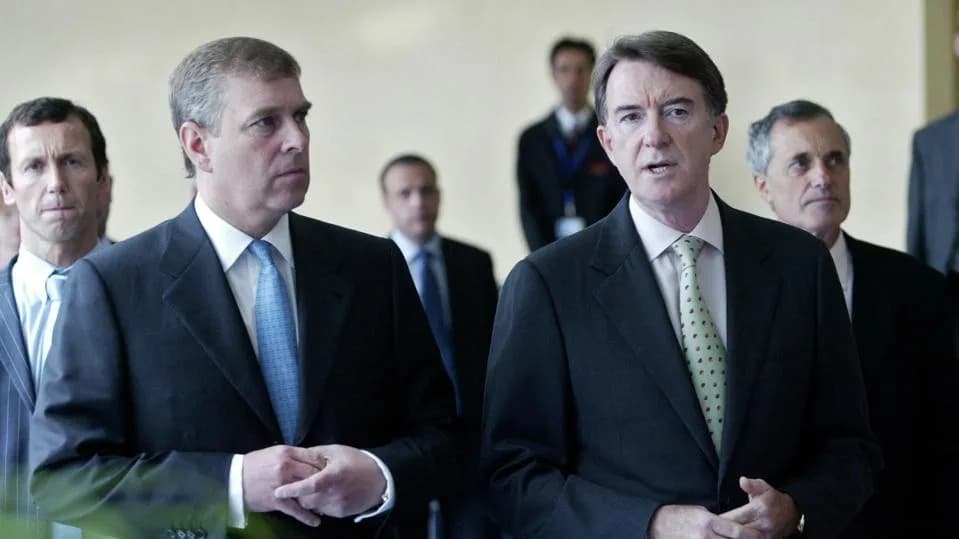
The released records have implicated a number of high-profile figures worldwide. Authorities in the U.K. arrested — and later released — former U.S. ambassador Peter Mandelson and Andrew Mountbatten-Windsor (formerly known as Prince Andrew) in connection with material appearing in the files; no formal charges have been filed. Norway has pursued corruption-related charges against former prime minister Thorbjorn Jagland and other officials, while officials and diplomats in other countries have faced resignations and inquiries. Many named individuals deny wrongdoing.
How these foreign investigations will proceed remains uncertain. Even with cooperation, mutual legal assistance can be slow; without timely U.S. responses, some inquiries risk losing access to evidence or stalling. The broader litigation over unredacted records and redactions continues to shape what material will ultimately be available to foreign and domestic investigators.