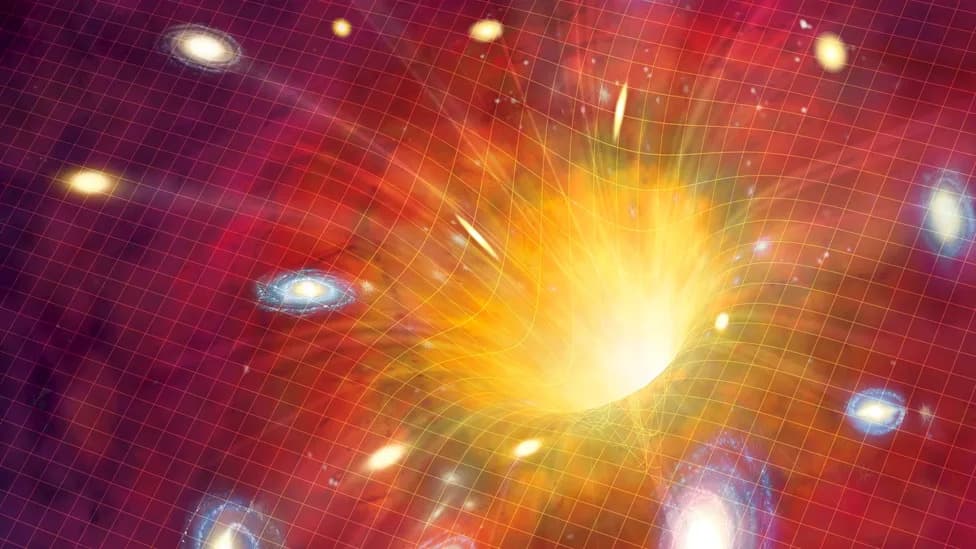
Despite centuries of progress, science still faces deep, unanswered questions that cut across physics, biology, astronomy, and Earth science. This article highlights 14 major mysteries—from dark matter and the Hubble tension to consciousness and the deep ocean—summarizing what is known and what remains uncertain. Solving any of these would profoundly change our view of the universe.
14 of Science’s Biggest Unsolved Mysteries — Questions That Could Change Our View of Reality
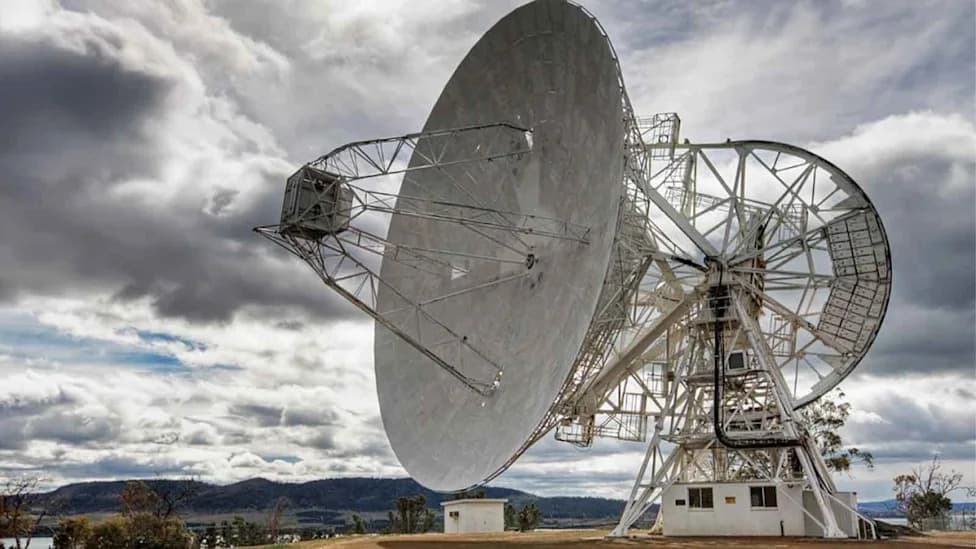
14 of Science's Biggest Mysteries We're Still Trying to Figure Out
Human knowledge has advanced dramatically, but many foundational questions about nature remain unresolved. Below are fourteen major scientific mysteries that researchers worldwide continue to investigate. Each entry summarizes what we know, what remains uncertain, and why the question matters.
Wikimedia Commons
1. Dark Matter
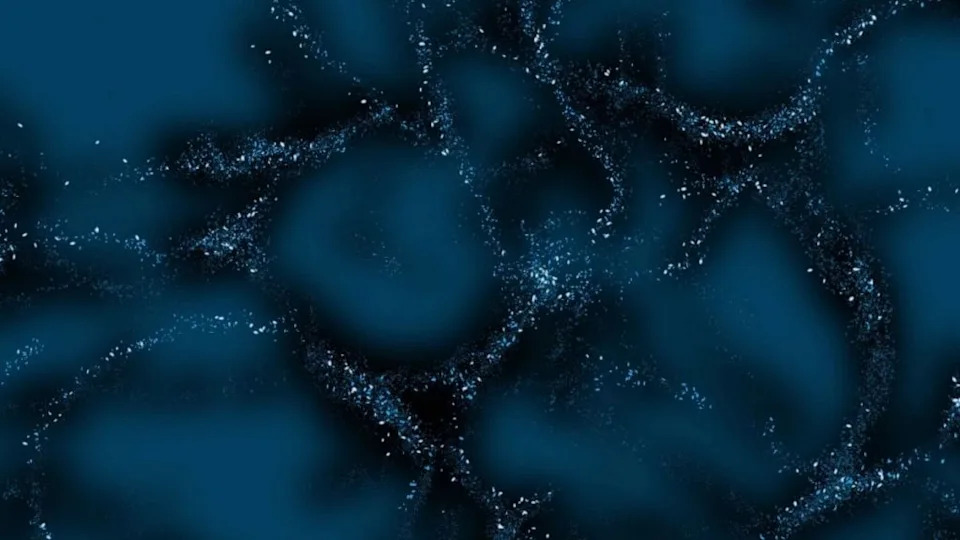
Observations of galaxies and galaxy clusters show gravitational effects that visible matter cannot explain. Astronomers estimate dark matter makes up roughly 27% of the universe's energy–mass budget, yet it does not emit, absorb, or reflect detectable light. Its composition—whether a new particle, a collection of objects, or a modification of gravity—remains unknown.
Wikimedia Commons
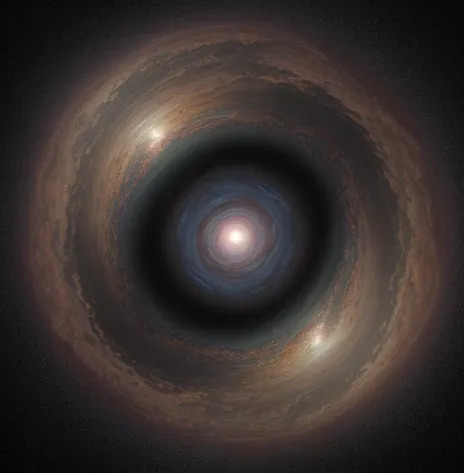
2. The Hubble Tension
Different methods for measuring the universe's expansion rate (the Hubble constant) give conflicting results. Local measurements using supernovae and Cepheid variables tend to yield a higher rate than values inferred from the cosmic microwave background. The discrepancy has persisted as data have become more precise, suggesting either unrecognized measurement systematics or new physics beyond the standard cosmological model.
Wikimedia Commons
3. Matter–Antimatter Asymmetry
The Big Bang should have created matter and antimatter in almost equal amounts, and their mutual annihilation would have left little behind. Yet our observable universe is overwhelmingly matter-dominated. Physicists know an asymmetry exists but have not identified the mechanisms—within or beyond known particle physics—that generated it.

Wikimedia Commons
4. Origin of Life
Researchers have identified many of the chemical ingredients and environments that could have supported life’s emergence, from hydrothermal vents to surface pools. Still, no one has reconstructed the complete transition from nonliving chemistry to the first self-sustaining, evolvable biological systems. The precise pathway, timing, and location of life’s origin remain open questions.

IMDb
5. Life Elsewhere
Thousands of exoplanets have been confirmed, including many Earth-sized worlds in temperate orbits. Yet Earth remains the only known planet with life. We do not yet know whether life is common across the galaxy, rare, or unique to our planet—an answer that would have profound implications for biology and philosophy.

Wikimedia Commons
6. Consciousness
Neuroscience can correlate brain activity with perception, behavior, and cognition, but explaining how physical processes generate subjective experience — the feeling of being conscious — is still a profound challenge. A complete, testable theory that links neurons, circuits, and subjective awareness is not yet established.

Unsplash
7. Aging
Biologists have identified numerous processes linked to aging, including cellular senescence, telomere shortening, DNA damage, metabolic shifts, and immune changes. However, aging is a complex, multi-factorial process, and researchers are still working to understand how these mechanisms interact and whether there are effective interventions to slow, halt, or reverse the aging trajectory.

Wikimedia Commons
8. Quantum Gravity
General relativity describes gravity on large scales, and quantum mechanics governs the microscopic realm. Unifying these two frameworks into a single, experimentally supported theory of quantum gravity remains one of physics’ most difficult open problems. Proposed approaches include string theory, loop quantum gravity, and emergent spacetime ideas, but none yet yield definitive, testable predictions corroborated by experiment.
Wikimedia Commons
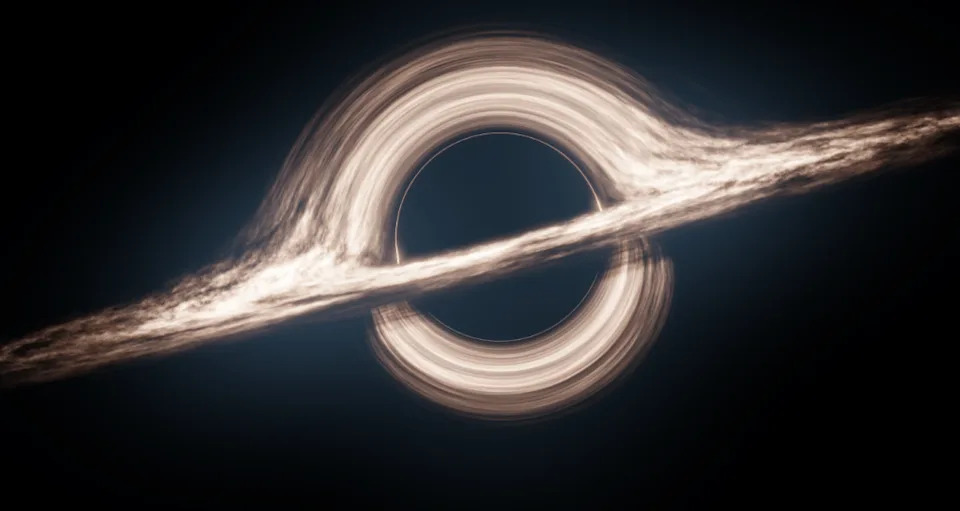
9. What Happens Inside Black Holes?
Black holes are well studied through their external effects, gravitational waves, and horizon-scale imaging, but the environment beyond the event horizon is inaccessible to direct observation. Fundamental questions remain about singularities, information loss, and the ultimate fate of matter that falls in.
Wikimedia Commons
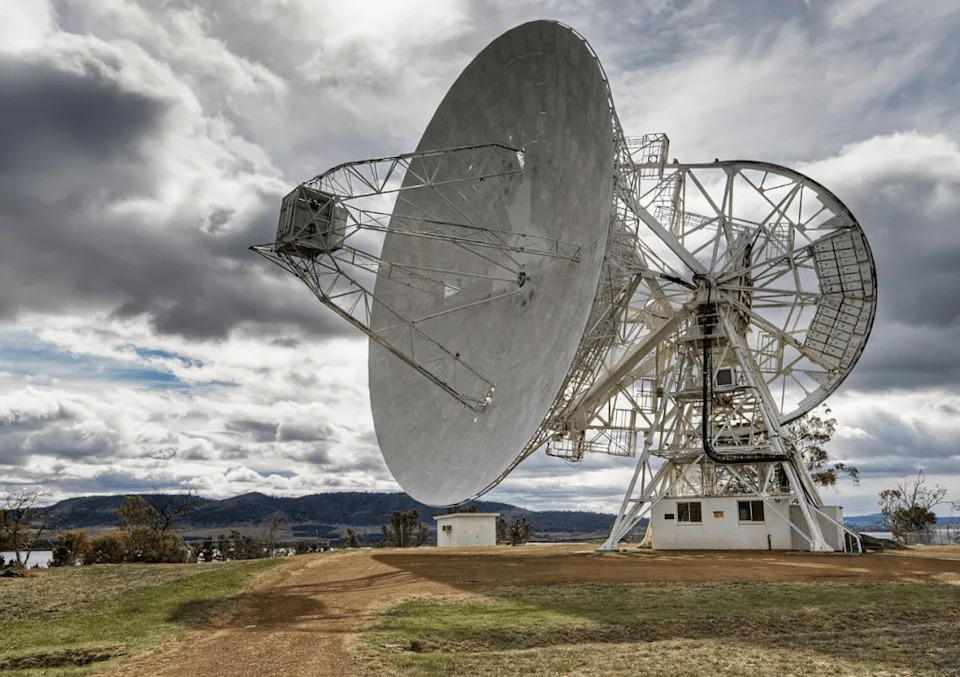
10. Fast Radio Bursts (FRBs)
FRBs are millisecond-long bursts of radio energy originating from distant galaxies. Some have been traced to magnetars and other astrophysical sources, but the population is diverse and not fully explained. Scientists are still working to determine whether all FRBs share similar origins and what physical processes produce their extreme properties.

Wikimedia Commons
11. Neutrino Properties
Neutrinos are extremely abundant, electrically neutral particles with tiny masses that interact weakly with matter and can oscillate between three known flavors. Outstanding questions include the absolute neutrino mass scale, the ordering of masses (hierarchy), whether neutrinos are Majorana particles (their own antiparticles), and whether additional, sterile neutrino species exist.
Wikimedia Commons
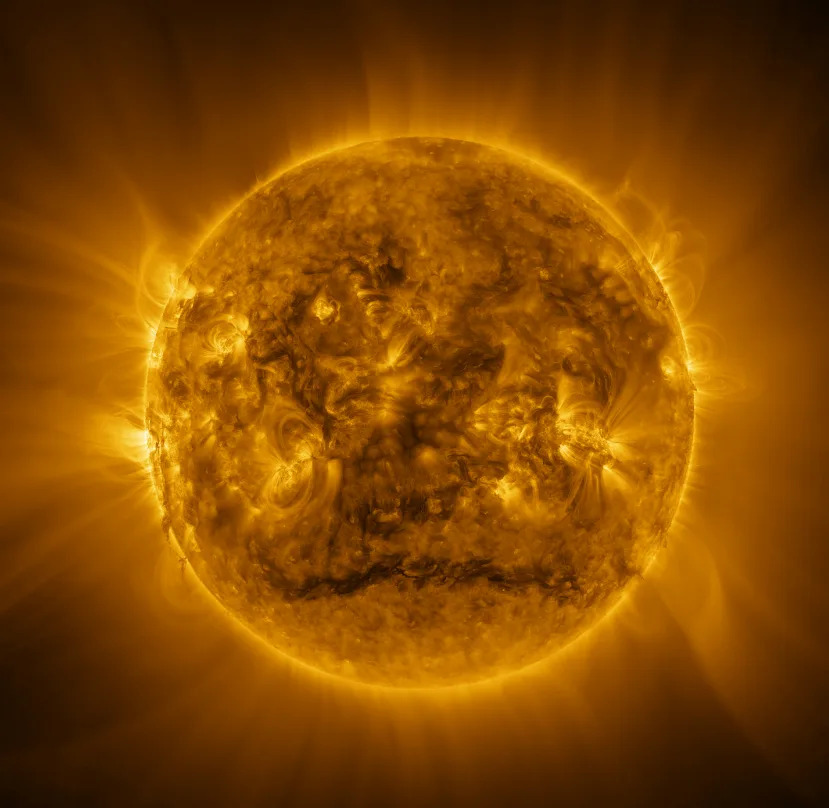
12. Solar Coronal Heating
The Sun’s surface temperature is about 10,000°F, yet its outer atmosphere—the corona—reaches millions of degrees. Proposed explanations include wave heating and small-scale magnetic reconnection events, but the dominant mechanism (or combination of mechanisms) that sustains the corona’s extreme temperature is not fully agreed upon.

Wikimedia Commons
13. Earthquake Prediction
Seismologists can estimate earthquake probabilities for regions over long time windows, but reliably predicting the exact time, location, and magnitude of an individual quake remains beyond current capabilities. Understanding the complex, non-linear processes of fault rupture and stress transfer is essential for any breakthrough in precise prediction.

Wikimedia Commons
14. Deep Ocean Unknowns
More than 90% of the ocean’s volume lies in the deep sea, and scientists have directly surveyed far less than 0.001% of the deep-ocean seafloor. Vast regions remain unexplored and could contain unknown species, unique ecosystems, and geological features that inform biology, climate science, and Earth history.
Why These Questions Matter: Solving any of these puzzles would reshape our understanding of physics, life, and planetary processes. They span scales from subatomic particles to the cosmos and from individual minds to the unexplored depths of Earth’s oceans, illustrating how much remains to be discovered.
Help us improve.