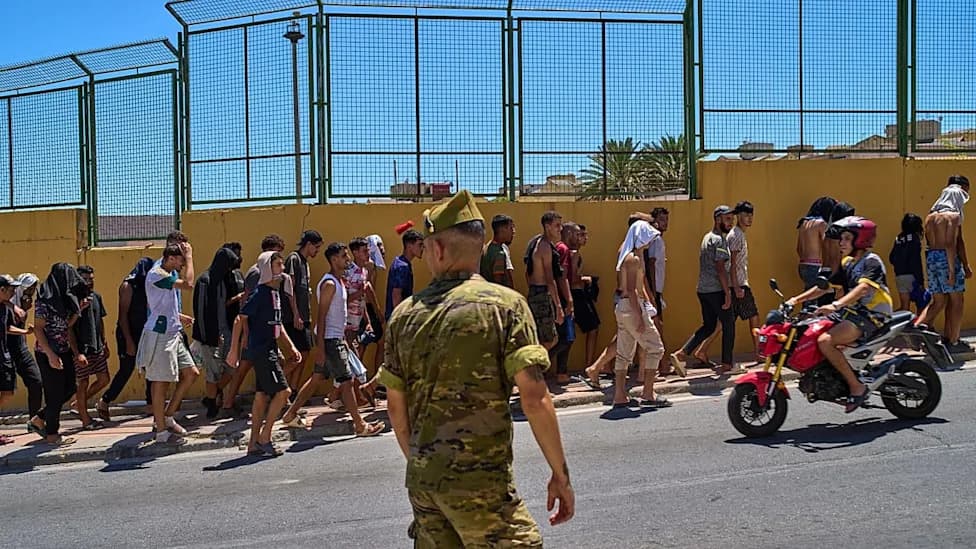
Spanish police and the Civil Guard began clearing El Trampolín beach in Ceuta and relocating migrants to temporary reception centres that can initially house 1,800 people, with capacity to expand. Local reports said about 4,000 people had been sleeping on the beach after a late-July influx from Morocco that official counts say left at least 90 dead. Thousands have returned to Morocco, but many—including unaccompanied children—remain; Madrid will transfer 500 unaccompanied girls to the mainland. Authorities say the operation will also allow the beach to be cleaned and cordoned off to prevent new camps.
Spain Begins Relocating Migrants From Ceuta Beach to Temporary Shelters
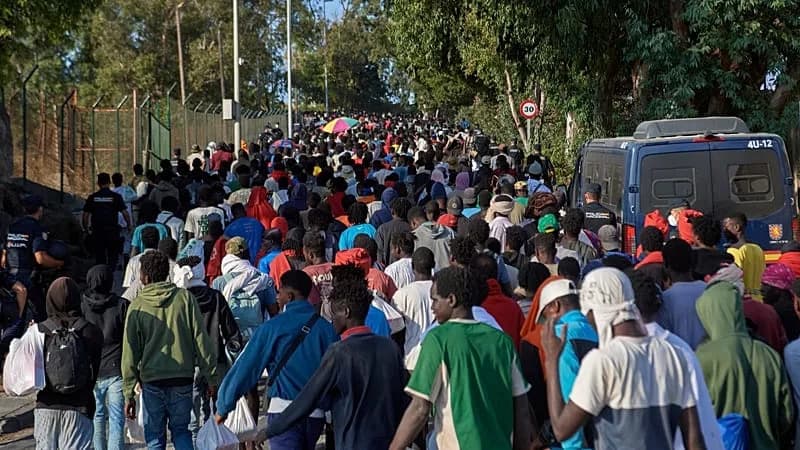
Spanish authorities begin relocating migrants from Ceuta beach to temporary shelters
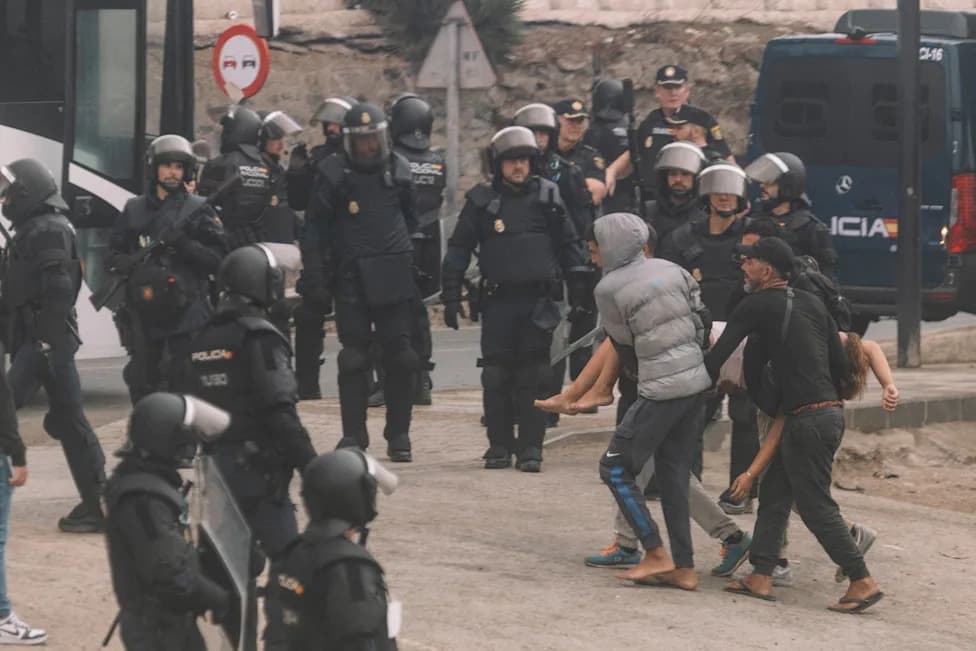
Spanish National Police and the Civil Guard launched a large-scale operation early on Thursday to move migrants from El Trampolín beach in Ceuta into temporary reception centres, authorities said.
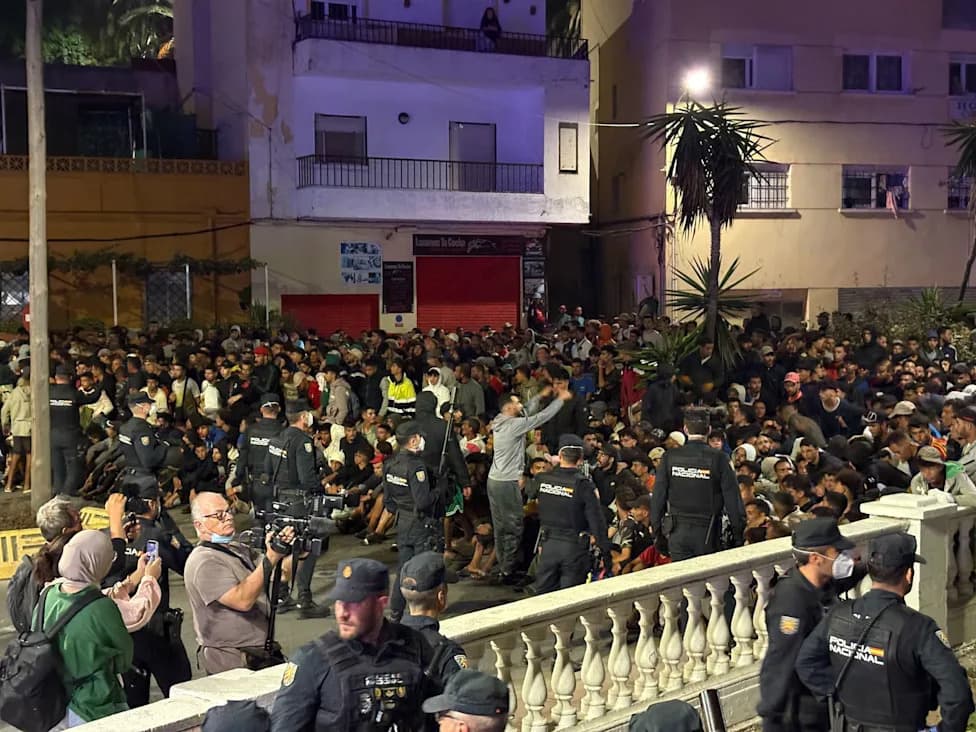
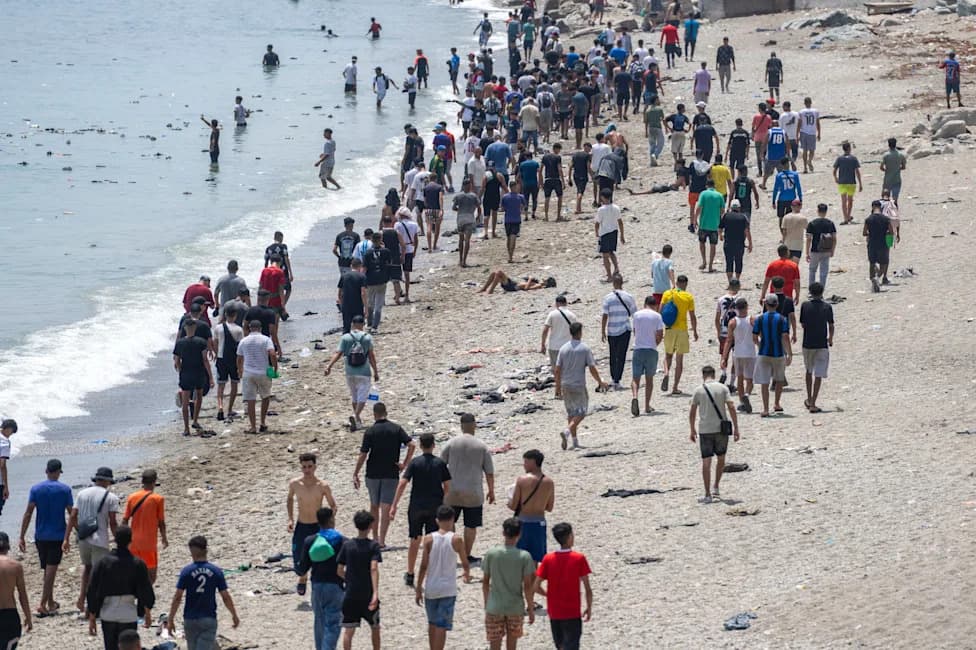
The government announced facilities to house an initial 1,800 people in the Spanish enclave, with plans to expand capacity as additional spaces are adapted. Local outlets reported that roughly 4,000 people had been sleeping on the beach following a late-July surge of arrivals from Morocco.
Spain's migration ministry described the new sites as "temporary reception facilities" that will be expanded progressively while other planned spaces are prepared.
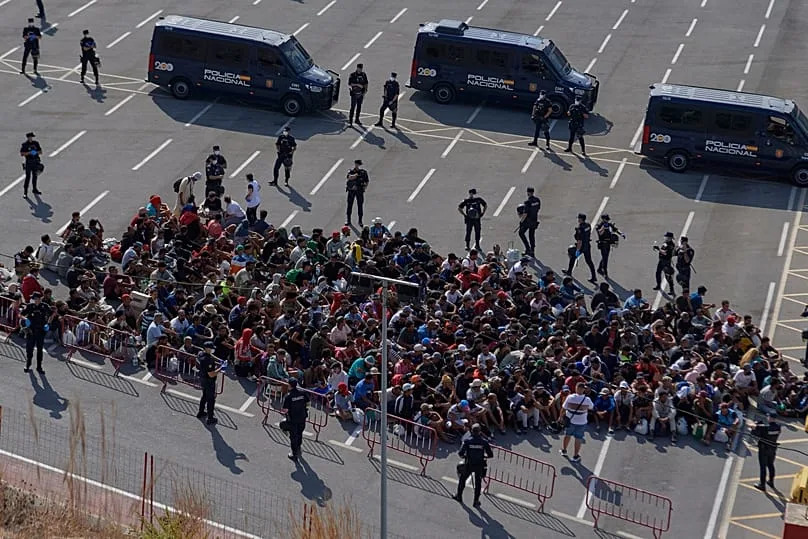
Migrants who crossed from Morocco into Spain are escorted by Spanish police to temporary shelters after being cleared from a beach in Ceuta, 20 August, 2026 - AP Photo
Migration Ministry: "These are temporary reception facilities that will be expanded progressively as adaptation work on other planned spaces is completed."
The operation follows a late-July episode in which tens of thousands of migrants crossed from Morocco into Ceuta. According to official counts, at least 90 people died on both sides of the border during the crossings, though human rights organisations say the toll may be higher.
Most of those who breached the border have since returned to Morocco, but thousands remain in Ceuta, including unaccompanied children. NGOs warn that women, girls and unaccompanied minors are especially vulnerable in the current conditions.
In a change of policy, Madrid has said it will transfer 500 unaccompanied migrant girls who arrived in Ceuta to the Spanish mainland. That decision departs from the European Union's general position, which has favoured returning unaccompanied minors to Morocco.
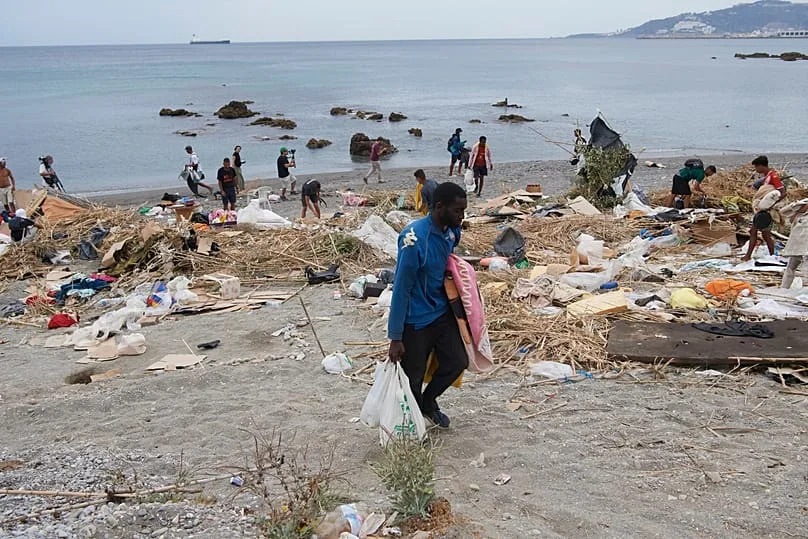
Migrants who crossed from Morocco into Spain gather their belongings after being cleared from the beach in Ceuta, 20 August, 2026 - AP Photo
Conditions for those remaining in Ceuta have deteriorated: many are sleeping in improvised camps and rely on humanitarian groups for food, water and basic supplies. Local services and charities report people struggling to access adequate shelter and sanitation as the enclave's resources are stretched.
Operation Goals and Next Steps
Authorities say the clearance aims to provide safer, more sanitary accommodation for people who had been forced to sleep on the sand or in public spaces. Once the beach has been cleared, municipal teams are expected to clean the area and it will be cordoned off to discourage the re-establishment of another makeshift camp.
The situation highlights ongoing migration pressures across the region, where many people travel through Morocco seeking routes into Europe amid conflict, poverty and instability in parts of Africa.
Help us improve.