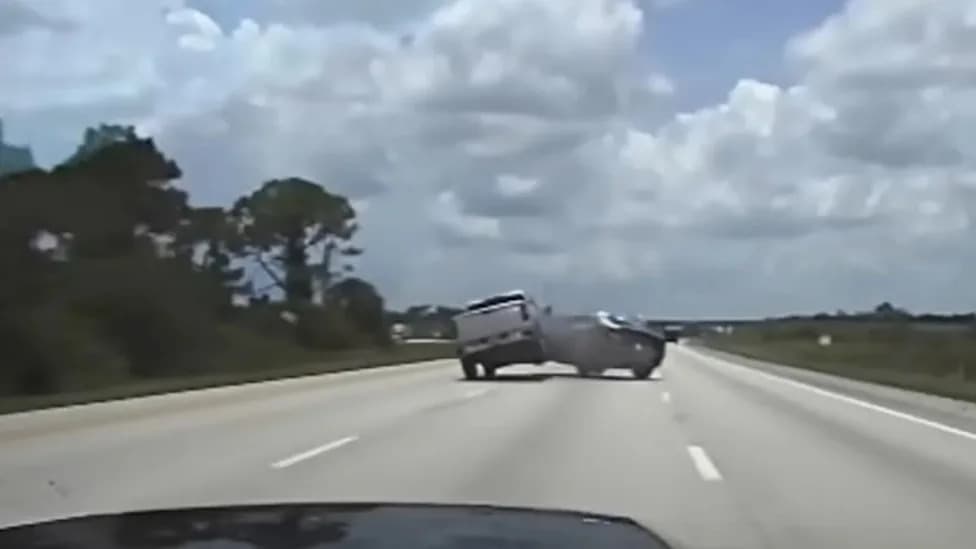
The Florida Highway Patrol stopped off-duty Brevard County Deputy Michael Fultz on Feb. 9 after radar showed his motorcycle at 111 mph, but Trooper Joshua Provencher issued a civil citation for 74 mph instead of making a custodial arrest. Provencher told a sergeant he wanted to "avoid the 10-15," and investigators later concluded the conditions met the state’s Dangerous Excessive Speeding statute. Fultz paid $155, lacked a motorcycle endorsement, and resigned in May amid a wider probe.
Clocked at 111 MPH, Deputy Avoids Arrest After Trooper Records Lower Speed on Ticket
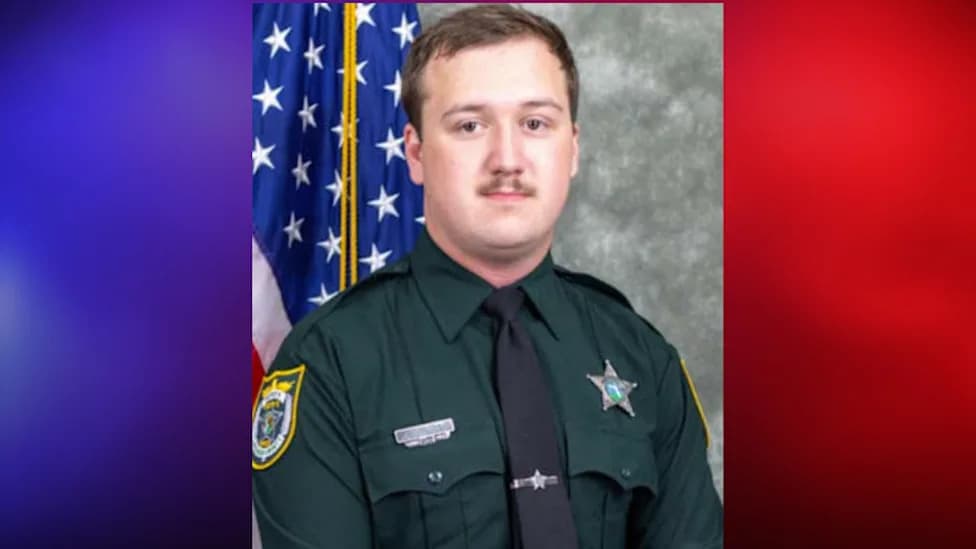
Image Credit: ClickOrlando / Facebook.
An off-duty Brevard County deputy was clocked at 111 mph on U.S. 192 on Feb. 9 but left the scene without a custodial arrest after a Florida Highway Patrol trooper issued a much milder citation, video and records obtained by News 6 show.
What Happened
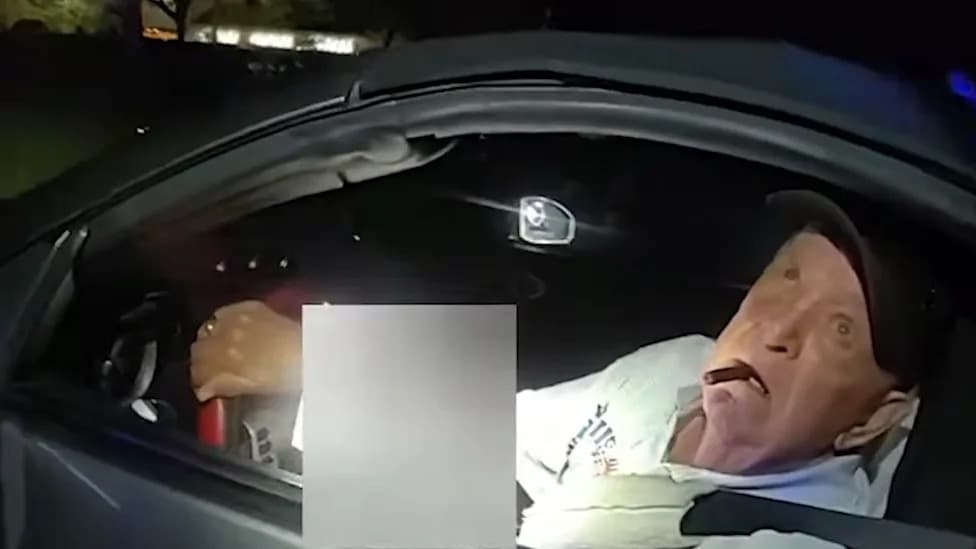
Trooper Joshua Provencher, running radar, detected a motorcycle traveling at a high rate of speed in the opposite direction and said on the recording, "He's going to jail," as he made a U-turn to pursue the rider. After stopping the motorcycle, Provencher announced the radar reading: "111. And you were increasing. Tell me why I shouldn't take you to jail?"
The rider apologized and produced a license. When Provencher asked his identity, the motorcyclist replied, "Fultz. Sheriff's Office." The trooper's tone shifted immediately: "Dude! Bro! I didn't recognize you! C'mon!" He then returned to his patrol vehicle and called a Florida Highway Patrol sergeant.
"I know this guy. He is a deputy. Just clocked him at 111 out here on 192. Any advice?" Provencher said on the recording. He also added, "If I can avoid the 10-15, I don't want to ruin his job."
Legal Context
Florida's Dangerous Excessive Speeding law, effective July 1, 2025, creates a criminal offense in two situations: driving at least 50 mph above the posted limit, or driving at least 100 mph "in a manner that threatens the safety of other persons or property or interferes with the operation of any vehicle." A first conviction can carry up to 30 days in jail, a $500 fine, or both.
Fultz's 111 mph in a 65 mph zone equaled 46 mph over the limit, short of the 50-mph-over threshold. However, because prosecutors or investigators can apply the 100-mph provision only when the driving also threatens safety or interferes with traffic, the surrounding circumstances matter. News 6 reported that Brevard County Sheriff's Office investigators later concluded Fultz's speed and the traffic conditions met the statute's criminal standard, and that Fultz admitted the speed violated the law.
Ticketing And Aftermath
After consulting his supervisor, Provencher returned and told Fultz he would not arrest him: "I already spoke to my sergeant, and he's giving me full leeway on it. He's like, 'It's up to you.'" Provencher wrote a civil citation listing Fultz at 74 mph in a 65-mph zone, though the narrative portion of the ticket reportedly still noted the motorcycle "was clocked at 111." Provencher told Fultz, "If you weren't doing 111 miles an hour, I wouldn't write the damn ticket."
The reduced recorded speed had practical consequences: Florida drivers cited for at least 30 mph over the limit must appear at a mandatory hearing. A 74-in-65 citation did not trigger that requirement. Court records cited by News 6 show Fultz later paid $155 in fines and late fees.
Records reviewed by News 6 also indicate Fultz did not have the required motorcycle endorsement on his driver's license; the trooper did not cite him for the missing endorsement, and there is no indication the motorcycle was impounded.
Investigation, Reaction And Employment Outcome
The full circumstances of the stop surfaced during a broader internal review of Fultz. Investigators found he had been stopped at least four times by other agencies over a two-month period while riding off duty and had failed to report those stops as required by department policy. There is no record that any action was taken related to the Feb. 9 stop before Fultz was named Brevard County's 2025 Deputy of the Year in March.
Fultz resigned in May as Sheriff Wayne Ivey prepared to fire him following an administrative investigation into multiple allegations of misconduct. Fultz later apologized to News 6 for the embarrassment his actions caused while disputing some findings in the investigation.
Public reaction focused on whether Fultz received preferential treatment. Commenters and advocacy voices noted that while the statute authorized officers to make a custodial arrest for qualifying offenses, it did not require arrest in every case — leaving room for discretion. The central unresolved question remains why Provencher exercised that discretion here after initially saying the rider "was going to jail." News 6 reported the Florida Highway Patrol did not respond to requests about whether it conducted an internal review of the stop or how it would address concerns about special treatment.
Why this matters: The episode raises questions about consistency in enforcement of a recently enacted law designed to deter extremely reckless speeding, and about how officer discretion is used when fellow law-enforcement personnel are involved.
Help us improve.