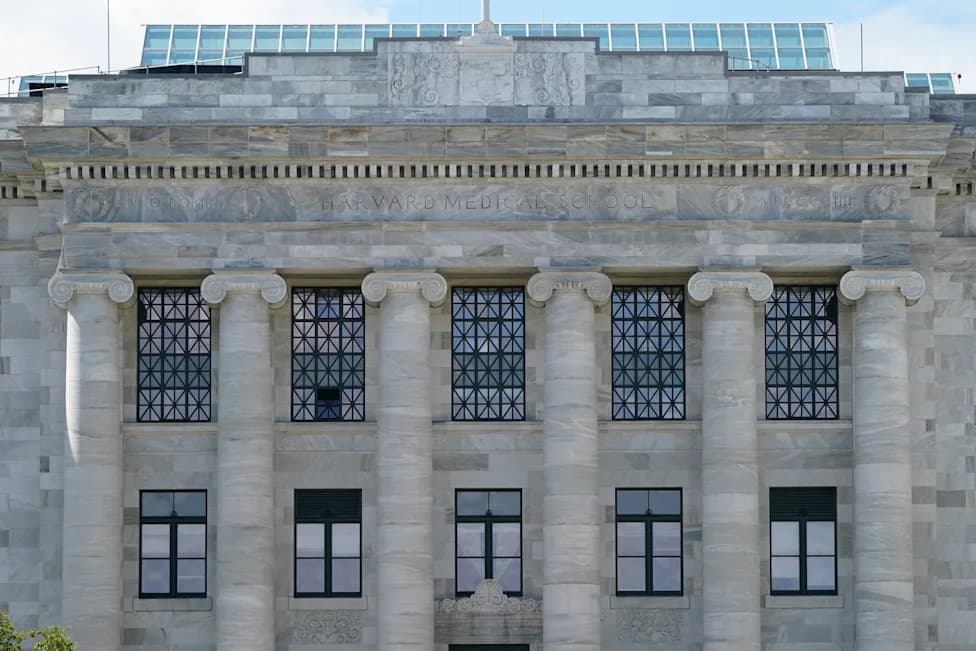
Harvard has agreed to a $53 million settlement with families whose donated remains were allegedly stolen from the Harvard Medical School morgue and trafficked on the black market. The criminal scheme—centered on longtime morgue manager Cedric Lodge—allegedly ran from 2018 to 2022; Lodge pleaded guilty and was sentenced to eight years, while his wife received one year. The Massachusetts Supreme Judicial Court ruled Harvard failed to act in good faith, allowing lawsuits to proceed. In addition to financial compensation, Harvard will publish security improvements, issue formal condemnations and create an annual scholarship to honor donors.
Harvard Agrees to $53 Million Settlement After Donated Remains Were Stolen and Sold
Harvard University and Logo displayed on a sign board
Harvard University has agreed to pay $53 million to resolve multiple civil lawsuits brought by families whose loved ones donated their bodies to science but later learned those remains were removed from the Harvard Medical School morgue and sold on the black market.
What Happened
Federal prosecutors say the scheme was uncovered in 2023 and centered on Cedric Lodge, who managed the Harvard Medical School morgue for nearly 30 years. Rather than arranging for the dignified cremation of remains after research use, prosecutors allege Lodge removed organs, skin, brains and faces from donated cadavers and transported some tissues from Harvard’s Boston campus to his home in New Hampshire.
How the Operation Worked
According to investigators, Lodge and his wife packaged and shipped stolen body parts to buyers in Pennsylvania and other states. The couple reportedly operated the illicit network from 2018 through 2022 without the knowledge or consent of the university, donors or donor families.
Criminal Sentences and Related Prosecutions
Lodge pleaded guilty to criminal charges and was sentenced in December to eight years in federal prison. His wife pleaded guilty to a role in the conspiracy and received a one-year term. Prosecutors say seven other people who purchased remains from the former morgue manager have also pleaded guilty and received prison sentences in related cases.
Civil Litigation and Court Rulings
Dozens of donor families filed suits alleging gross negligence and a failure by Harvard to supervise its morgue staff. A trial court initially dismissed those claims under the Uniform Anatomical Gift Act, but the Massachusetts Supreme Judicial Court reversed that decision late last year. The state’s high court concluded Harvard did not act in good faith and cited extraordinary lapses in oversight, clearing the way for the recent settlement.
Settlement Terms and Nonfinancial Commitments
The $53 million class-action settlement, which received preliminary approval, is intended to provide compensation and closure for affected families while avoiding protracted litigation. In addition to monetary relief, Harvard has agreed to several nonfinancial measures:
- Provide affected families with a formal statement condemning the criminal acts.
- Publish a summary of significant security upgrades to its Anatomical Gift Program, based on recommendations from outside experts.
- Establish an annual financial aid scholarship at Harvard Medical School to honor anatomical donors.
Institutional Response
Deans George Daley and Bernard Chang issued a joint statement expressing sorrow and sympathy for the affected families and stressing that the conduct of the former employee did not reflect the institution’s values. Harvard says the settlement will let both the university and plaintiffs focus on healing and support rather than extended litigation.
Broader Impact: The scandal has shaken public trust in anatomical donation programs nationwide and prompted calls for stronger oversight and clearer safeguards to protect donors and their families.
Although the criminal sentences and civil settlement represent significant steps toward accountability, many families will likely continue to cope with lasting emotional harm. The case has renewed discussion about whether stricter, possibly national, regulations are needed to ensure the integrity of donation programs and prevent similar abuses.
Help us improve.