The Myanmar military has deployed hundreds of troops to clear land for the Russia-backed Dawei Special Economic Zone, with resistance groups reporting burned villages and the killing of three aid workers. The offensive — reportedly aided by air and naval strikes and involving roughly 700 troops — follows a high-level push to revive Dawei as an alternative shipping route to the Strait of Malacca. Russia has expressed interest in investing, but analysts warn security risks are high and that verification of some claims remains limited. The campaign forms part of a broader effort by the junta to reclaim territory lost since the 2021 coup.
Myanmar Offensive Clears Land for Russia-Backed Dawei Port; Villages Burned and Aid Workers Killed

Russian President Vladimir Putin welcomes Myanmar President Min Aung Hlaing at the Grand Kremlin Palace in Moscow, Russia, August 18, 2026. Alexander Zemlianichenko/Pool via REUTERS
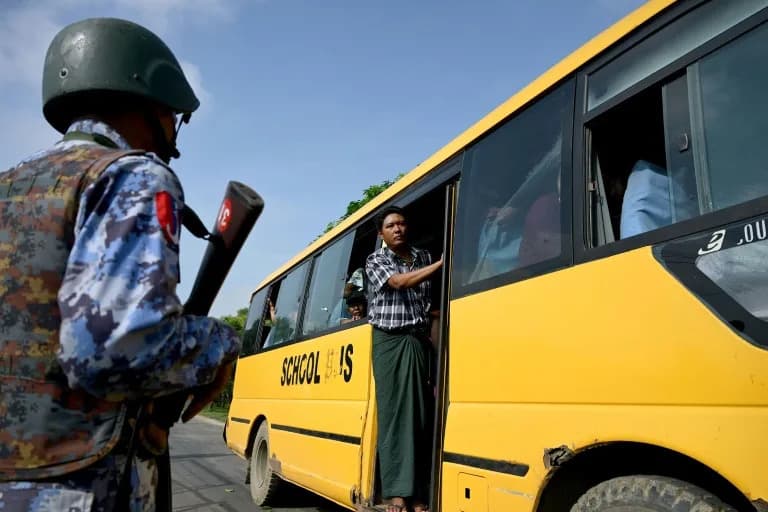
Myanmar's armed forces have deployed hundreds of troops into the country's southern Tanintharyi Region to clear land earmarked for the Russia-backed Dawei Special Economic Zone (SEZ), resistance fighters and a local activist told Reuters. The operation around the proposed deep-sea port and power plant on the Andaman Sea has included village burnings, sealing off surrounding areas and clashes with local defence groups, according to multiple sources.
Military Push to Secure Strategic Project
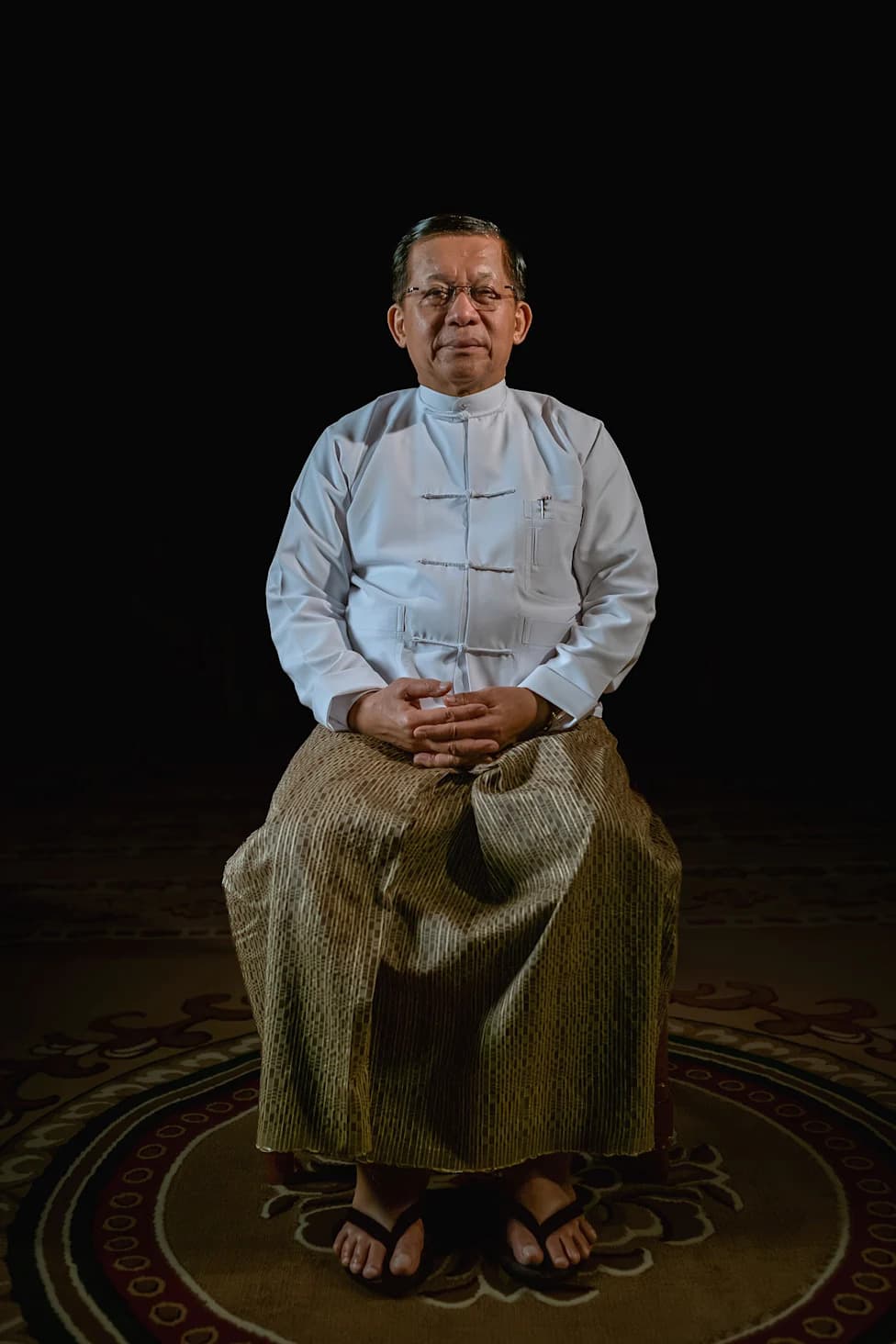
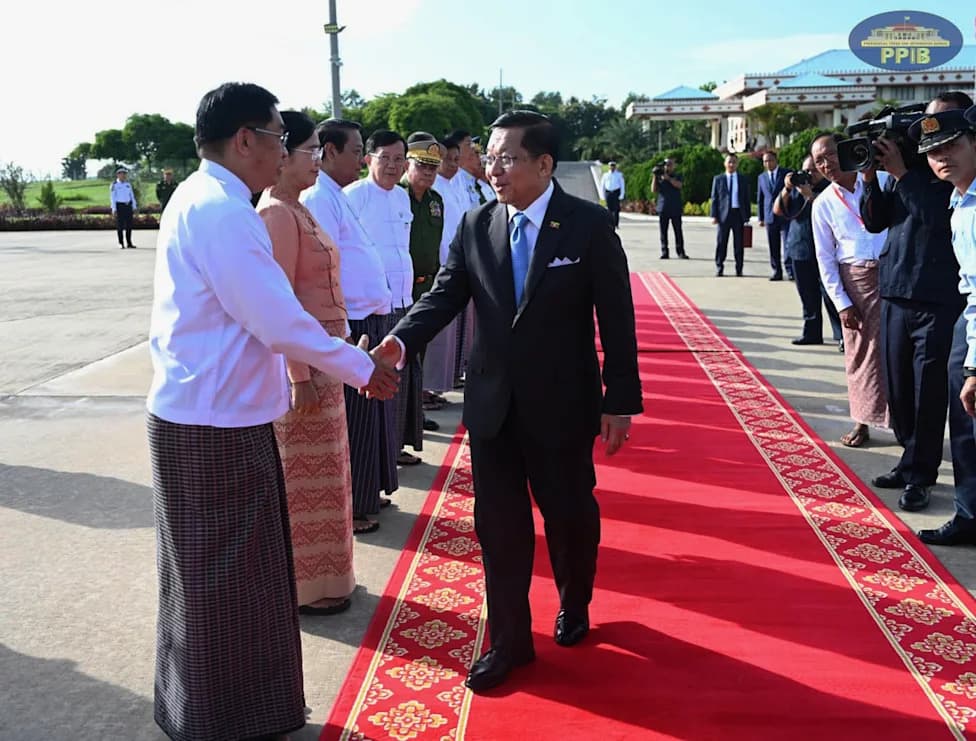
The offensive — which sources say began intensifying in July after a late-June visit by Armed Forces Deputy Chief Kyaw Swar Lin — appears tied to the junta's drive to revive Dawei as a strategic alternative to the Strait of Malacca. Junta chief-turned-President Min Aung Hlaing has promoted the project during diplomatic visits, including to Thailand and in recent talks with Russian President Vladimir Putin in Moscow.
"The military is advancing its columns and conducting area-clearance operations. Some villages and homes have been burned down," said Saw Dah Ko of the Tanintharyi Region People's Defence Force.
Resistance fighters aligned with the shadow National Unity Government reported that troops set fire to houses in at least three villages and said three aid workers supporting displaced communities were detained and killed after encountering an advancing military column in Yebyu Township on July 9, a claim also made by local civil society group MAGGA Initiative. Reuters could not independently verify these specific accounts, and the Myanmar government and Russia's embassy did not respond to requests for comment.
Scale, Tactics and Local Impact
Conflict monitors and analysts report that roughly 700 soldiers have advanced into areas around Dawei, carrying out raids and, in some cases, killing civilians, according to an August ACLED report. Sources describe the offensive as supported at times by air and naval strikes that have overwhelmed loosely organised local resistance forces, prompting civilian displacement and heightened insecurity across the proposed project footprint.
The Dawei push is part of a broader military strategy to reclaim territory and border zones lost to opposition groups since a 2021 coup that triggered a civil war. Analysts estimate the conflict has caused around 100,000 deaths and displaced more than 3.5 million people. The military subsequently staged a widely criticised election that cleared the way for Min Aung Hlaing to assume the presidency.
Geopolitical and Economic Stakes
First launched in 2008 as a Thai-Myanmar joint venture, the Dawei SEZ aims to host a deep-sea port, industrial zones and a power plant to speed trade between Southeast Asia and destinations in South, West and East Asia. Work stalled in 2013 amid local opposition and funding problems. Myanmar's current authorities are now pursuing new partners, and Russian officials have signalled interest: Russian Prime Minister Mikhail Mishustin said Russian firms intend to participate, citing potential jobs and trade gains.
Tanintharyi officials have argued the Dawei route could cut shipping time by four to six days compared with the Strait of Malacca and pointed to the SEZ's proximity — roughly 45 km — to major offshore gas fields. Observers warn, however, that security risks remain very high and that any investment would likely need secure overland connectivity through Thailand to be commercially viable.
Human Cost and Outlook
Conflicts over Dawei highlight the intersection of infrastructure ambition, regional geopolitics and a brutal domestic war. As the junta seeks to secure strategic assets, local communities and humanitarian workers continue to bear the human cost. Independent verification of many on-the-ground claims remains limited, and the situation is fluid as both diplomatic outreach and military operations continue.
Reporting by Reuters and Panu Wongcha-um; editing and synthesis by an independent editor. Some field claims remain unverified by Reuters.
Help us improve.