JAXA will launch the unmanned MMX mission on October 20 aboard the H3 rocket from Tanegashima. The spacecraft will spend about three years at Mars, attempt to land on Phobos to collect at least 10 grams of material, and deploy the IDEFIX rover for surface observations. MMX will also observe Deimos from orbit and aims to return a sample capsule to Australia in 2031, while testing technologies to use Phobos as a staging point for future crewed Mars missions.
Japan To Launch MMX To Mars' Moons On Oct. 20 — Phobos Landing And Sample Return Planned

Japan's unmanned Martian Moons eXploration probe may help unlock the origins of the Solar System and life on Earth (Yuichi YAMAZAKI)
Japan's ambitious Martian Moons eXploration (MMX) mission is scheduled to launch on October 20, the Japan Aerospace Exploration Agency (JAXA) announced. The unmanned probe — developed in collaboration with U.S. and European space agencies, universities and aerospace companies — aims to land on Phobos, collect surface samples and return them to Earth.
Launch Details: The MMX spacecraft will ride JAXA's flagship H3 rocket from Tanegashima Space Center. Liftoff is scheduled for 4:41 a.m. JST on October 20 (19:41 GMT on October 19).
Mission Profile: MMX is expected to spend roughly three years in the Mars system. The spacecraft will attempt a landing on Phobos, one of Mars' two moons, to collect at least 10 grams (0.35 ounces) of surface material. A return capsule carrying those samples is planned to come back to Earth and land in Australia in 2031.
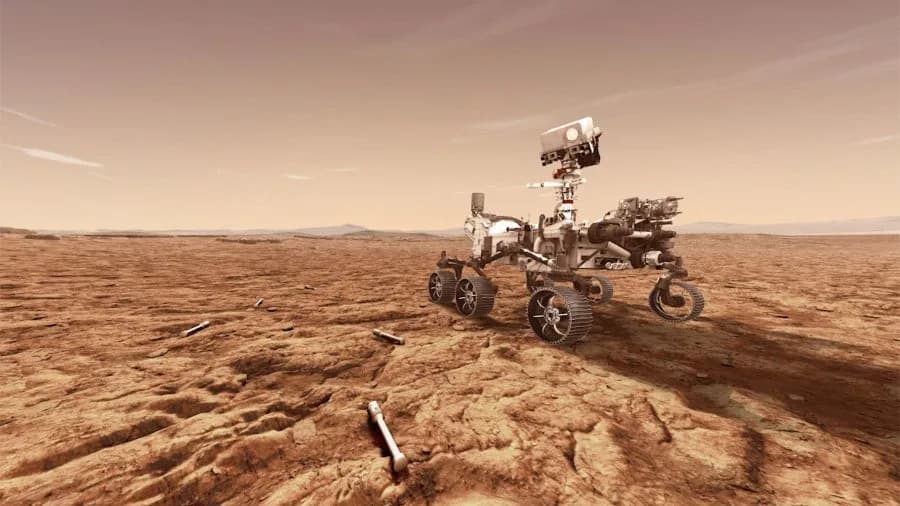
Surface Operations and Observations: The mission will deploy the IDEFIX rover — named after the dog from the French Asterix comics — to perform detailed surface observations on Phobos. MMX will also conduct remote observations of Deimos, Mars' smaller moon, though no landing is planned there.
Scientific and Exploration Goals: JAXA says MMX could shed light on the formation of Mars and its moons, providing clues about the early Solar System and the origins of life on Earth. The mission will also test technologies for using Phobos as a potential "natural space station" or staging point to support future crewed missions to Mars.
MMX represents a major step in robotic sample-return capability and international cooperation in planetary exploration. If successful, the mission will return the first samples from a Martian moon.
Timeline at a Glance: Launch: Oct. 20 (4:41 a.m. JST / 19:41 GMT Oct. 19). Mars operations: ~3 years. Sample return and Earth landing: Planned for 2031 in Australia.
Help us improve.