Summary: Official inquiries into unexplained aerial and space phenomena are shifting the search for life beyond Earth from speculation to formal science and policy. Discoveries could range from microbial life to direct contact with intelligent beings, each with distinct benefits and risks. Potential upsides include breakthroughs in medicine, energy and propulsion; dangers include technological asymmetry, information chaos and geopolitical disputes. Preparation must prioritize scientific humility, transparent verification, international governance and societal resilience.
If We Find Extraterrestrial Life: What Comes Next for Science, Security and Society
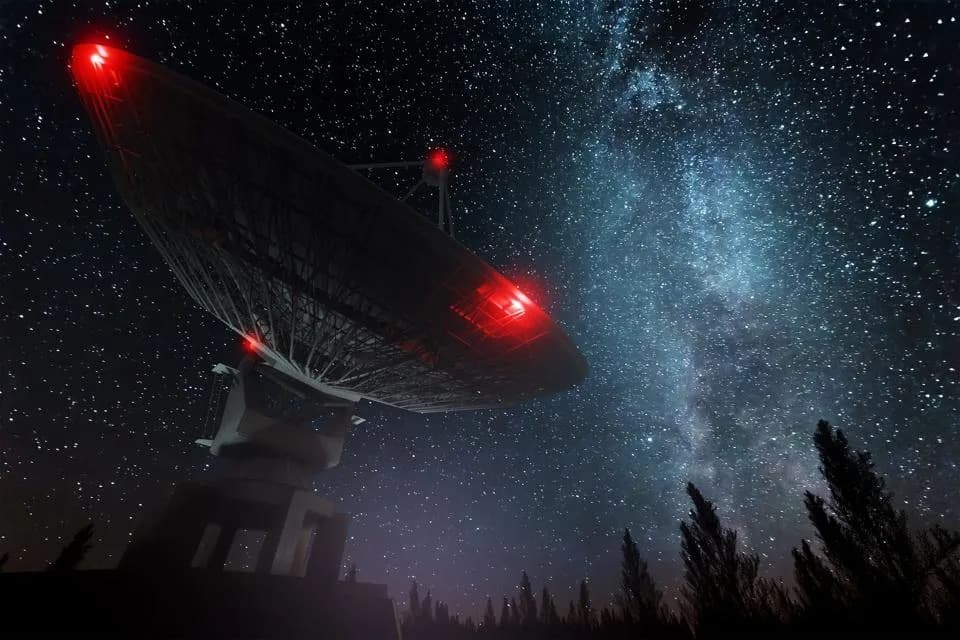
Radio telescope, a large satellite dish against the night sky tracks the stars. Technology concept, search for extraterrestrial life, wiretap of space.getty
For centuries, questions about life beyond Earth lived mainly in philosophy, theology and fiction. Today those questions are shifting into mainstream science, national security and organized risk management as instruments and policy keep pace with possibility.
Why This Moment Matters
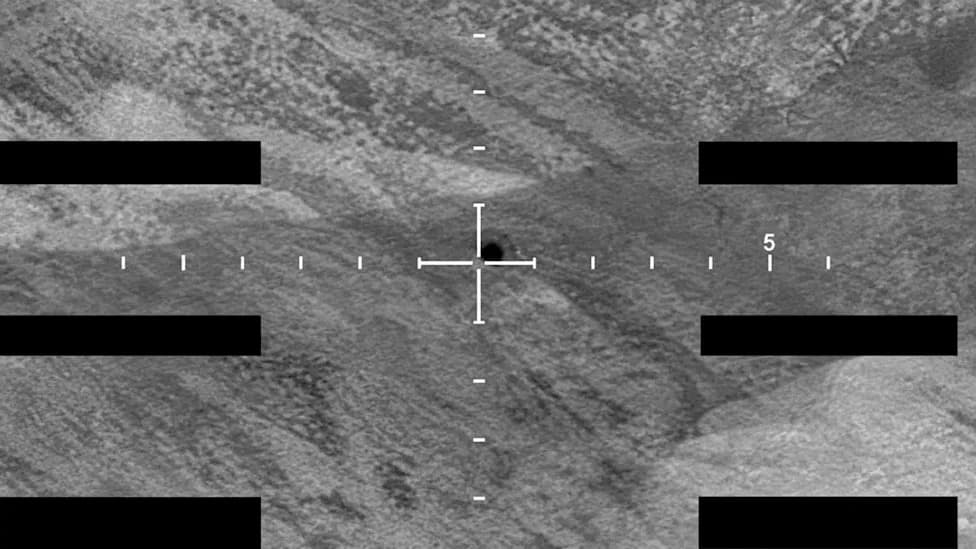
Official interest in unexplained aerial and space phenomena is increasing. NASA has initiated formal studies of unidentified anomalous phenomena (UAP), and U.S. agencies have publicly released and analyzed related data. A White House UAP advisory effort has convened multidisciplinary researchers to assess evidence and methods. These developments mark a transition from speculation to structured inquiry—yet they also raise urgent strategic questions.
Different Discoveries, Different Consequences
Not all discoveries are equal. Finding microbial life on Mars, detecting a biosignature in an exoplanet’s atmosphere, receiving a repeating artificial radio signal, uncovering an artifact, or making direct contact with an intelligent civilization each imply different levels of scientific, social and security impact. Importantly, discovery does not equal disclosure, and disclosure does not equal contact.

Science fiction illustration of an interplanetary spaceship,
Potential Benefits
Knowledge Transfer: An advanced civilization could possess insights accumulated over millennia—new scientific principles, problem-solving approaches, or conceptual frameworks that accelerate human discovery.
Medicine: Even partial understanding of unfamiliar biological mechanisms could transform treatment paradigms—novel approaches to regenerative medicine, cancer, neurological disorders, infectious disease and longevity are conceivable outcomes.
Energy: Breakthroughs in energy generation, storage or transmission would reshape economies and infrastructure. Whether obvious or subtle, such advances could unlock sustained, cleaner power.

Artificial intelligence robot
Transportation and Materials: New propulsion principles, navigation methods and material technologies could expand human access to space and dramatically lower costs and risks of interplanetary travel.
New Principles: Perhaps most valuable would be a new scientific paradigm—an idea or principle that reshapes what we consider feasible, inspiring decades of applied research.
Major Risks
Technological Asymmetry: The greatest danger may not be cinematic invasion but the destructive potential of technologies we cannot defend against—disruption of satellites, communications, energy grids or financial systems without physical confrontation.

UFO and man silhouette
Information Chaos: A credible claim would trigger an immediate flood of photos, videos and purported communications—including expertly made deepfakes. Authentication and rapid verification would be essential to prevent panic, manipulation and geopolitical exploitation.
Biosafety and Biosecurity: Encounters with non‑Earth biology would demand unprecedented containment, testing and ethical protocols to prevent accidental harm or misuse.
Geopolitical and Governance Strain: Questions about ownership, classification, access and who speaks for humanity would arise instantly. Existing legal and diplomatic frameworks are inadequate for many scenarios and would require cooperative international governance.

Artificial intelligence AI robot finger making contact with human hand
How We Should Prepare
Scientific Humility: Expect modest, ambiguous early evidence—chemical anomalies, subtle technosignatures or repeatable but interpretable signals. Rushed conclusions risk error and damage.
Transparency and Authentication: Robust, transparent verification tools and trusted communication channels will be critical to separate genuine evidence from fabrication and to maintain public trust.
Resilience: Strengthening infrastructure, supply chains, cybersecurity, public-health systems and emergency response will help societies absorb, adapt and recover from unexpected shocks.
International Coordination: No single government or corporation should control the response. Scientific communities, national authorities and international bodies must share verification protocols, biosafety standards and governance frameworks.
Conclusion: A Human Story
The discovery of extraterrestrial intelligence would be both a scientific milestone and a profound societal moment. It would challenge religious, philosophical and cultural narratives and force choices about what kind of global society we want to be. The most responsible posture is neither alarmism nor dismissal but careful investigation, transparent communication and resilient preparation.
Bottom line: Whether or not we are alone is no longer the only question—whether we are ready for the answer has become the strategic question.
Help us improve.