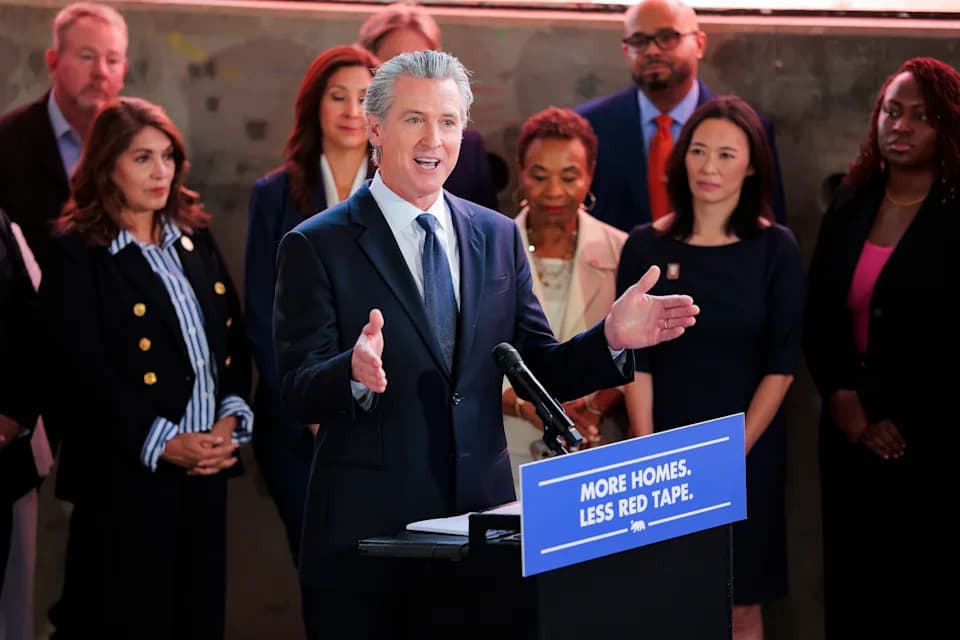
Gov. Gavin Newsom may veto AB 1608, a bill that would give the High-Speed Rail inspector general purchase authority and access to higher-level job classifications needed to hire auditors and outside experts. Newsom's administration already enacted the bill's reporting and limited-confidentiality provisions via a budget trailer bill. Inspector General Ben Belnap says procurement delays and job-classification limits cost his office about $1.15 million and have stalled audits tied to more than $500 million in change-order exposure. The governor's office declined detailed comment; lawmakers and watchdogs urge the remaining provisions be approved to strengthen oversight.
Newsom May Veto Bill Granting More Power To High-Speed Rail Watchdog, Sources Say

Newsom may veto bill giving California high-speed rail watchdog more power, sources say
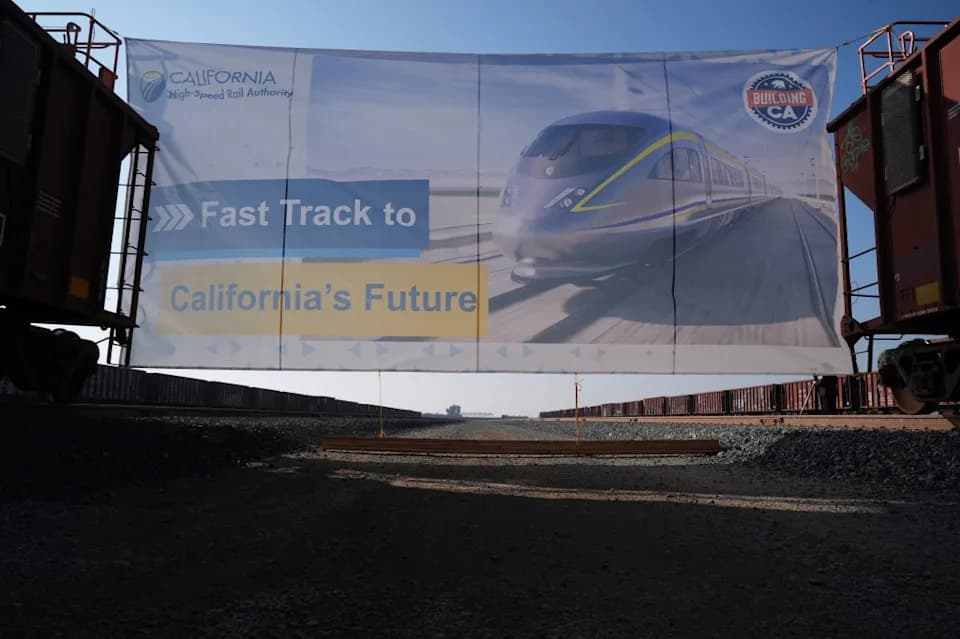
California's ambitious high-speed rail project has long faced delays and rising costs. Now, Gov. Gavin Newsom may veto legislation that would give the independent inspector general overseeing the program additional tools to conduct timely audits and hire qualified staff, according to multiple sources familiar with private discussions between the administration and the Legislature.
What The Bill Would Do
Assembly Bill 1608, authored by Assemblymember Lori Wilson, would grant the High-Speed Rail inspector general immediate purchase authority for contracts up to $1 million and access to higher-level job classifications so the office can recruit experienced auditors and outside experts. Supporters say those powers are essential to run independent, efficient investigations and avoid costly procurement delays.
What Already Became Law
The Newsom administration already enacted two of AB 1608's most debated provisions by attaching them to the state budget as a trailer bill (Senate Bill 169). Those provisions require publication of completed inspector general reports and allow the inspector general to temporarily withhold portions of reports that would reveal security vulnerabilities, pending litigation, or active fraud investigations — while still publicly disclosing that material was withheld and why.
Why The Remaining Provisions Matter
Inspector General Ben Belnap, appointed by Newsom in 2023, says his office lacks the procurement authority and competitive job classifications needed to hire audit staff and buy essential software. He told lawmakers and investigators that the office spent roughly $1.15 million over two years trying to acquire about $300,000 of off-the-shelf software because state approval processes inflated costs and delayed implementation. Belnap says those delays have limited whistleblower protections and stalled promised audits, including a review related to more than $500 million in construction change-order exposure.
Politics And Process
AB 1608 cleared the Senate Appropriations Committee and is reportedly two floor votes short of passing the Legislature as written. Multiple anonymous sources told reporters the governor's office is considering a veto of the remaining sections — the purchase authority and job-classification changes — after enacting the reporting and confidentiality rules through the trailer bill. The governor's office declined to answer detailed questions, citing routine non-comment on pending legislation.
Support And Criticism
The bill's remaining provisions have bipartisan backing from lawmakers and endorsements from the Association of Inspectors General, which says they align with national standards for inspector-general independence. The First Amendment Coalition worked with the bill's author to amend the confidentiality framework and ultimately praised it as a model for balancing confidentiality with public disclosure. Critics labeled the temporary-withholding language "anti-transparency," though supporters note the statute also strengthens mandatory disclosure and notification requirements.
Where Things Stand
Wilson's office says it "stands by AB 1608 in its current form" and is in talks with the governor's office, but it also reports no formal amendment language or veto threat has been delivered. If the remaining provisions fail, Wilson says she will reintroduce them next year. For now, the key unanswered question is why an administration that appointed the inspector general and enacted parts of AB 1608 would oppose granting the specific tools that office says it needs to oversee the governor's signature infrastructure project.
Note: This article draws on documents, legislative records, public testimony and multiple sources familiar with private discussions. The governor's office and other officials were offered opportunities to comment.
Help us improve.