
Iran has filled key military and security vacancies created by wartime losses by promoting long‑serving veterans tied to the 1979 revolution and the Iran‑Iraq War. Major appointments include Ahmad Vahidi as IRGC commander, Mohsen Rezaei as SNSC secretary, Ali Abdollahi as chief of staff and Hossein Taeb returning to lead the Basij. Analysts warn these moves may reflect a shrinking pool of trusted successors and a consolidation of hardline influence that could limit Tehran’s policy flexibility amid rising tensions with the United States.
Iran Rebuilds Military Leadership With Revolution‑Era Loyalists — Risk of a Narrowed Decision Circle
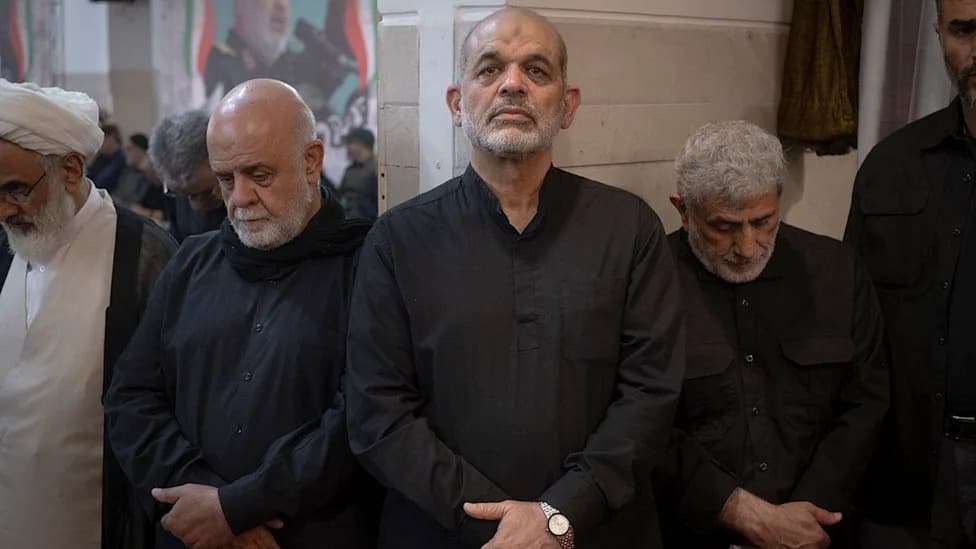
Ahmad Vahidi, commander of the Islamic Revolutionary Guard
Iran is restocking senior positions across its military and security apparatus after the deaths of several top commanders in strikes attributed to the United States and Israel since the war began on Feb. 28. Supreme Leader Mojtaba Khamenei has elevated a group of long‑serving hardliners and veterans whose careers often extend back to the 1979 Islamic Revolution, the Iran‑Iraq War and past domestic crackdowns.
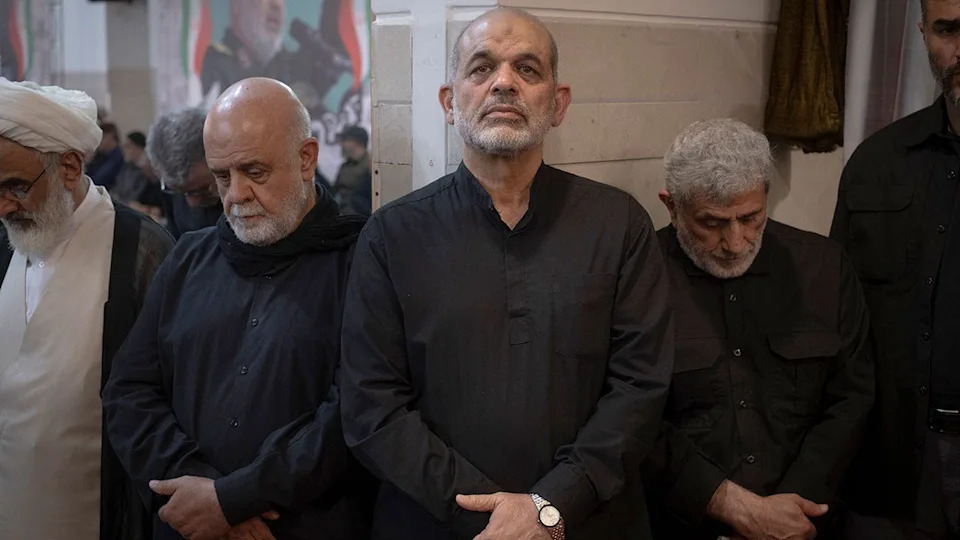
Ahmad Vahidi, commander of the Islamic Revolutionary Guard Corps Quds Force, Esmail Qaani, and Iraj Masjedi, deputy coordinator of the Islamic Revolutionary Guard Corps (IRGC) Quds Force, participate in a ceremony to mark the memory of former IRGC commander, Hossein Salami, who was killed in Israeli attacks, at a mosque in an IRGC organizational house complex in Tehran, Iran, July 25, 2025.
Key Appointments
State media and international reporting in early August confirmed a string of senior promotions: Ahmad Vahidi was made commander‑in‑chief of the Islamic Revolutionary Guard Corps (IRGC) and promoted to major general; Mohsen Rezaei was named secretary of the Supreme National Security Council (SNSC) and Khamenei’s representative; Ali Abdollahi became chief of staff of the Armed Forces; Kioumars Heydari was appointed deputy chief of staff; Mostafa Izadi was named deputy IRGC commander; Ali Ozmaei took command of the IRGC Navy; and Hossein Taeb returned to lead the Basij volunteer force.
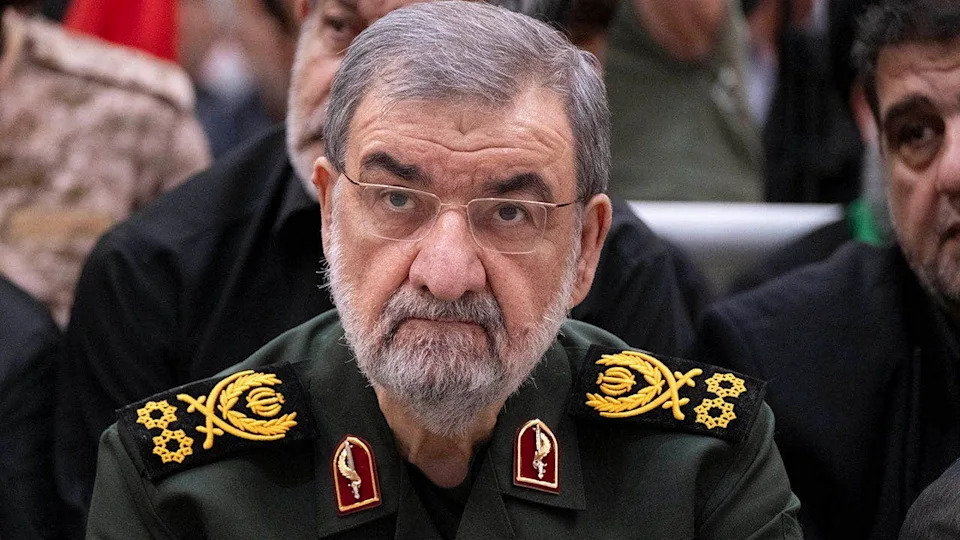
Mohsen Rezaei was named secretary of the Supreme National Security Council. A former Islamic Revolutionary Guard Corps general and member of the Expediency Discernment Council, as well as the secretary of the Supreme Council for Economic Coordination and the Iranian government's Economic Committee, attends a ceremony at Ayatollah Ruhollah Khomeini's shrine in southern Tehran, Iran, on June 4, 2026.
Why These Picks Matter
The personnel changes place experienced, politically tested loyalists at the helm of institutions that shape Iran’s external operations, internal security and wartime command. Analysts warn that promoting long‑tenured figures — rather than younger officers — may reflect a shrinking pool of trusted successors after wartime losses, tightening ideological cohesion at the top and reducing the diversity of views within Tehran’s decision‑making circle.
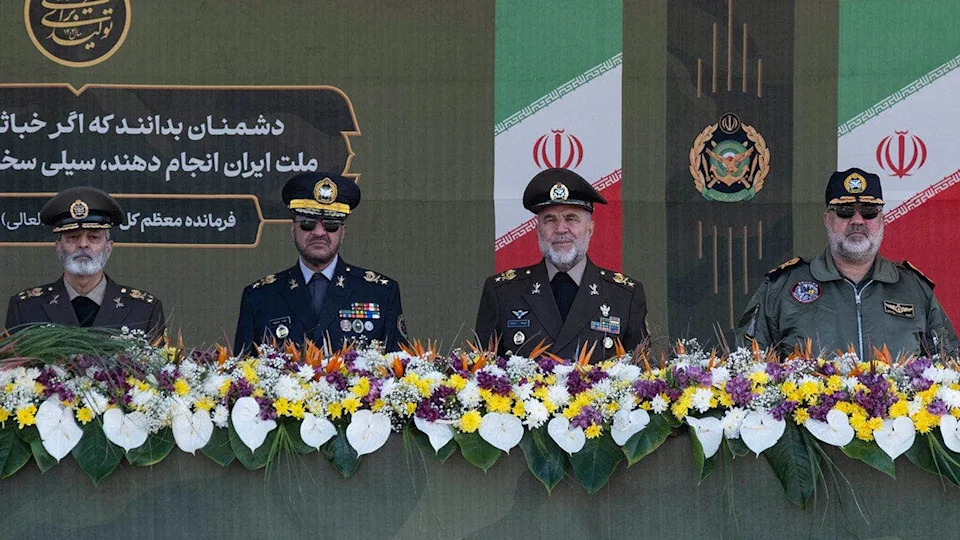
Iranian army commanders, from left to right, Sayyed Abdolrahim Mousavi, commander in chief of the Islamic Republic of Iran Army, Alireza Sabahifard, commander of Iran's Army Air Defense Force, General Kioumars Heydari, commander in chief of Iranian Army Ground Forces, and Hamid Vahedi, brigadier general of the Islamic Republic of Iran Army and the commander of the Air Force, participate in a military parade commemorating the anniversary of Army Day outside the Shrine of Iran's late leader Ayatollah Ruhollah Khomeini in the south of Tehran, Iran, on April 18, 2025.
Profiles and Controversies
Ahmad Vahidi rose through the IRGC’s intelligence and external operations branches and previously served as defense and interior minister; his record includes oversight of forces involved in the 2022 protest crackdown. Hossein Taeb, a veteran security official, has been linked to domestic repression during earlier tenures in the Basij and IRGC intelligence and was previously targeted by U.S. sanctions. Mohsen Rezaei, an IRGC commander during the Iran‑Iraq War, has held senior political and economic posts for decades and is seen by some analysts as emblematic of the returning old guard.
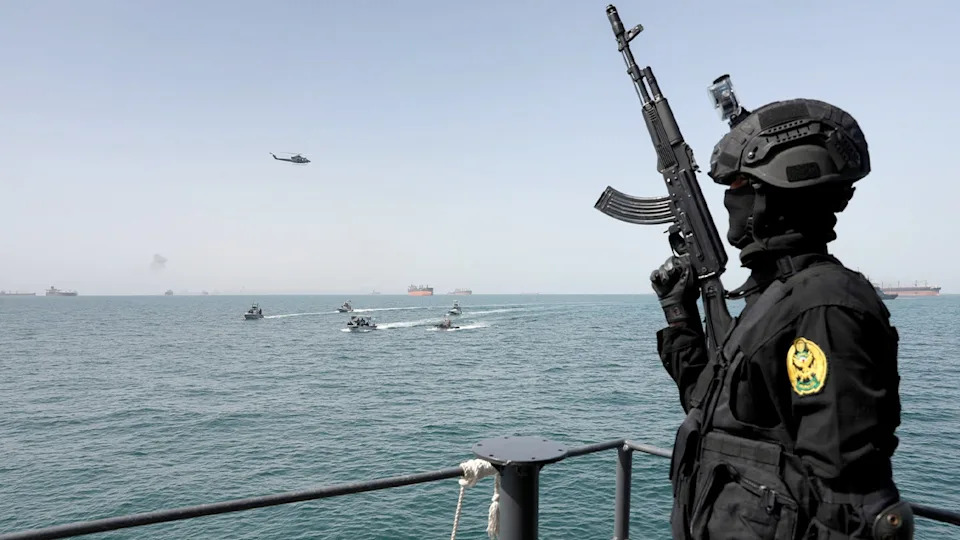
Naval units from Iran and Russia simulate the rescue of a hijacked vessel during joint drills at the Port of Bandar Abbas in Hormozgan, Iran, on Feb. 19, 2026.
Analysts’ Take
Commentators cited by international outlets argue the reshuffle looks less like generational renewal and more like a rotation among trusted regime veterans. Some experts view the moves as evidence of institutional continuity and loyalty; others see them as signs of weakness, saying a narrower leadership bench and fewer divergent perspectives could limit Tehran’s flexibility in diplomacy and crisis management.
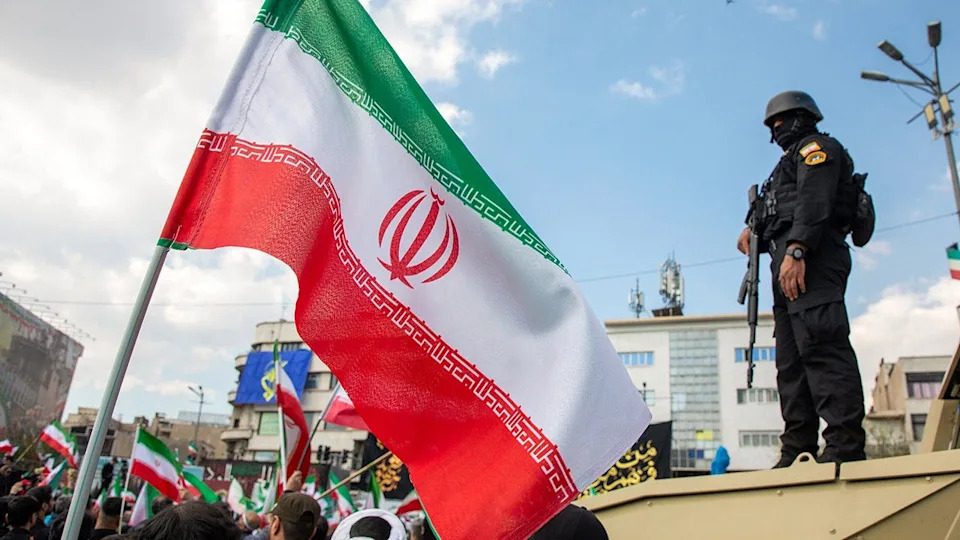
Members of security forces watch over the crowd during a funeral procession held for IRGC Navy Chief Alireza Tangsiri, alongside other senior naval commanders and their families who were killed in U.S.-Israeli strikes in late March, on April 1, 2026, in Tehran, Iran.
International Legal and Security Context
Several of the promoted figures — including Vahidi and Rezaei — have been linked in previous international investigations and controversy. INTERPOL red‑notice procedures in the mid‑2000s involved notices requested by Argentina in the probe of the 1994 AMIA bombing; U.S. sanctions and public criticism have also followed some appointees for alleged roles in repressing protests or human‑rights abuses.
What This Could Mean
The cluster of promotions consolidates veteran loyalists across the IRGC, the regular army (Artesh), the Basij and the national security bureaucracy. That consolidation may reinforce a hardline approach to internal dissent and external confrontation while narrowing internal debate — a dynamic that could shape Iran’s responses to U.S. pressure, regional tensions and any future negotiations.
Reporting and quotations referenced in this article appeared in The National, Reuters, IRNA, The Times, Iran International, Le Monde, the Middle East Forum, the Foundation for Defense of Democracies and Fox News Digital.
Help us improve.





















