
Declassified FBI memos say former Congressman Eric Swalwell acknowledged several casual sexual encounters with Christine Fang, a woman investigators suspected of links to Chinese intelligence. The records describe a broader probe into alleged illegal campaign contributions and efforts to place interns in political offices; investigators reportedly tried to cultivate Fang as an informant under the codename "Rusty Thumbs." The FBI found insufficient evidence to prove Swalwell participated in an illegal quid pro quo, and the DOJ declined prosecution after Fang left the U.S.
Declassified FBI Memos: Swalwell Admitted Multiple Sexual Encounters With Woman Suspected Of Ties To Chinese Intelligence
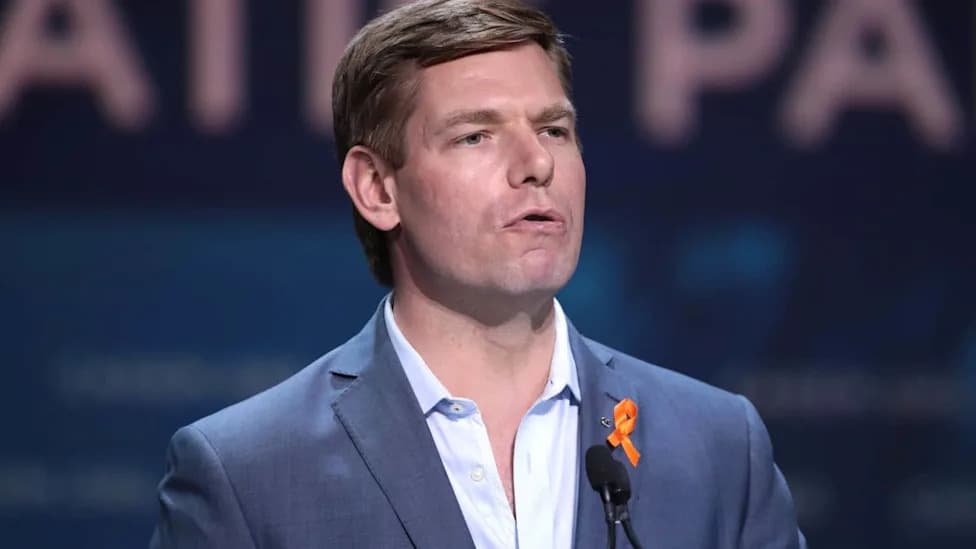
Former Congressman Eric Swalwell
Newly declassified FBI memos provide fresh detail about a three-year federal inquiry into former Congressman Eric Swalwell and a woman identified as Christine Fang, who was suspected by investigators of having ties to Chinese intelligence.
What the Files Say
The memos summarize interviews conducted at the FBI's Oakland field office in 2015 and 2016. According to the documents, Swalwell acknowledged to federal agents that he had several casual sexual encounters with Fang but maintained they never had a formal dating relationship. He told investigators he believed Fang may have hoped for something more romantic, but he did not view their relationship that way.
One episode described in the files involved Fang arriving unexpectedly at Swalwell's apartment; Swalwell told agents they had sex that night but said his memory of the incident was hazy after taking a strong sleep medication. The documents indicate their last reported physical encounter occurred in March 2015, shortly before federal agents delivered a defensive briefing to Swalwell about Fang's suspected foreign ties.
Broader Investigation
Beyond their personal interactions, the FBI probed possible campaign finance violations. The memos allege Fang used multiple intermediaries to conceal her status as a prohibited foreign source and funneled contributions into local campaigns on at least four occasions over a two-year period. Investigators also looked into Fang's role in recommending prospective interns to political offices, which raised additional concerns.
After reviewing the evidence, the FBI concluded there was insufficient proof that Swalwell participated in an illegal quid pro quo. The Department of Justice ultimately declined to prosecute alleged illegal campaign contributions after Fang left the United States and was barred from reentering.
FBI Handling And Covert Operations
The declassified records describe a covert FBI operation that monitored Fang and at one point sought to recruit her as a confidential human source under the codename "Rusty Thumbs." Investigators reportedly suspected she had connections to China’s Ministry of State Security and noted that her parents were believed to be intelligence officers. As scrutiny of her activities increased, Fang left the country.
Implications
The case highlights how foreign actors may employ subtle influence tactics—financial channels, placement of staff and interns, and personal relationships—to build footholds in local political networks. It also underscores the delicate judgments intelligence and law enforcement agencies must make when investigating elected officials and political campaigns.
Note: The documents describe allegations and investigations; they do not constitute a criminal conviction. Many assertions in the memos remain allegations or unproven claims.
Questions Raised
How should intelligence agencies and elected officials handle situations where political actors are targeted by sophisticated foreign operatives? What safeguards and disclosure practices best protect democratic institutions while respecting civil liberties?
Help us improve.





















