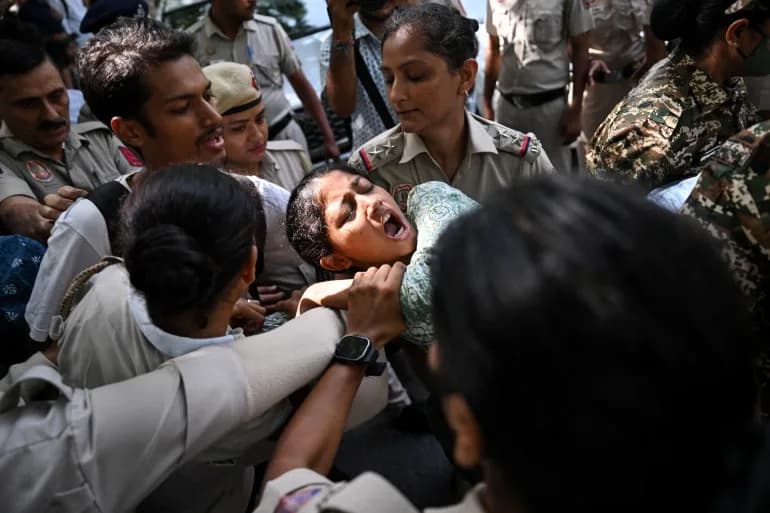
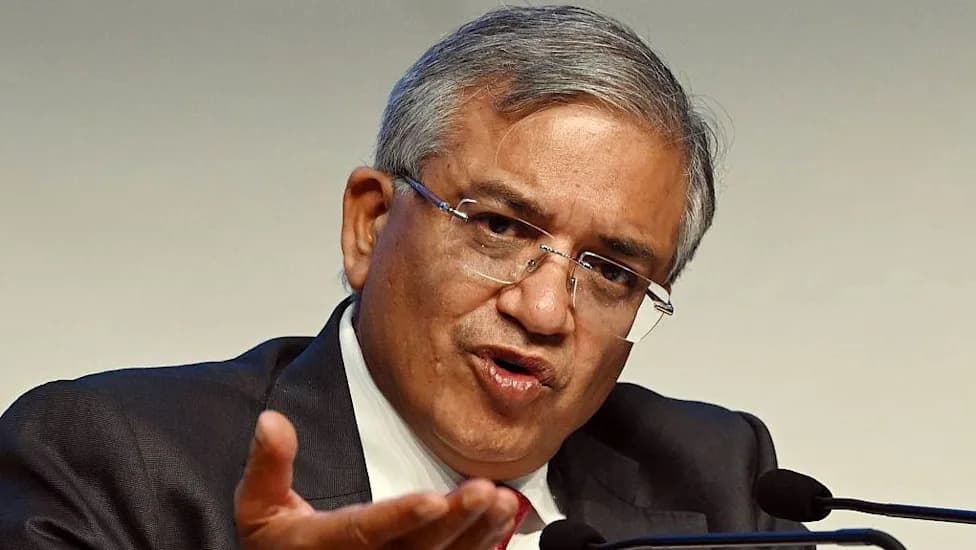
Devendra Nath Mahto ended a 16-day hunger strike after the Jharkhand government agreed to cancel a contested recruitment exam that sparked mass protests. The state has ordered CID inquiries and arrested several officials, including the JPSC chief, and announced that exams run by TDPL will be voided. Protesters still insist on a Central Bureau of Investigation (CBI) probe and remain camped in Ranchi until that demand is met. A committee will be formed to propose systemic reforms, while the fate of already-selected candidates remains uncertain.
Jharkhand Activist Ends 16-Day Hunger Strike After State Scraps Contested Recruitment Exam
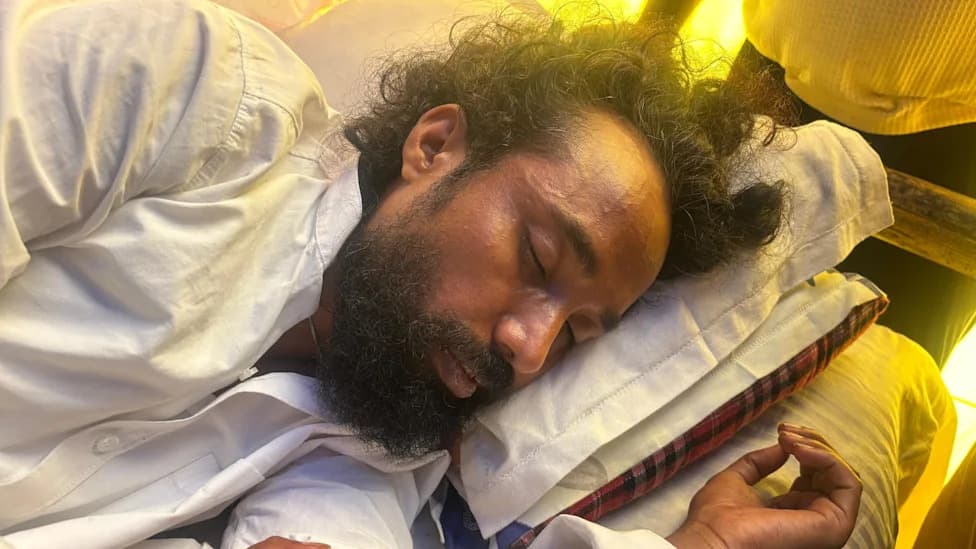
Student activist Devendra Nath Mahto ended his hunger strike after 16 days [Devendra Nath Mahto/X]
An activist in Jharkhand, eastern India, has ended a 16-day hunger strike after the state government agreed to cancel a disputed recruitment examination that triggered mass protests.
What Happened
Devendra Nath Mahto stopped his fast while admitted to a hospital in Ranchi, where state ministers were present. He had been hospitalised last week when his health declined during the prolonged hunger strike. Mahto emerged as a prominent face of demonstrations that began on 25 July, when job-seekers and students accused officials of irregularities in government recruitment tests and demanded reforms.
Government Response And Investigations
The state government has already cancelled the preliminary civil service exam and, on Monday night, announced that the Jharkhand Staff Selection Commission-Combined Graduate Level (JSSC-CGL) exam would also be scrapped. The administration ordered an inquiry by the Criminal Investigation Department (CID), which has arrested several people, including the chief of the Jharkhand Public Service Commission (JPSC).
Chief Minister Hemant Soren said the CID probe is uncovering "many shocking facts" but declined to provide detailed information, saying the matter remains under investigation. He also announced that all exams administered by private contractor TSR Data Processing Private Limited (TDPL) would be cancelled and ordered a review of recruitment tests conducted since 2014. It remains unclear what will happen to candidates who already cleared those processes if the review finds irregularities.
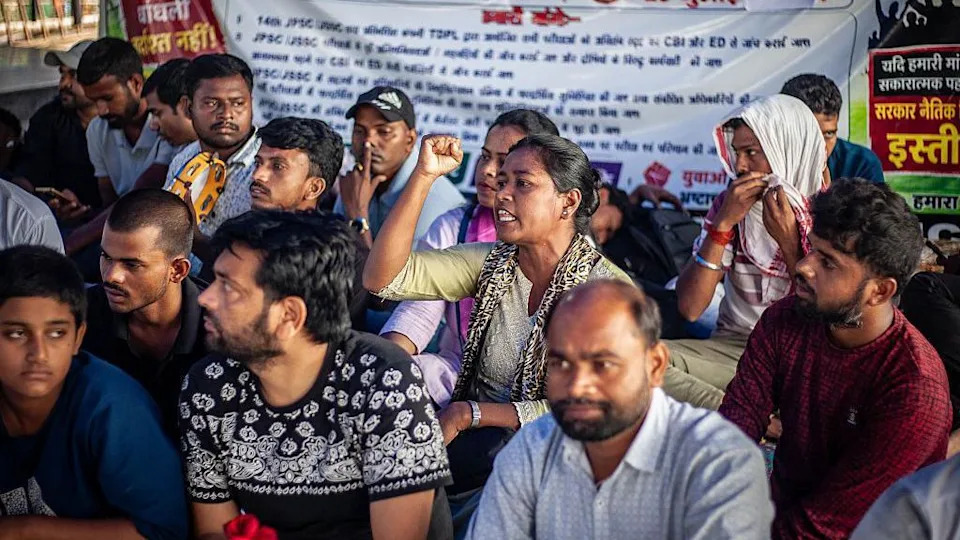
Students in Jharkhand have been on a sit-in protest since 25 July [LightRocket via Getty Images]
Protesters' Remaining Demands
Although the cancellations prompted scenes of celebration at a Ranchi stadium where students have maintained a sit-in since 25 July, protesters have insisted they will remain camped until the Central Bureau of Investigation (CBI) takes over inquiries into alleged malpractices across other recruitment exams. Student activist Ravindra Paswan told news agency ANI: "Until that demand is met, we will not move from here."
Wider Context And Impact
Government jobs in India are highly sought after because they often provide long-term stability and social security. Millions of candidates prepare for competitive state and national exams every year, sometimes enrolling in coaching programs and pacing attempts to meet age limits. Several recent recruitment tests nationwide have been clouded by accusations of leaked question papers and unfair practices, and prolonged recruitment procedures can leave successful applicants in limbo for months or years.
The unrest in Jharkhand followed larger protests in New Delhi that led to the resignation of the federal education minister, adding political pressure on the state government. The cancellation of the JSSC-CGL exam has sparked backlash from candidates who had already secured government posts after clearing that test.
Next Steps
The state said it will set up a committee to recommend reforms to the examination system and has expanded the scope of inquiries into past recruitment exercises. Protest leaders continue to press for a CBI investigation and clarity for candidates affected by cancelled or reviewed exams.
Bottom line: The government has taken significant steps by cancelling exams and ordering probes, but key questions remain about accountability, the fate of already-appointed candidates and whether a central CBI inquiry will be launched.
Help us improve.