Hill County, Texas, rescinded a one‑year moratorium on data centers after a developer sued, reflecting a broader national trend of legal challenges to local bans. Plaintiffs argue some moratoriums exceed local authority or violate constitutional protections, while opponents cite energy, water, noise, and pollution concerns. Many localities now favor detailed, project‑specific conditions, and federal guidance urges operators to shoulder infrastructure costs.
Texas County Repeals Data Center Moratorium After Developer’s Lawsuit — Part Of A Growing National Trend
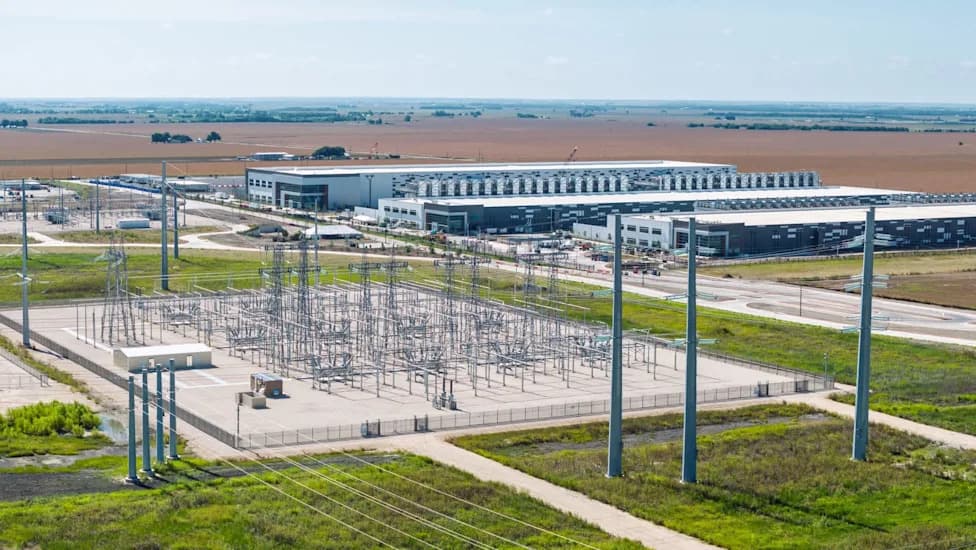
Photo Credit: iStock
Hill County, Texas, revoked a one-year moratorium on new data centers days after a developer filed suit, underscoring a national surge in legal disputes over large, energy‑intensive computing facilities.
What Happened in Hill County
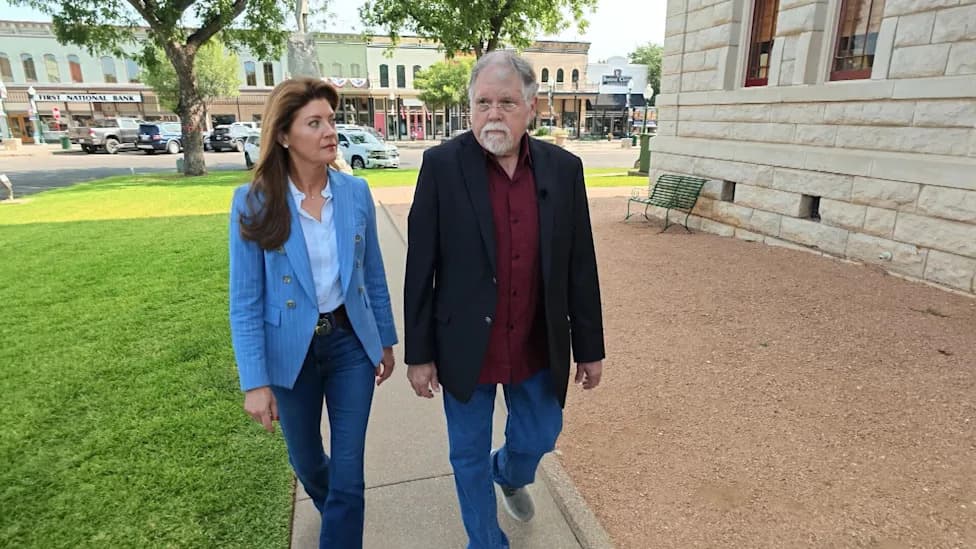
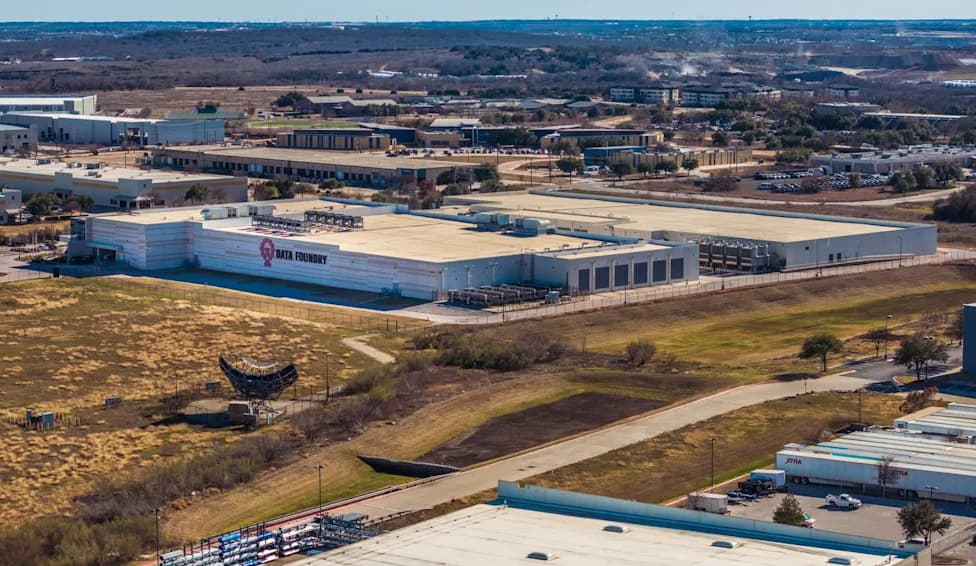
About two hours from Austin, Hill County adopted a one‑year ban on new data centers. The developer challenged the moratorium in court, arguing the county lacked authority to impose the restriction; county officials subsequently rescinded the measure.
Why These Disputes Are Escalating
Tom's Hardware and Bloomberg Law report that companies building AI‑focused data centers increasingly turn to litigation when local governments deny permits or enact bans and moratoriums. Some lawsuits claim officials exceeded their powers; others argue the measures violate due process or equal‑protection rights. As John Crossley of K&L Gates told Bloomberg Law, “If people just start to say, 'No, we're never approving data centers anymore,' especially in locations where they are needed and available, that's going to be a problem.”
Grid, Environmental, And Community Concerns
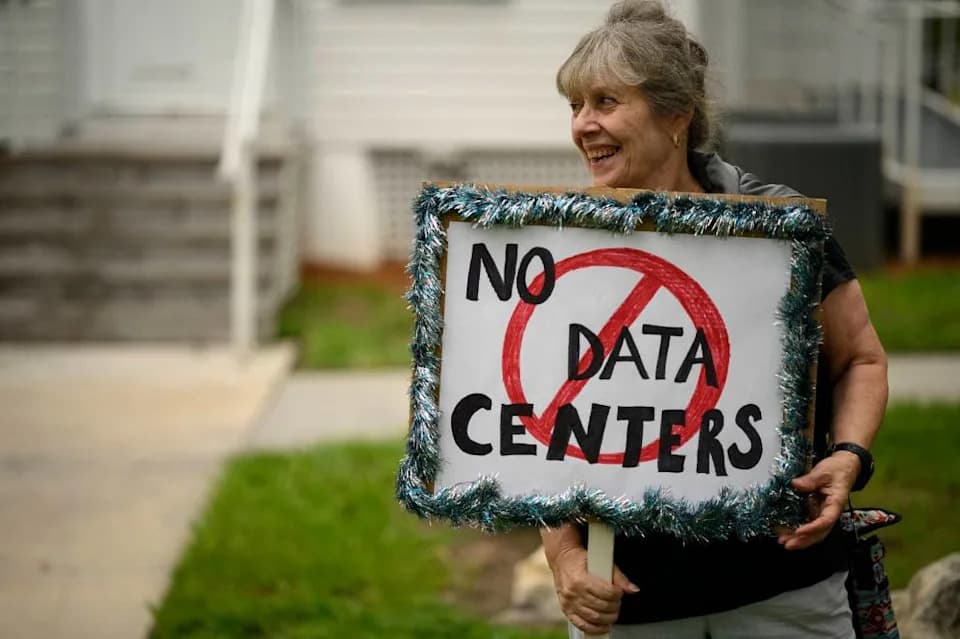
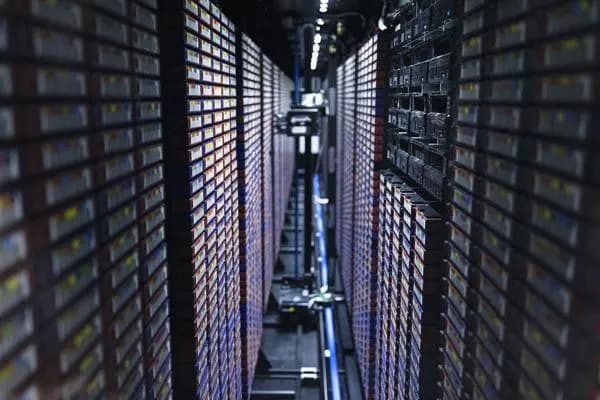
Large data centers power many AI services but consume substantial electricity and water. Communities and utilities raise concerns about pollution, noise, strain on local infrastructure, and higher utility costs for neighbors. For example, Virginia now requires data centers to finance their own upstream power connections after reported price spikes in the PJM Interconnection region.
Examples Cited: Reports have linked some large facilities to local water stress, air quality allegations, and persistent noise complaints. In one Michigan case, residents described the sound as “like someone set up a vacuum, like in your living room.”
How Governments Are Responding
Rather than broad bans, many jurisdictions are shifting toward strict, project‑level conditions that address noise, lighting, water and air quality, land use, taxes, and decommissioning plans. One Pennsylvania municipality, for instance, drafted 43 conditions a data center would need to meet.
Federal And Industry Measures
Even as federal policy supports rapid AI growth, officials have pushed for safeguards. The administration has encouraged hyperscalers, states, utilities, and operators to adopt a “ratepayer protection pledge” to ensure projects cover the costs of infrastructure upgrades rather than shifting those costs to local ratepayers.
Bottom Line: The Hill County reversal highlights an intensifying national test — balancing local control and community protections against energy demands and economic interests tied to AI infrastructure.
Help us improve.