Negotiations between the U.S. and Iran have stalled despite a June memorandum intended to open a 60-day negotiation window; Iran now says that timeframe is "irrelevant," alleging U.S. violations. Senior Iranian military officials have warned that defensive measures could evolve to include offensive actions, while Tehran and Oman work on a navigation plan for the Strait of Hormuz. Regionally, Saudi Arabia, Turkey and Pakistan signed the Mecca Joint Defence Agreement, and a Board of Peace delegation led by Jared Kushner is pursuing Gaza-related diplomacy in Egypt and Israel. Iran also announced a bounty for killing or capturing U.S. soldiers and reiterated vows to resist U.S. and Israeli policies.
Tensions Escalate: Iran Hints at Offensive Shift as U.S. Talks Stall; Mecca Defense Pact and Gaza Diplomacy Advance
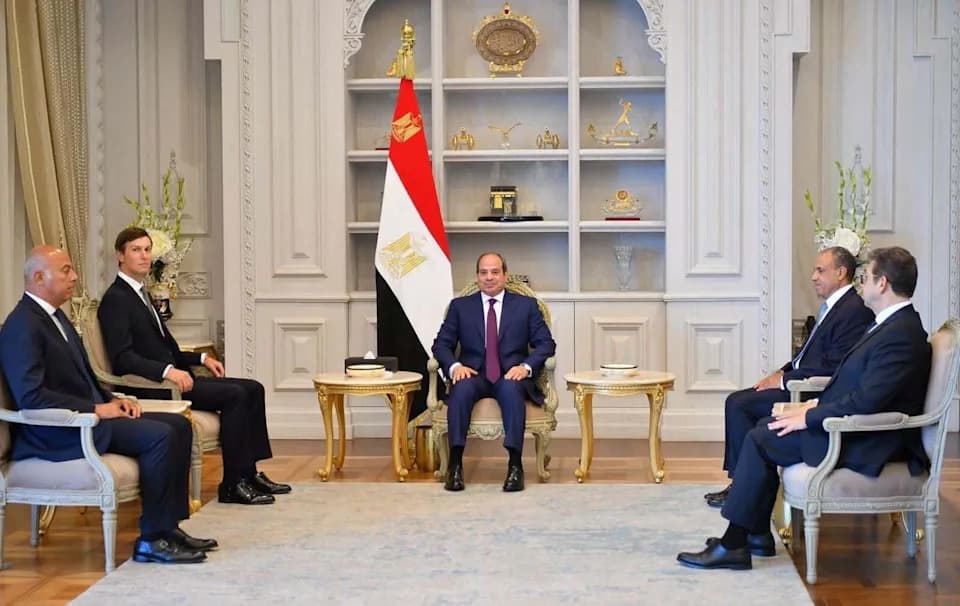
Egyptian presidency/handout/Anadolu via Getty Images - Egyptian President Abdel Fattah el-Sisi discusses developments in the Middle East with Jared Kushner, adviser and son-in-law to U.S. President Donald Trump, in El Alamein, Egypt on August 16, 2026.
Negotiations between Washington and Tehran have stalled despite a June memorandum of understanding, and Iranian officials are signaling that their posture could move beyond pure defense as regional diplomacy unfolds.
Background and Stalled Talks
In June, delegations from the U.S. and Iran signed a memorandum of understanding (MoU) intended to open a 60-day window for negotiations on issues including the nuclear program and sanctions relief. As that window neared its end, Iran's Foreign Ministry spokesman Esmaeil Baqaei told state media the deadline was now "irrelevant," charging that the United States had violated the terms of the MoU and prevented talks from beginning. Baqaei said the 60-day period could have been extended if necessary, and he noted ongoing Iran-Oman consultations over a navigation map for the Strait of Hormuz.
Military Statements and a Possible Shift in Posture
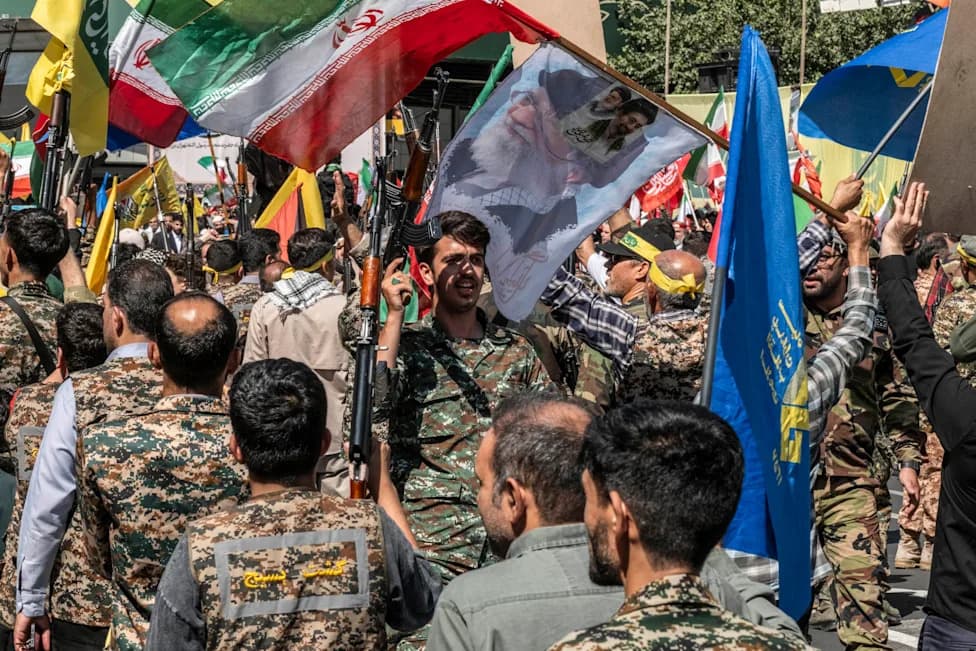
Senior Iranian military figures have issued tougher rhetoric in recent days. Brig. Gen. Yadollah Javani, political deputy of the Islamic Revolutionary Guard Corps, told the semi-official Fars News Agency that while Iran's actions to date have been defensive, they "may also take on an offensive aspect in the future." Javani said the armed forces would adopt "transformative approaches" to defend the country and neutralize threats as needed.
Separately, Iran's army chief, General Amir Hatami, announced a reward for those who kill or capture U.S. soldiers, saying the army would pay the equivalent of $30,000 (5 billion tomans) to anyone who "eliminates or captures an American aggressor soldier and delivers them to the authorities," according to the Islamic Republic News Agency (IRNA).
The General Staff of the Armed Forces released a statement vowing to continue resistance against the United States and Israel "until the complete defeat of its enemies and the fulfillment of the Iranian people's demands," according to IRNA. State-aligned media quoted Iranian parliamentary officials as describing the June memorandum as a diplomatic victory. Some phrasing in state reports was unclear; for example, IRNA's wording around calls for "retaliation" referenced an assassination but did not clearly identify the target in some English-language readouts.
Regional Diplomacy: Mecca Pact and Gaza Efforts
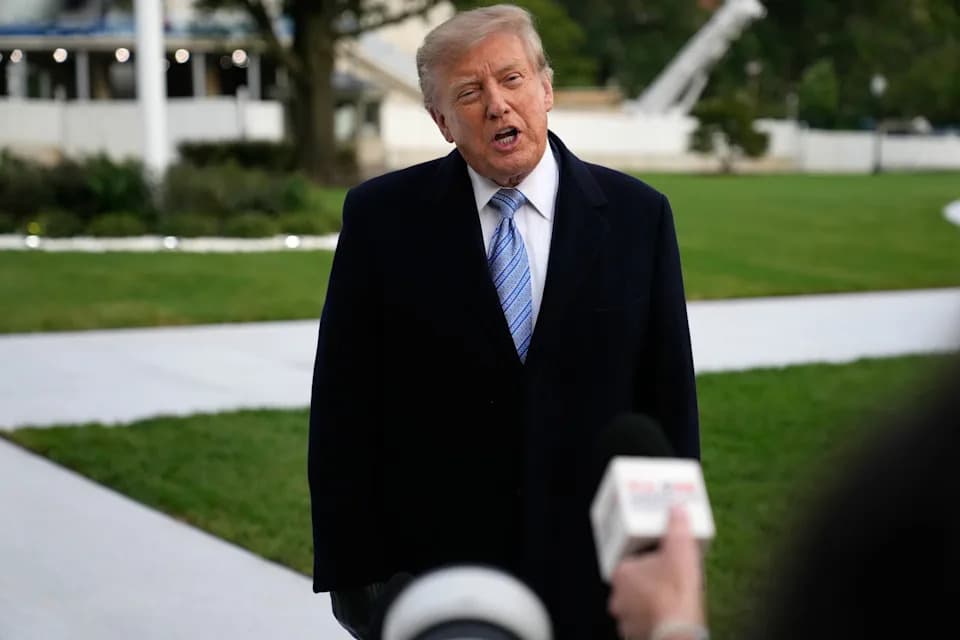
Regionally, Saudi Arabia, Turkey and Pakistan recently signed the Mecca Joint Defence Agreement, under which the signatories said they would treat an attack on one as an attack on all. President Donald Trump praised the pact as evidence of regional unity.
Meanwhile, a Board of Peace delegation led by President Trump's Middle East envoy Jared Kushner, accompanied by Nickolay Mladenov and former U.K. prime minister Tony Blair, traveled to Egypt and Israel to press a 20-point plan and a 15-point Gaza roadmap. The delegation met Egyptian mediators in El Alamein to discuss next steps, including preparations for a technocratic Palestinian committee to assume authority in Gaza. U.S. officials said the end state they and Israel agree on is a demilitarized Hamas, and discussions aimed to address Israeli concerns and accelerate progress.
Maritime Concerns: Strait of Hormuz
The strategic Strait of Hormuz remains a flashpoint. Iran has held consultations with Oman on navigational arrangements, and Iranian officials say a "navigation map" has been agreed in principle while the final text is being finalized. Any disruption in the strait would have wide implications for global energy markets and regional security.
What to Watch
- Whether U.S.-Iran talks resume or a diplomatic breakthrough emerges to extend or replace the 60-day framework.
- Any concrete shift by Iran from defensive to offensive military operations, beyond rhetoric.
- Progress on the Mecca Joint Defence Agreement and whether it provokes new alignments or escalations.
- Outcome of Kushner's meetings in Egypt and Israel and implications for Gaza governance and security arrangements.
Reporting draws on statements and readouts from IRNA, Fars News Agency, ABC News reporting, and official U.S. and regional statements.
Help us improve.