A Washington homeowner reported about a 20% drop in solar generation on a day with wildfire smoke present, despite clear skies and similar temperatures. The data came from an 11.5-kW bifacial ground array monitored by an Emporia Vue 3; the system is grid-tied and has no battery storage. Fine smoke particles scatter and weaken sunlight, which can lower panel output even when the sun appears bright. Homeowners should use monitoring, watch local AQI, and consider storage or sizing strategies to manage episodic production dips.
Wildfire Smoke Cuts Solar Output By About 20% — Even On Clear, Sunny Days
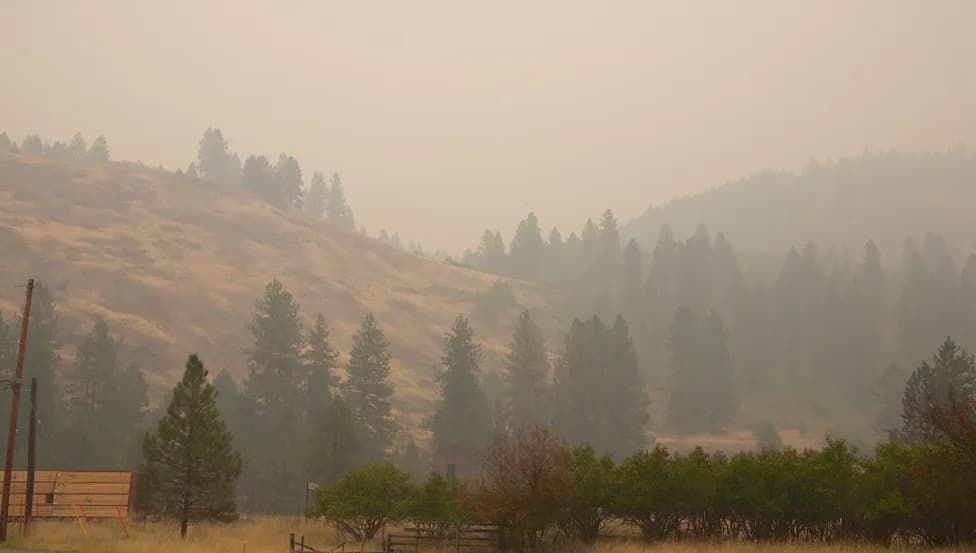
Photo Credit: iStock
A Washington homeowner reported a roughly 20% drop in solar generation on one day after smoke from Eastern Washington wildfires moved into their area — even though both days were sunny and had similar temperatures.
The homeowner, who lives about 40 miles north of Seattle, posted production data from August 4–5 for an 11.5-kW bifacial ground-mounted array monitored with an Emporia Vue 3. On the smokier day total generation fell by about one-fifth compared with the clearer day, a decline that was easy to spot because the system is grid-tied and has no battery storage.
What The Data Showed
Measured Difference: Two consecutive clear days with similar temperatures produced markedly different results — the smokier day yielded ~20% less energy.
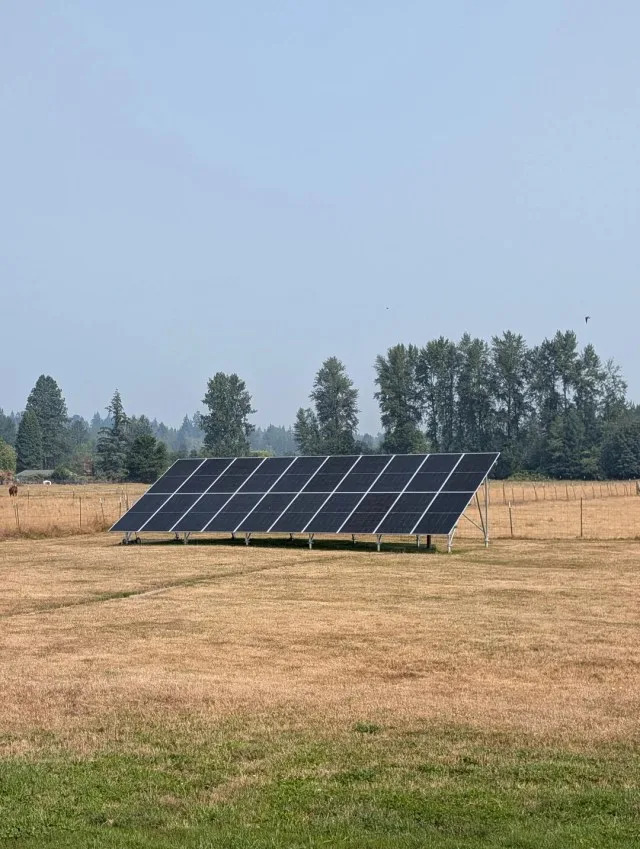
Photo Credit: Reddit
System Details: 11.5 kW bifacial ground array, monitored by Emporia Vue 3, grid-tied, no batteries. Location: ~40 miles north of Seattle. Smoke source: fires in Eastern Washington.
Why Smoke Reduces Solar Output
Fine particles and aerosols in wildfire smoke scatter and attenuate sunlight as it travels through the atmosphere. That reduces solar irradiance reaching panels, so electrical output drops even when the sky looks bright and cloudless. The effect depends on particle concentration, altitude of the smoke layer, sun angle and panel orientation.
Practical Takeaways For Homeowners
Expect Variability: Local smoke, ash, and poor air quality can temporarily reduce production without typical cloud cues. For households relying on daytime solar to lower bills, a ~20% daily decline means smaller immediate savings and more electricity imported from the grid.
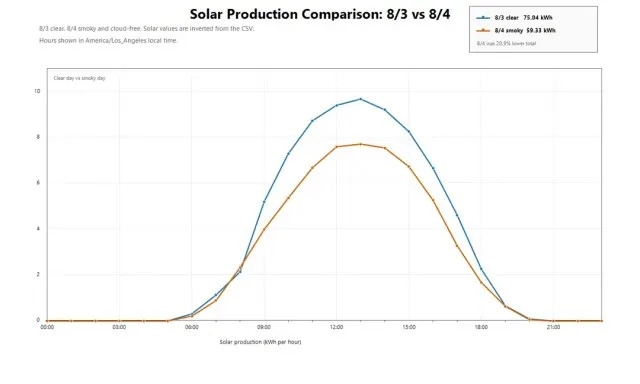
Photo Credit: Reddit
Monitoring Helps: Real-time monitoring systems (like the Emporia Vue) and awareness of local air-quality index (AQI) make it easier to spot and quantify smoke-related dips.
Plan Options: Consider battery storage, larger system sizing, or flexible energy usage patterns to smooth seasonal or episodic drops in generation.
Resources
Online tools such as EnergySage offer free estimates and comparison tools for solar installations; the platform notes users of its free tools can save significantly on system costs. EnergySage’s solar map also shows average system costs and incentives by state, which can help homeowners evaluate options.
Bottom Line: Wildfire smoke can meaningfully reduce solar generation even on clear days. Photovoltaics remain a strong long-term investment for reducing household energy costs, but owners should plan for intermittent, air-quality-driven variability and consider monitoring and storage options where appropriate.
Help us improve.