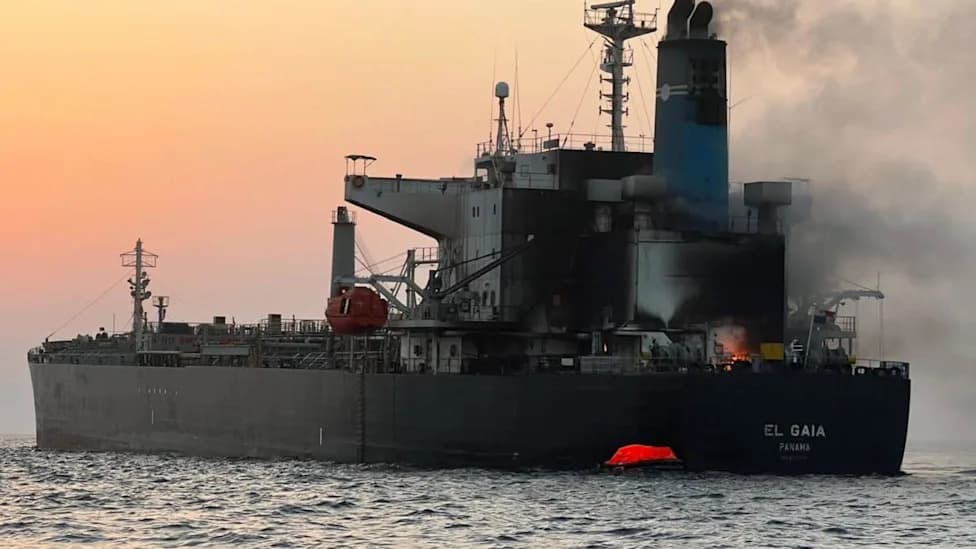
The grounded tanker Caroline Bezengi, carrying over 800,000 barrels of oil, is leaking near Qabiliyah Island as Khareef monsoon weather drives a large slick toward protected Omani coastline. Ambrey, assisted by the Omani Air Force, boarded the increasingly submerged vessel to assess and stabilise it. Environmental groups warn that oil reaching coastal sediments could cause long-lasting damage to reefs, seagrass, turtles, migratory birds and Arabian Sea humpback whales. Rough seas, the ship's deterioration and unclear ownership and insurance complicate cleanup and compensation efforts.
Salvage Crews Board Sinking Tanker as Oil Slick Threatens Oman's Protected Coastline
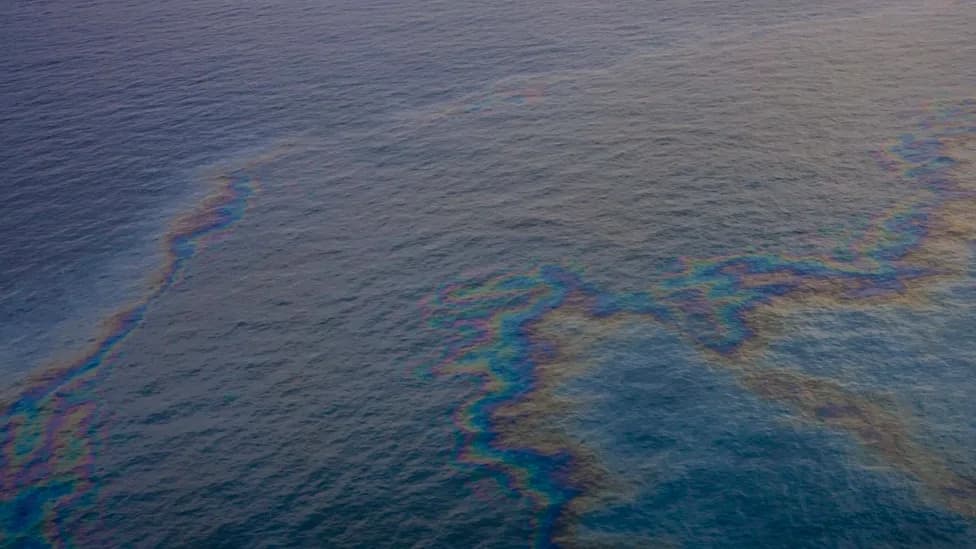
Photo Credit: iStock
Stormy Khareef monsoon conditions off Oman are pushing an expanding oil slick toward a sensitive marine habitat after the tanker Caroline Bezengi ran aground and began leaking following an explosion in early June.
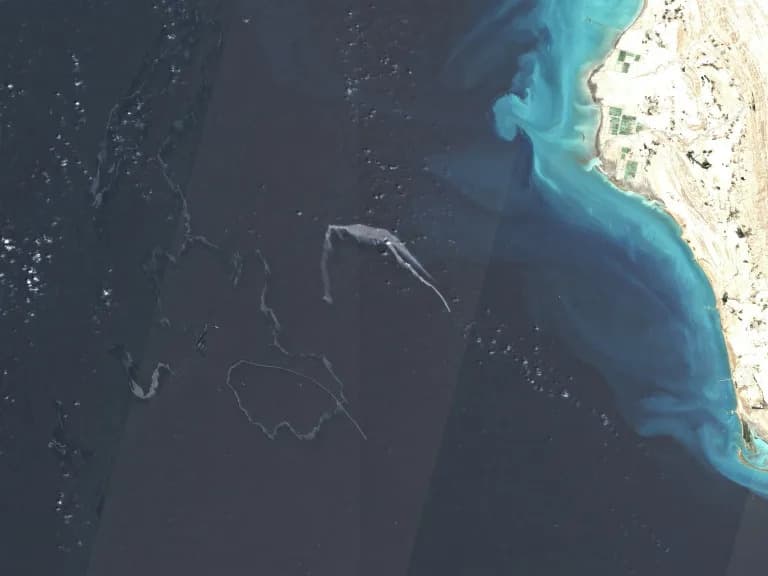
Recent satellite imagery shows oil spreading across hundreds of square kilometers after the vessel grounded near Qabiliyah Island. The tanker, believed to be part of Russia's so-called "shadow fleet," was reportedly carrying more than 800,000 barrels of oil.
A U.K.-based salvage company, Ambrey, working with the Omani Air Force, said its teams boarded the increasingly submerged tanker to assess its condition and begin stabilisation and containment efforts.
Ed Wollaston, Ambrey's Global Response Director, said: "This is an extremely challenging situation, compounded by adverse weather conditions associated with the Khareef monsoon."
Environmental Risks
The spill lies close to Qabiliyah Island, a protected marine zone that supports coral reefs, seagrass beds, endangered turtles, nesting and breeding sites for migratory birds, and the rare Arabian Sea humpback whale. Omani authorities and environmental groups warn that oil reaching coastal sediments could cause long-lasting environmental damage and be far more difficult to remove.
Hanen Keskes of Greenpeace told the Associated Press: "It is extremely concerning that the slick has moved from offshore into coastal waters, where oil can penetrate sediments and become far harder to remove."
Complicating Factors
Rough seasonal weather and the tanker's deteriorating condition are hampering response efforts. Satellite imagery suggests the vessel is sitting lower in the water, increasing the risk of a larger rupture and a much bigger discharge of oil. Authorities say the slick has already reached Ras Madrakah, more than 200 kilometers north of the grounding site, and could drift another 100-plus kilometers toward Masirah Island.
The tanker is reported to be unflagged, appears owned out of Shanghai, and may not be insured — gaps that can complicate cleanup responsibility, liability and compensation if damage spreads to protected ecosystems.
Omani authorities continue to monitor the slick's movement while Ambrey and other responders work to stabilise the vessel, contain the spill and protect vulnerable shoreline and wildlife habitats.
Help us improve.