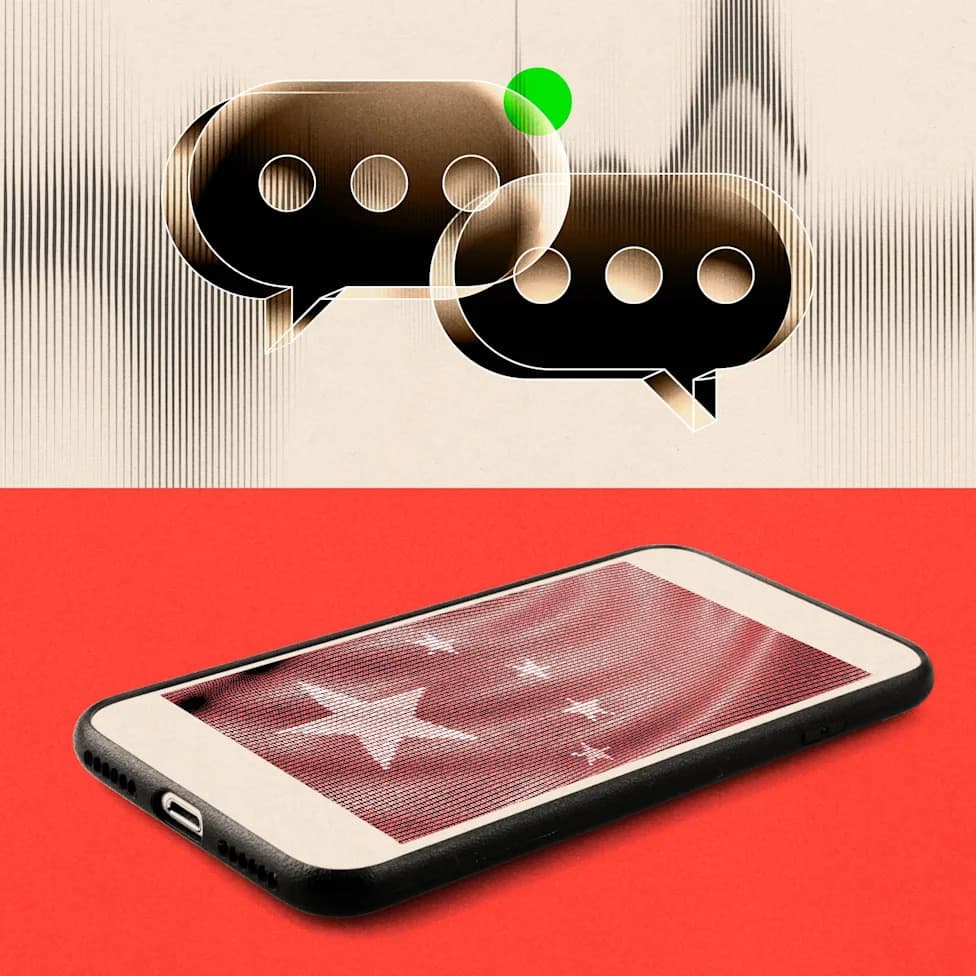
The CESifo experiment followed 12,365 French adults for 28 days and found that people who chatted with AI rated those conversations as more pleasant, yet reported increased loneliness and lower life satisfaction. Chatbot users also ate more meals alone and spent less in-person time with friends and family. Experts caution that typed interactions lack the "being known" quality of human contact; some pilots show short-term benefits, but chatbots cannot fully replace face-to-face relationships.
Chatting With AI Feels Good—But a 28‑Day Study Finds It Can Increase Loneliness
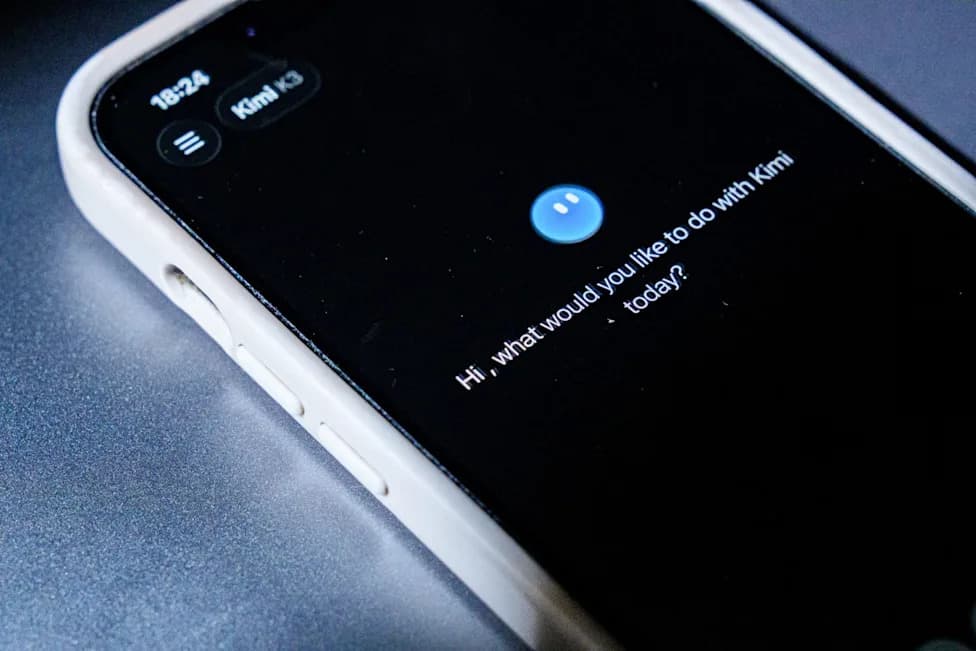
Experts say talking to chatbots doesn't replace human interaction as a growing body of research indicates it increases loneliness.
A new randomized experiment from Munich-based economic research network CESifo suggests that conversations with AI chatbots can feel pleasant in the moment yet may ultimately worsen feelings of loneliness and reduce real-world social contact.
What the Study Did
The working paper followed 12,365 French adults for 28 days. Half of participants were instructed to hold personal conversations with AI chatbots during the month; the other half continued their usual routines. By the end of the period, people who chatted with bots rated those exchanges as more enjoyable and pleasant than the control group rated their everyday interactions.
Key Findings
Despite higher momentary enjoyment, the chatbot group reported several negative outcomes compared with the control group: increased loneliness, lower life satisfaction, a small rise in depressive affect, more meals eaten alone, and fewer hours per week spent in face-to-face contact with friends and family.
“I would imagine that in some cases an AI conversation may reinforce grievances or prolong rumination, leaving someone slightly less inclined to go out, call somebody, or have dinner with another person,” said Louis Fréget, one of the study's three researchers.
Why a Pleasant Chat Isn’t the Same as a Social Bond
Behavioral scientists say the format of interaction matters. Nicholas Epley of the University of Chicago, who studies social connection, told Fortune that chatbot exchanges do not produce the same feeling of being "known" by another person and therefore do not create a meaningful social bond.
Valeria Pfeifer, an assistant professor at the University of Missouri–Kansas City, noted that typed interactions—texts, chat messages, email—tend to evoke fewer positive emotions and form weaker ties than face-to-face contact. "Even if they're similar in depth, they don't have the same psychological implications," she said.
A Mixed Picture
The literature is not unanimous. A New York pilot program involving nearly 1,000 older adults reported a decline in loneliness after interactions with an AI chatbot. Still, bioethicist Nancy Berlinger of the Hastings Center cautioned that while chatbots can offer temporary relief, they cannot replace the richness of in-person relationships.
The CESifo paper is one of the largest causal tests to date of the idea promoted by some tech leaders that chatbots could help ease a loneliness epidemic. Meta CEO Mark Zuckerberg has argued that AI could help people find social connection, and a KPMG survey reported strong professional interest in workplace chatbots that act like close colleagues or friends. But the CESifo results suggest that pleasant chatbot exchanges do not necessarily translate into stronger real-world social ties and may reduce motivation to seek them out.
Bottom line: Chatbots can provide momentary comfort or entertainment, but they are not a reliable substitute for the social, emotional, and motivational benefits of genuine human connection.
This story was originally reported on Fortune.com and is based on a CESifo working paper and related expert commentary.
Help us improve.