Kemi Badenoch has been criticised after defending Joshua Bonehill‑Paine — a former neo‑Nazi who campaigned against Luciana Berger — and reportedly appointing him as an adviser on radicalisation after he withdrew his bid for a Somerset council seat. Bonehill‑Paine has served prison time and has not apologised to Berger for the abuse he directed at her. Commentators are split: some defend Badenoch on grounds of second chances, while others say the move reveals poor judgment and a risky rightward shift that could alienate centrist voters.
Kemi Badenoch Draws Criticism After Defending And Appointing Ex‑Neo‑Nazi Adviser
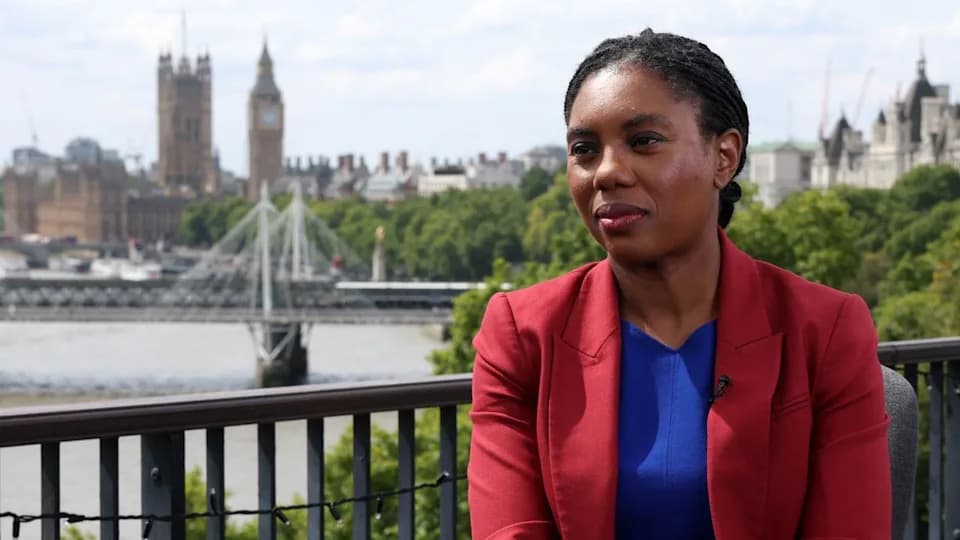
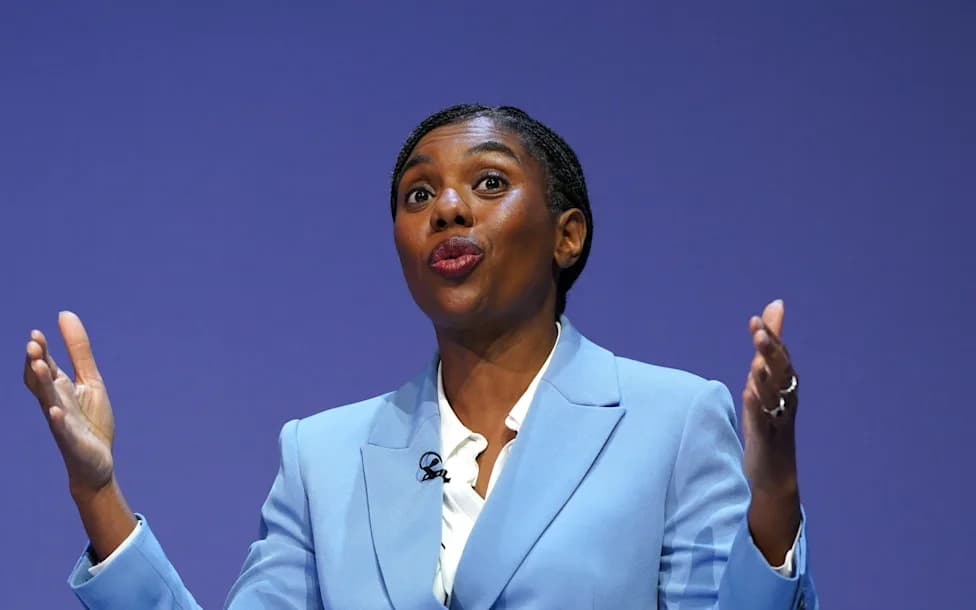
After Joshua Bonehill-Paine withdrew his candidacy, Badenoch gave him a role as an adviser on radicalisation instead. | Credit: Dan Kitwood / Getty Images
Kemi Badenoch, leader of the Conservative Party, has come under fire after defending the right of Joshua Bonehill‑Paine — a former neo‑Nazi who sought to stand as a Conservative councillor in Somerset — to run for local office, and reportedly appointing him as an adviser on radicalisation after he withdrew his candidacy.
Background: Bonehill‑Paine served a prison sentence following a campaign of racially abusive harassment against former Labour MP Luciana Berger. He says he has since reformed and is committed to combating antisemitism, but has not publicly apologised to Berger for what he described as "Operation Filthy Jew Bitch." His record also includes an assault conviction.
Public Reaction: Commentators and political rivals responded sharply. Tom Harris (The Telegraph) argued Badenoch is neither foolish nor antisemitic and suggested her defenders see this as a principled stance in favour of second chances. By contrast, Rachel Cunliffe (The New Statesman) dismissed that explanation, calling for "conviction politicians, not politicians with convictions," and noting the stark difference between Bonehill‑Paine's offences and comparatively minor historical crimes by other politicians.
Other Commentary: Kate Maltby (The Observer) said the episode was especially striking given Badenoch's earlier clear stance against antisemitism. Kitty Donaldson (The i) warned the controversy has reignited concerns about Badenoch's strategic shift to the right, arguing it could alienate centrist and One Nation Tories at the very moment the party also seeks votes from Reform UK.
"When he withdrew his candidacy she gave him a role as an adviser on radicalisation instead," — reporting that has proved politically damaging.
Political Implications: The row has reopened debates about rehabilitation and public office, party discipline, and electoral strategy. Supporters frame Badenoch's actions as consistent with belief in rehabilitation; critics see a lapse in judgment and a risky move that could hurt the Conservatives' appeal to centrist voters and cost them seats lost to the Liberal Democrats.
What To Watch: Whether the controversy affects Badenoch's standing within the party, how party whips and local associations respond, and whether Bonehill‑Paine's alleged advisory role is continued or rescinded will shape the story going forward.
Help us improve.