Recent DSA-aligned wins have intensified debate on the U.S. left, but polling still favors established California figures such as Kamala Harris and Gavin Newsom over a DSA presidential candidate. California faces acute social and economic problems — homelessness, wildfires, uneven education outcomes and stalled private-sector job growth — even as the state budget expanded by about 40% under Governor Newsom and faces projected structural deficits of $20bn–$35bn. Tensions may grow between the party's left wing and its tech donors, exemplified by an $850,000 Anthropic donation to California Democrats, while pragmatic California leaders attempt to navigate both constituencies.
California’s Crisis and the Future of the U.S. Left: What 2026 Could Look Like
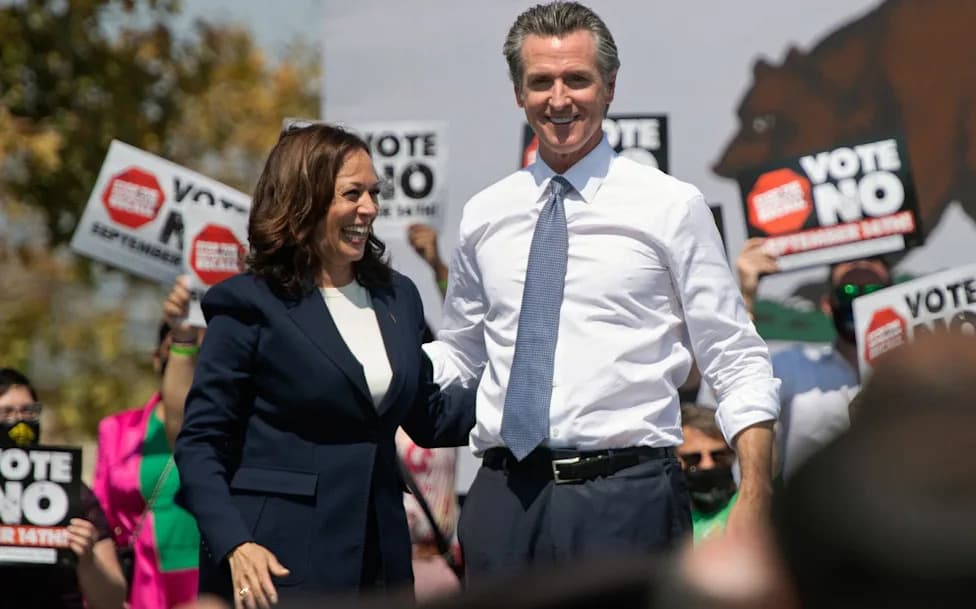
Nearly half of Democrats name either Kamala Harris or Gavin Newsom as their favoured candidate for the 2026 election - SAUL LOEB/AFP
Recent advances by Democratic Socialists of America (DSA)-aligned candidates have refocused debate within the U.S. Democratic Party about the direction of the American left. While the DSA's gains have attracted intense attention, their immediate prospects for winning a presidential nomination remain limited compared with more established California figures.
Where Polls Stand
Aggregated polling from RealClearPolitics places Rep. Alexandria Ocasio-Cortez at roughly 9% in hypothetical matchups for the next Democratic presidential nomination. By contrast, many Democrats currently name California leaders such as former Vice-President Kamala Harris or Governor Gavin Newsom among their preferred options for 2026, reflecting the state's outsized influence in party politics.
Economic and Social Challenges
California's global reputation for innovation coexists with serious domestic challenges. Visible problems include widespread homelessness, recurring catastrophic wildfires and episodic street violence. On several social and economic metrics the state performs poorly relative to peers: K–12 outcomes are weak in many districts, poverty rates are high, private-sector job growth has lagged, literacy and employment figures are uneven, and youth unemployment is a persistent concern.
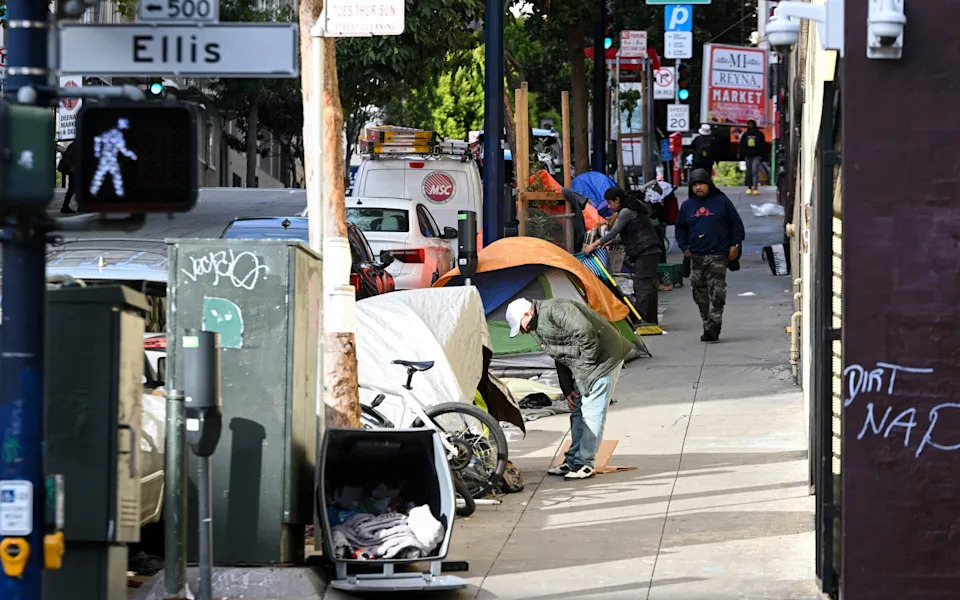
Homeless encampments line a pathway in San Francisco - Tayfun Coskun/Anadolu
Job creation in recent years has skewed toward government and government-funded sectors such as education and healthcare, while private-sector employment has shown signs of stagnation and some businesses have relocated out of state.
Finances, Spending and Donors
Under Governor Newsom, the state budget grew by roughly 40%. The California Legislative Analyst's Office has warned of large multibillion-dollar shortfalls this year and projects a potential long-term structural deficit in the range of $20 billion to $35 billion annually if current trends persist.
Both Harris and Newsom receive substantial support from entertainment and technology donors. For example, in 2024 two of Harris's top corporate contributors (counting employee donations) were Alphabet and Apple. Tech-sector donations remain influential: AI company Anthropic recently contributed $850,000 to California's Democratic Party as it lobbies for stronger state-level AI guardrails.
Anthropic recently made a $850,000 contribution to California's Democrats - Patrick Sison
Politics, Pragmatism and the Left
California leaders tend to balance progressive rhetoric with pragmatic outreach to major donors. This creates space for occasional tensions: some left-wing activists oppose projects such as data centers and certain AI developments, while the party's financial base often includes technology companies that benefit from such infrastructure.
Both Harris and Newsom have shown political flexibility, sometimes embracing progressive candidates or positions while maintaining broad centrist appeal. This dynamic may continue through the primary season, even though roughly half of Democratic identifiers describe themselves as centrists — a bloc whose support will be decisive in a national general election.
What This Means for 2026
If a California figure becomes the 2026 Democratic nominee, opponents may highlight the state's high cost of living, population outflows, business relocations and visible social problems. That argument could be a potent line of attack in a national contest, depending on the campaign narrative and the nominee's ability to offer tangible solutions.
Conclusion: California remains politically consequential for the Democratic Party, but its policy record and social challenges complicate its role as a progressive model. The interaction between the party's left wing, pragmatic leaders and influential tech donors will shape both the primary fights and the general-election debates leading into 2026.
Help us improve.