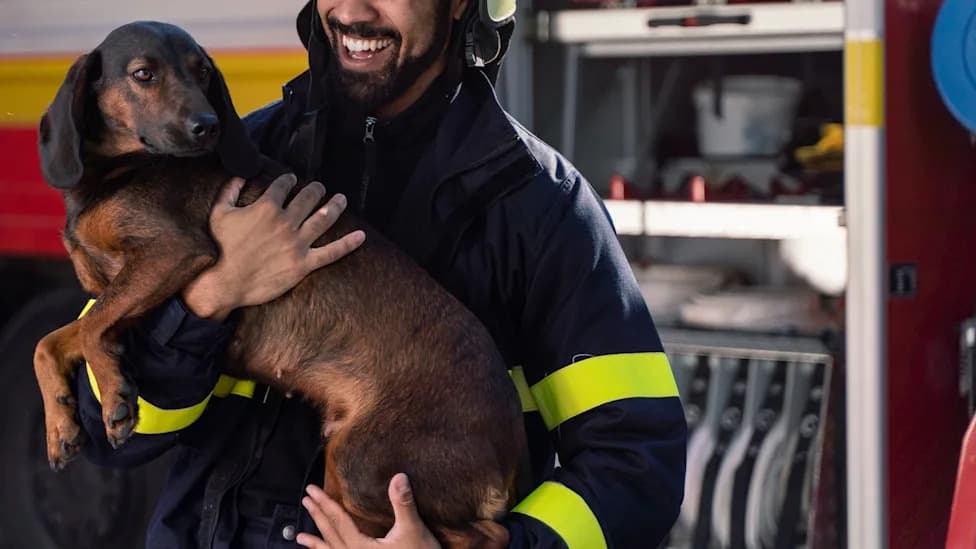
Local teams in Attica recovered 282 animals after the Porto Germeno and Attica-Viotia wildfires, reuniting 131 with their owners while 91 remain in foster care awaiting adoption. The municipal stadium in Megara served as the central intake site, and the municipality's hotline received 86 calls during a 24-hour period; four animals did not survive. Officials and volunteers were credited for rapid coordination, underscoring the need to include animals and veterinary services in wildfire emergency planning.
282 Animals Rescued After Attica Wildfires; 131 Reunited With Owners
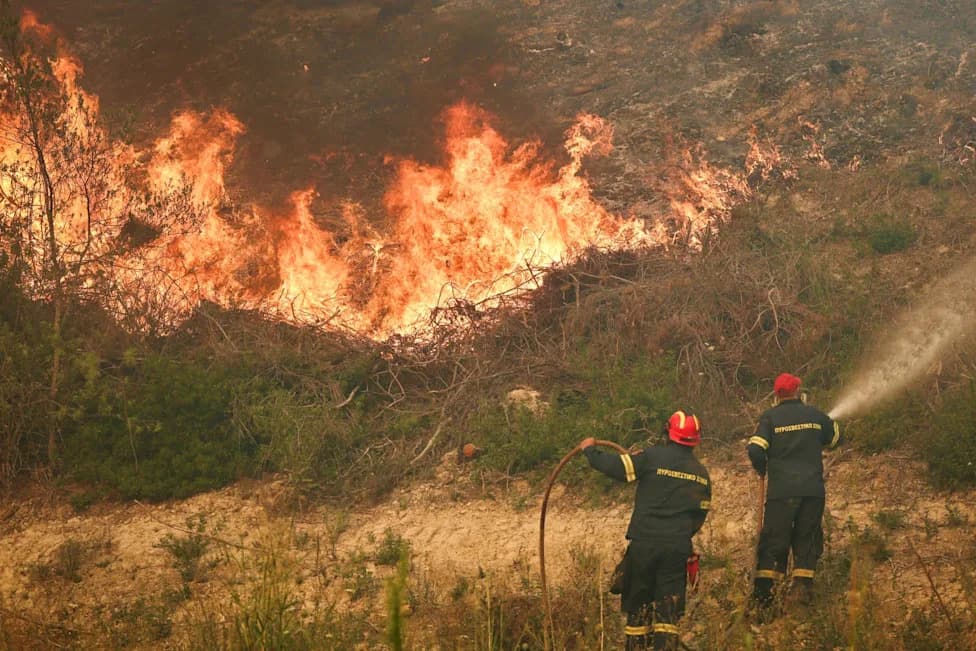
Photo Credit: Getty Images
A coordinated rescue effort in Attica, Greece, pulled 282 animals — including pets, farm animals and wildlife — to safety after wildfires swept through the Porto Germeno and Attica-Viotia areas. Volunteers, veterinarians, municipal staff and residents worked together to recover, treat and shelter the animals during the emergency.
Rescue Operation By the Numbers
Total animals recovered: 282
Reunited with owners: 131
In foster care awaiting adoption: 91
Animals that did not survive: 4
Breakdown by type: 222 companion animals, 46 farm animals and 14 wild animals.
The municipal stadium in Megara served as the central intake and care site during the emergency. Over a 24-hour period the municipality's hotline logged 86 calls related to animal rescues and relief efforts.
Community Response
Megara Mayor Panagiotis Margetis publicly thanked residents, veterinarians, animal-welfare organisations and volunteers for their swift response. Local authorities credited the rapid coordination and the use of a central care site for enabling quick triage, treatment and reunification.
Why This Matters
Wildfires devastate forests and threaten homes, displacing people and exposing communities to smoke and uncertainty. They also place severe stress on household pets, livestock and wildlife. As climate-driven heat and fire risks intensify, emergency planning must increasingly include animals and veterinary care because animal safety is closely linked to human wellbeing and recovery.
How Cities And Pet Owners Can Be Better Prepared
Cities and municipalities can improve readiness by pre-establishing temporary animal care centers, staffing emergency hotlines, keeping veterinary teams on standby and maintaining shelters that can handle companion animals, livestock and wildlife. Clear protocols for intake, identification and reunification speed recovery and reduce long-term displacement.
Pet owners should assemble an emergency kit that includes a carrier, at least three days of food and water, medications, basic first-aid supplies, proof of identification and vaccination records, and a recent photo of the pet. Planning ahead makes reunification faster and reduces stress for animals and owners.
How To Help
Those who wish to support recovery efforts can donate to reputable animal-welfare and climate-action organizations, volunteer with local rescue groups, or offer temporary foster care. Practical contributions — such as supplies, transport assistance and financial support — are often the most useful in the immediate aftermath of wildfires.
The coordinated response in Attica highlights how community effort, veterinary expertise and municipal planning can dramatically improve outcomes for animals in disaster situations.
Help us improve.