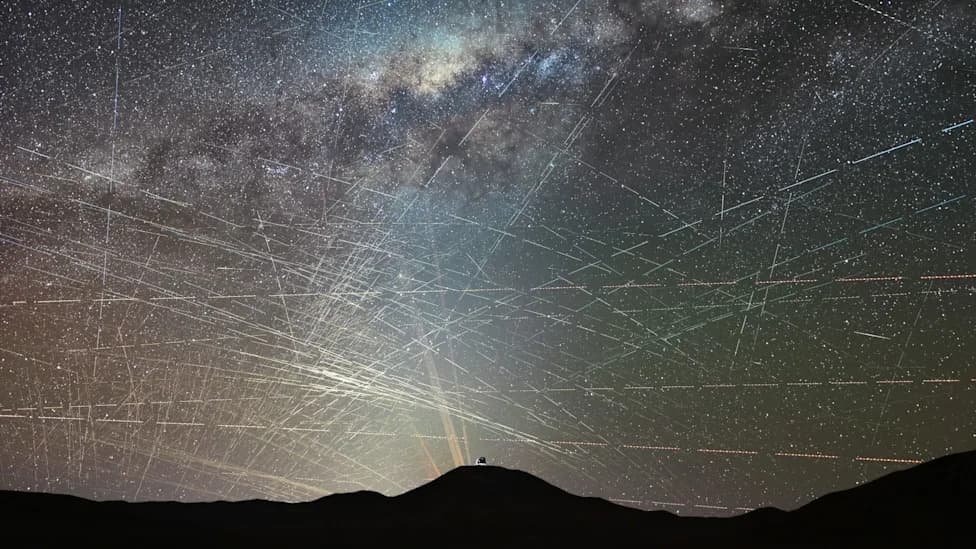
Reflect Orbital won FCC approval to test Eärendil-1, a satellite carrying a nearly 60-foot mirror intended to illuminate a roughly three-mile-wide patch of Earth. Experts warn the reflected beam could appear as bright as Venus to outside observers and make the target area about four times brighter than a full moon, posing eye‑safety and navigation hazards. Pilots, motorists and wildlife could be affected, and critics demand stricter safeguards, public notice and coordination with observatories and aviation authorities before any wider deployment.
Experts Warn FCC-Approved Space Mirror Test Could Harm Astronomers, Pilots and Wildlife
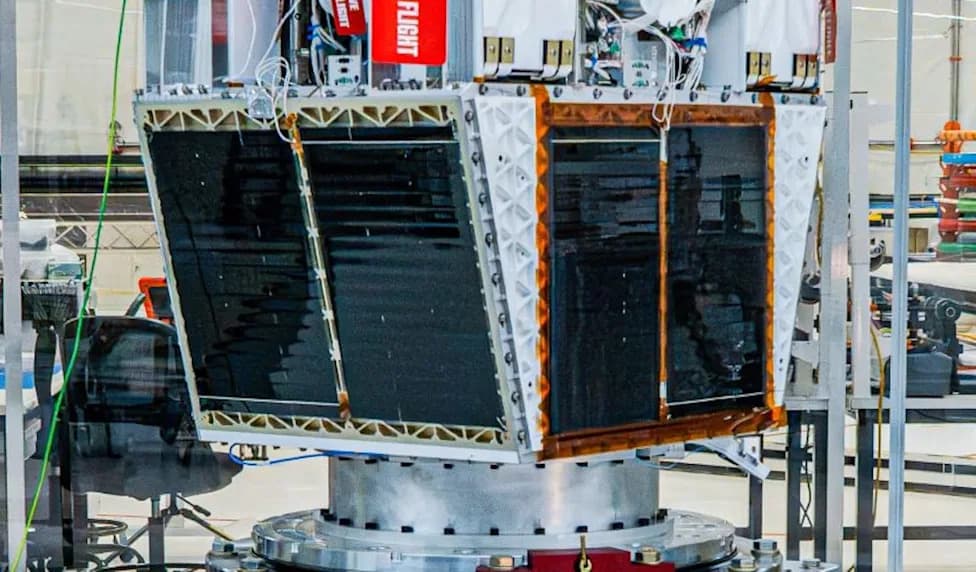
Photo Credit: Reflect Orbital
Experts are raising alarms about a planned test of a satellite that would unfurl a large mirror in orbit and direct sunlight back to Earth, warning the device could present serious hazards to astronomers, aviators and ecosystems.
According to reporting by The Verge, California-based company Reflect Orbital received approval from the Federal Communications Commission to launch a test satellite named Eärendil-1. The craft would deploy a mirror nearly 60 feet (about 18 meters) across and concentrate sunlight onto a target roughly three miles (around 5 kilometers) wide.
What The Test Means
Reflect Orbital positions the trial as a precursor to a far larger concept: a network of as many as 50,000 orbital mirrors designed to deliver sunlight on demand to boost crop yields, increase solar-farm output, or assist nighttime search-and-rescue missions.
Potential Risks and Hazards
Despite potential benefits, independent scientists and stakeholders warn the reflected light could be exceptionally bright. The Verge reports the satellite could appear to outside observers about as bright as Venus, while the focused beam over the target could raise ambient illumination to roughly four times the brightness of a full moon.
Reflect Orbital’s filing with the FCC reportedly states that an astronomer viewing one of these mirrors through a 12-inch telescope could suffer serious eye damage. Researchers who studied a 2000 Russian mirror-satellite test warned the glare hazard could be comparable to looking near the Sun just before or after a total solar eclipse.
The risk extends well beyond observatories. Commercial pilots have cautioned that a moving, focused beam might induce flash blindness in flight, and motorists could face sudden, dangerous glare on roads at night. Biologists also warn the planned illumination could disrupt natural light cycles, interfering with circadian rhythms, migration patterns, plant growth, and the productivity of ocean phytoplankton that support marine food webs.
Calls For Safeguards
Critics say the project is advancing even though crucial questions about operational safety, public notice and accountability remain unresolved. Many scientists, astronomers and aviation and ecology experts argue that systems capable of producing intense glare should be subject to strict safeguards before any large-scale deployment.
At minimum, critics want clear protocols for coordination with observatories, aviation authorities and communities that could be affected by targeted beams, plus public notification systems and independent safety reviews. The Verge reports Reflect Orbital has not specified how it would notify the public when and where the mirrors would be used.
Bottom line: The test raises technological promise but also significant safety, regulatory and ecological questions that experts say should be resolved before expanding launches.
Help us improve.