Reform UK proposes a major redesign of the UK welfare system aimed at saving more than £50bn, with roughly £22bn expected from disability changes. The plan would shift spending toward therapies and employment support, remove cash payments for some lower-level conditions in favor of local provision, and introduce in-person reassessments for long-term claimants. The proposals have drawn sharp criticism from Labour and a competing, smaller savings package from the Conservatives.
Reform UK Unveils Welfare Overhaul Claiming Over £50bn In Savings

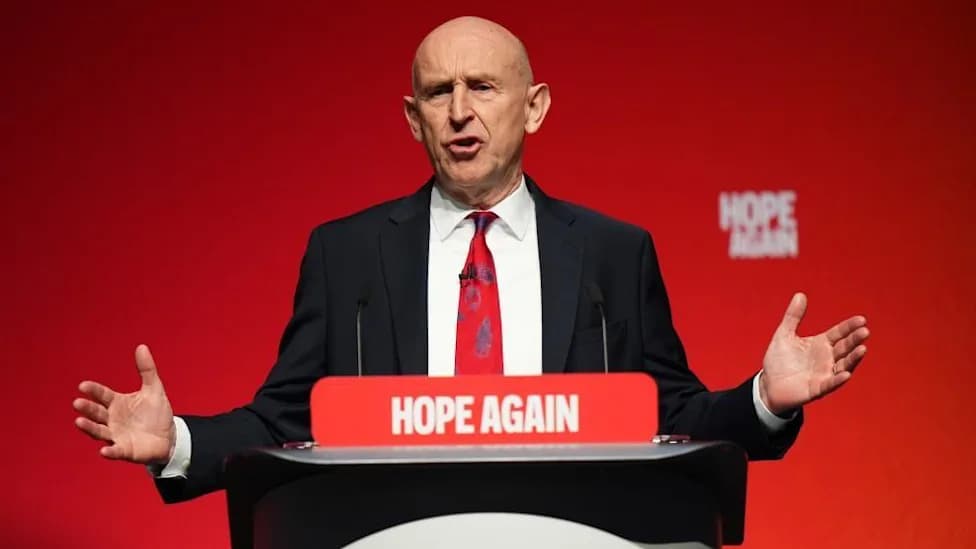
Jenrick said Reform will not pretend the plans are painless [Getty Images]
Reform UK says it would fundamentally remake the UK welfare system if it took office, claiming the package could deliver more than £50 billion in savings, treasury spokesman Robert Jenrick wrote in The Telegraph.
Jenrick described the existing system as a "moral and economic catastrophe" and set out proposals he says would substantially reduce public spending on disability and sickness-related benefits while redirecting support into treatment and employment services.
Key Proposals
Reform UK's blueprint — due to be published as a 50-page plan — includes:
- Reforms to the disability programme that Reform UK estimates could save about £22bn, with nearly three million claimants seeing payments modified or withdrawn after reassessment.
- Investment in talking therapies, physiotherapy and employment support to help people move off health-related Universal Credit (UC) and Personal Independence Payment (PIP).
- The removal of cash payments for people the party terms as having "lower-level conditions," replacing direct payments with needs-based accounts run by local councils or metro mayors to cover items such as transport or equipment.
- A new return-to-work insurance/cover to give employers a stronger economic incentive to support staff back into work after sickness absence.
- A single, rigorous, in-person disability needs assessment for claimants who have not returned to work after two years, intended to identify unsuitable or fraudulent claims.
- A regularly reviewed payment stream reserved for those judged to be "gravely ill and severely challenged."
Numbers and Scope
Jenrick estimates that after reassessments, roughly 2.16 million claimants would retain their full cash entitlement while about 2.89 million would have payments reduced or removed. PIP currently supports around 3.7 million people with long-term physical or mental health conditions in England and Wales. PIP is not means-tested, does not depend on savings or income, and can be paid alongside other benefits.
"We will not pretend this is painless," Jenrick wrote. "Dumping our young people onto welfare isn't compassion; it's neglect."
Political Reaction and Context
The plan is intended, Reform UK says, to protect the state pension triple lock by cutting the overall benefits bill. Labour dismissed the proposals as "fantasy economics," arguing the package would strip support from disabled people and shift costs onto employers. A Labour spokeswoman contrasted Reform UK's figures with what she described as the government's "credible, independently-costed savings."
Reform UK also criticised the Conservative Party's welfare proposals as "paper thin," saying their package would save more than double the £23bn the Tories have claimed. The Conservatives have proposed measures including restricting some benefits to UK citizens, limiting access to sickness benefits for less serious mental health conditions, and reforming the household benefit cap so PIP recipients would no longer be an automatic exemption.
Separately, an interim report by Disability Minister Sir Stephen Timms — stemming from a review of PIP — concluded the benefit was "not fit for purpose" and in need of fundamental change. Earlier changes to UC already halved the health-related element for new claimants with less severe conditions.
Commentators have pointed to rising claims linked to conditions such as ADHD and to think-tank warnings that an "emergency handbrake" may be required to control sickness-related spending, underscoring the political sensitivities around tightening assessments and benefit rules.
What Would Change For Claimants? The proposed reforms would shift some forms of support away from unconditional cash payments toward local provision and treatment-led interventions, introduce stricter in-person reassessments for long-term claimants, and create new employer-focused incentives to support return to work.
Next Steps Reform UK's full 50-page plan is expected to be published on Monday. If implemented, the proposals would trigger wide-ranging debate about welfare policy, the balance between fiscal savings and social protection, and how to assess and support people with long-term health conditions.
Help us improve.