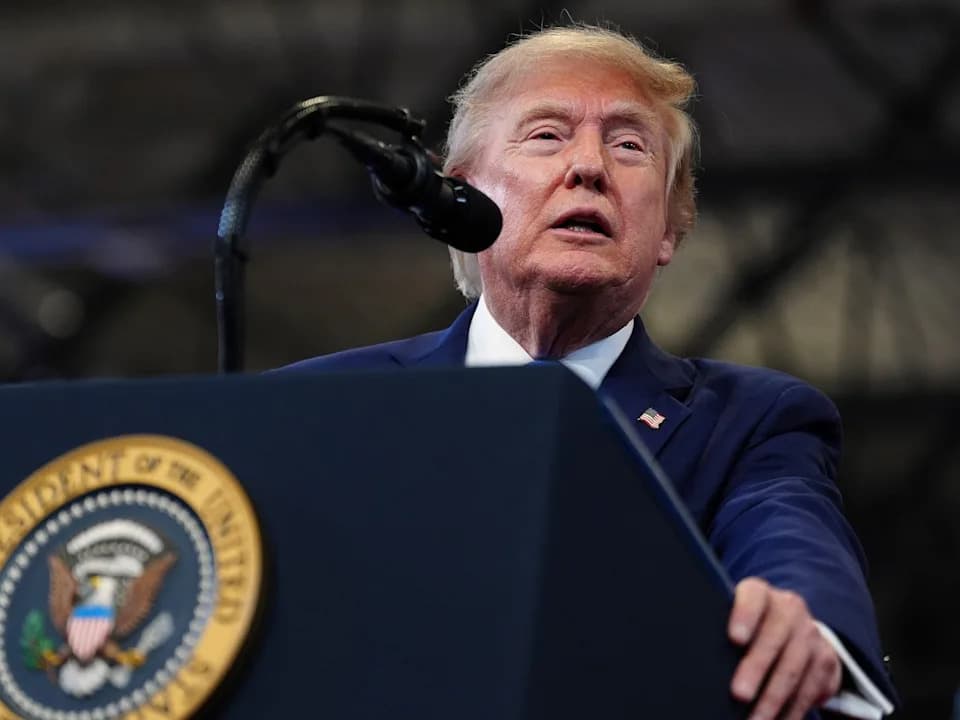
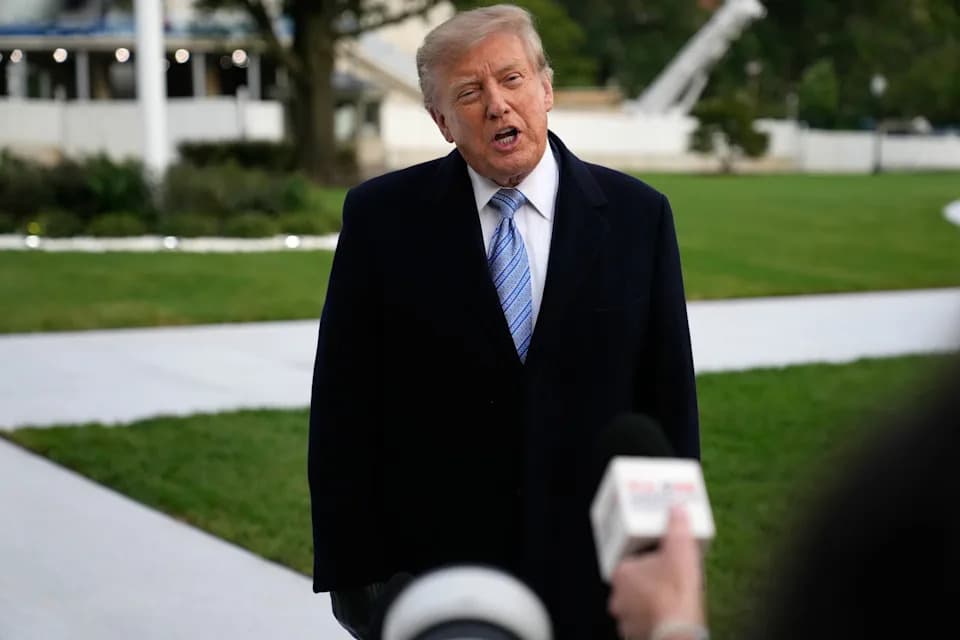
President Donald Trump announced on Feb. 28 that the United States had launched "major combat operations" against Iran alongside Israeli partners, saying joint strikes targeted Iranian military, government and infrastructure sites. He later vowed that, after Iran's defeat, he would declare the Strait of Hormuz a U.S. territory — comments that drew swift rejection from Iranian officials and regional actors.
Negotiations Amid Violence
Delegations from Washington and Tehran opened talks in June aimed at negotiating an end to hostilities based on a memorandum of understanding both sides had signed. Despite those talks, exchanges of strikes have continued, with the strategically vital Strait of Hormuz remaining the primary flashpoint.
Regional Violence and Civilian Toll
At least nine people were reported killed and 11 wounded after Israeli airstrikes hit two towns in southern Lebanon, the Lebanese Ministry of Health said. Seven people were killed and two wounded in Ansar, among them three children and two women. A separate strike in Der al-Zahrani left two dead and nine injured.
The Israel Defense Forces said the strikes targeted "terror infrastructure" and were carried out in response to Hezbollah actions against Israeli soldiers. In turn, Lebanon's prime minister and president condemned the strikes as violations that undermine stabilization efforts and negotiations. Israel has said it will remain in southern Lebanon until Hezbollah is disarmed.
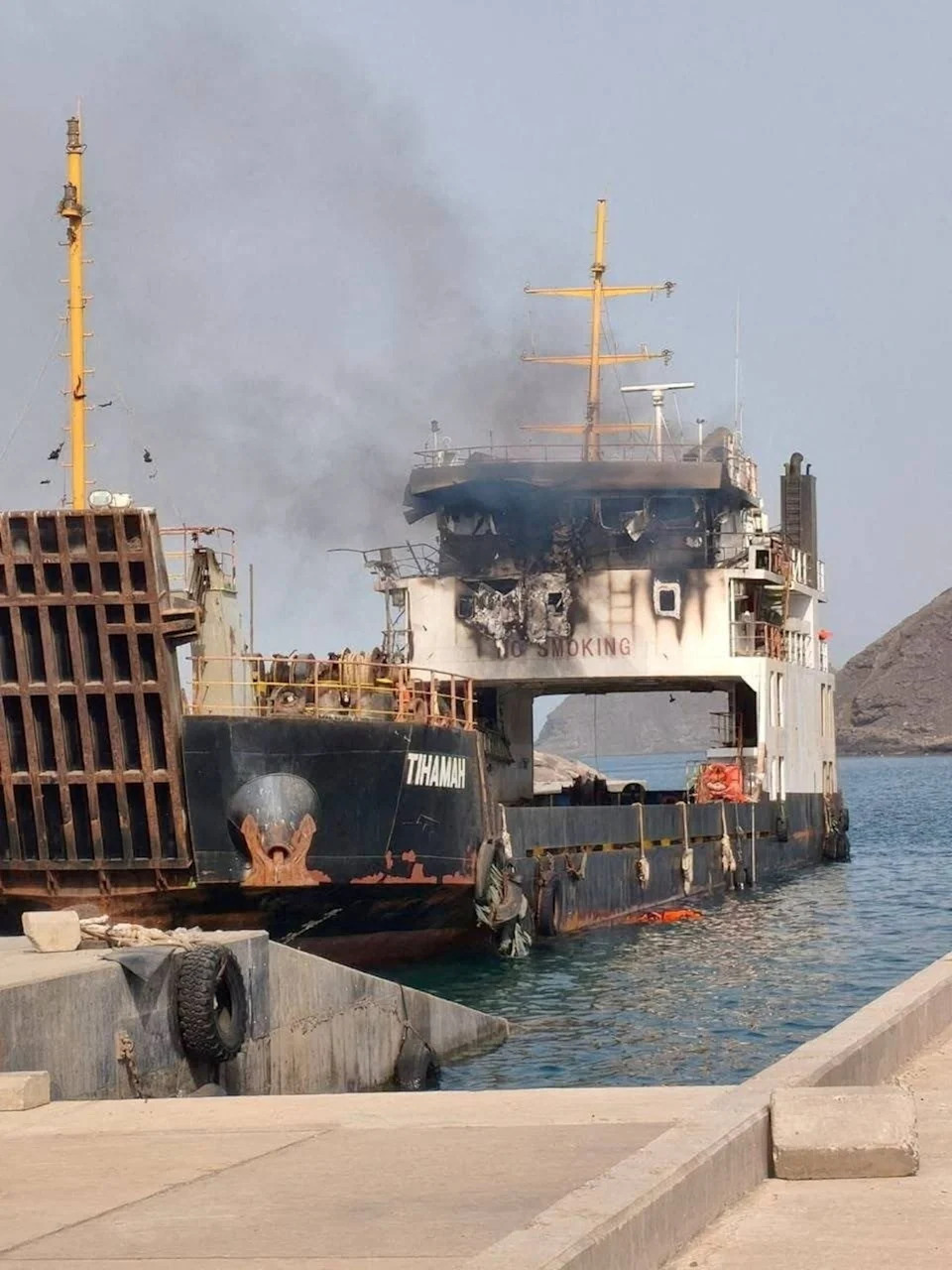
Media Office Of The Ministry Of /via Reuters - PHOTO: Damage is pictured on the cargo vessel Tihamah near Murad, Yemen, on Aug. 11, 2026.
Maritime Incidents and International Warnings
The United Arab Emirates condemned a recent attack on a vessel transiting the Strait of Hormuz, calling it a "hostile Iranian attack" on a ship linked to the Abu Dhabi National Oil Company (ADNOC). ADNOC confirmed the incident occurred Friday evening and reported no injuries; two other ADNOC-linked ships were targeted earlier.
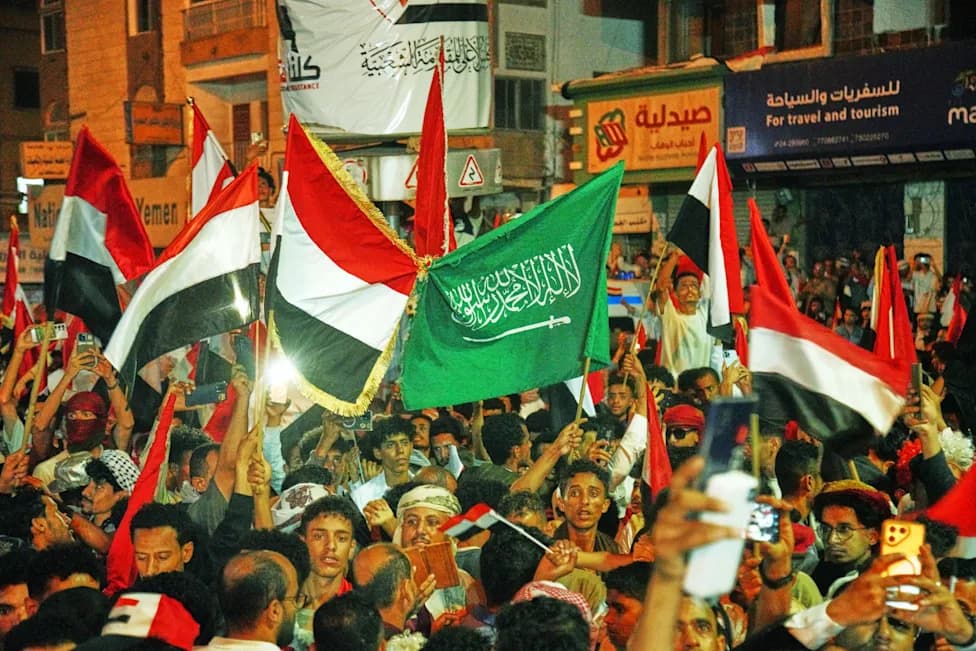
The International Maritime Organization's secretary-general also condemned deadly attacks on a cargo vessel off the coast of Yemen, where at least six people were killed in strikes on the Egyptian-owned Tihamah. The Iran-aligned Houthi rebels claimed responsibility for targeting what they described as a Saudi military equipment transport ship. The IMO warned continued attacks threaten global supply chains and urged shipowners to reassess risks and follow best practices.
Official Reactions And Rhetoric
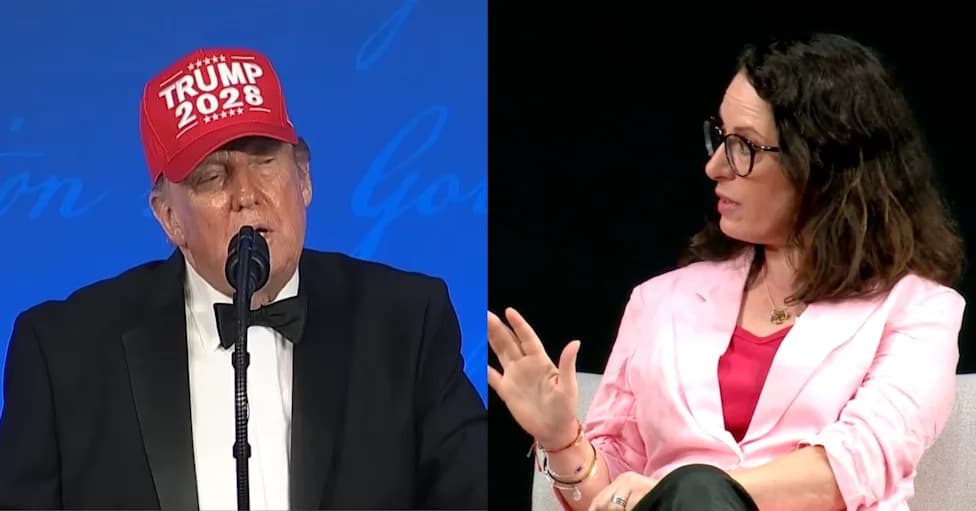
President Trump repeatedly praised the U.S. naval blockade in the Strait of Hormuz — reinstated in July after the collapse of the earlier memorandum of understanding — calling it "a wall of steel" and asserting U.S. control over the waterway. At a Nassau, New York event, he said: "Pretty soon I'll be declaring the Hormuz Strait a territory of the United States." He also urged Americans to accept modestly higher gasoline prices as part of the cost of diminishing the Iranian threat.
Kazem Gharibabadi, Iran's deputy foreign minister for legal and international affairs, responded on social media: "The Strait of Hormuz cannot be seized by tweet, nor by aircraft carrier, nor by issuing an order... The Strait of Hormuz has been Iranian, is Iranian, and will remain Iranian."
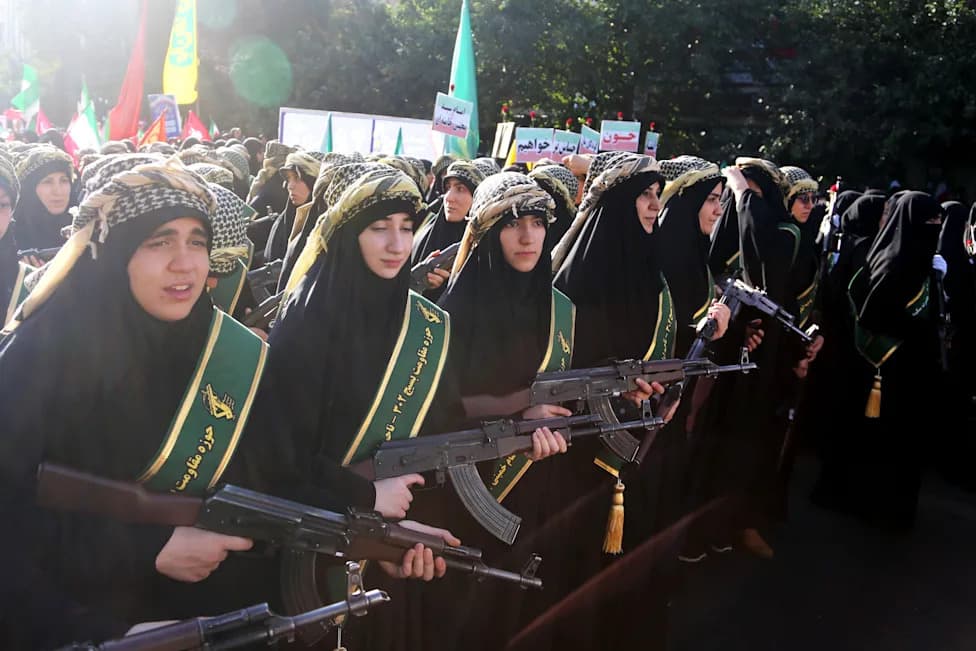
The Islamic Revolutionary Guard Corps (IRGC) likewise asserted that no commercial vessel may transit the strait without Iran's permission. The newly formed Persian Gulf Strait Authority (PGSA) said social media claims that the strait was open do not reflect reality and that it would remain blocked until Iran's conditions were met. Iranian Foreign Minister Abbas Araghchi suggested U.S. intelligence failures had led to miscalculations in the conflict.
Outlook
Diplomatic negotiations continue even as strikes and maritime attacks persist, keeping regional tensions high. International maritime and diplomatic bodies warn that further attacks on shipping could widen the crisis and disrupt global trade.