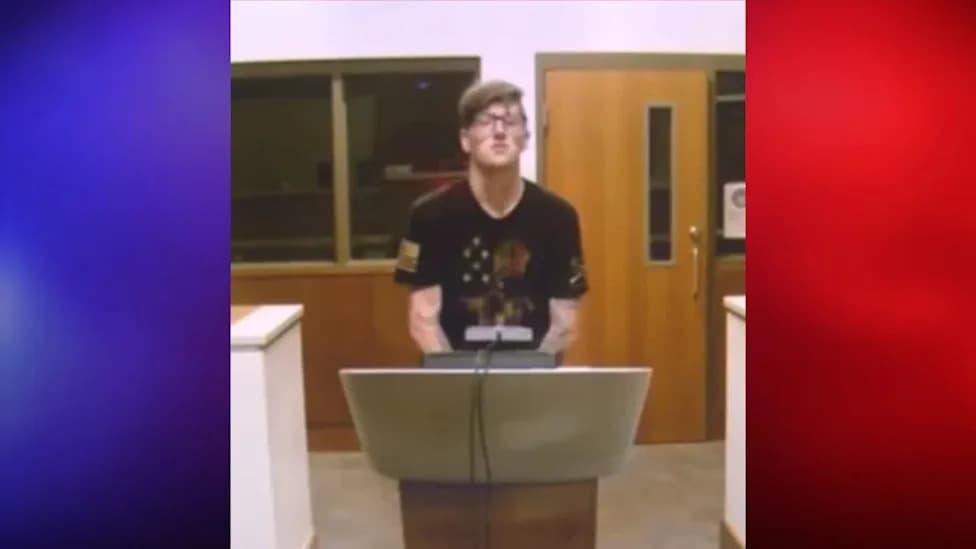
The night before his wedding, 33-year-old Tyler Weber was arrested in Mitchell, Nebraska, after a 19-year-old woman who had helped plan the ceremony alleged he sexually assaulted her during an unplanned overnight stay. Investigators report a rape kit produced mixed DNA profiles and that a Y-STR analysis reportedly matched Weber; he faces charges of first-degree sexual assault and first-degree false imprisonment. Weber has not been convicted. The case highlights how informal, late-night wedding gatherings can lack basic safety planning and suggests simple steps hosts and guests can take to reduce risk.
Nebraska Groom Arrested After Woman Who Helped Plan His Wedding Alleges Assault During Overnight Stay
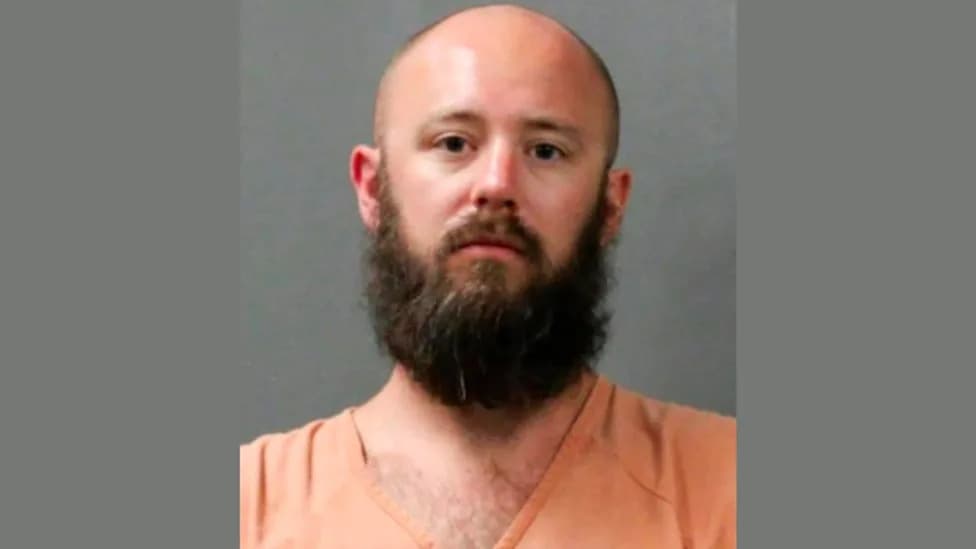
Groom Accused of Sexually Assaulting Woman
Choosing to "just stay over" after a late-night gathering is a common decision when driving home feels unsafe. A criminal case out of Mitchell, Nebraska, highlights how that casual choice can lead to a vulnerable, unplanned situation—and, investigators say, to an alleged sexual assault.
What Authorities Say Happened
Police say 33-year-old Tyler Weber became the subject of a criminal investigation the night before his wedding after a 19-year-old woman who had helped plan the ceremony remained at his home. Local reporting from WOWT 6 News states the woman stayed because she felt too intoxicated to drive and had asked to borrow clothing.
According to deputies, after other guests left Weber followed the woman upstairs, grabbed her wrist and moved her to a couch. The woman repeatedly told him "No," and reportedly tried to text her husband that "bad things were happening." Around 5:30 a.m., Weber's fiancée came downstairs and found Weber and the woman together, investigators say.
Charges and Forensic Testing
Weber was arrested and charged with first-degree sexual assault and first-degree false imprisonment; bond was set at $215,000. Reporting indicates a rape examination produced a swab containing two distinct DNA profiles. Investigators obtained Weber's DNA via warrant; an initial test did not exclude him, and a later Y-STR analysis—a method that traces the male line—reportedly matched his sample. Those reported results preceded his arrest.
Important legal note: Weber has not been convicted. The charges are allegations, and public reporting does not indicate whether he has entered a plea or issued a public statement contesting the accusations.

Image Credit: Andrew Lozovyi via Depositphotos
Why This Situation Resonates
A separate Pennsylvania case involving similar reported circumstances (an October 2025 wedding; defendant Zachary Prouty, 38) has drawn comparisons in reporting after police said DNA matched and charges followed. That case is legally unrelated but helps explain why the Nebraska allegations may feel familiar: both involve informal, late-night gatherings where guests assumed spaces and people they trusted would protect them.
Wedding weekends and rehearsal dinners often receive detailed logistical planning for ceremonies and receptions, but the informal, late-night moments usually do not. Those unstructured hours—alcohol, private homes, thinning guest lists and few boundaries—can create risk without malicious intent by anyone beforehand.
Practical Safety Steps
Simple, nonconfrontational measures can reduce risk at overnight gatherings: agree in advance who may stay, identify and prepare a clear sleeping area, assign a sober point person or rotation for check-ins, and confirm safe transportation options home. These steps do not imply distrust; they add predictable structure to moments that can otherwise become improvised and risky.
What happened in Mitchell is now a matter for the courts. Reporting continues, and readers should remember that forensic testing and charges do not equal conviction. The broader takeaway is practical: plan the unplanned parts of celebrations so guests can stay safe.
Image credit: Andrew Lozovyi via Depositphotos
Help us improve.