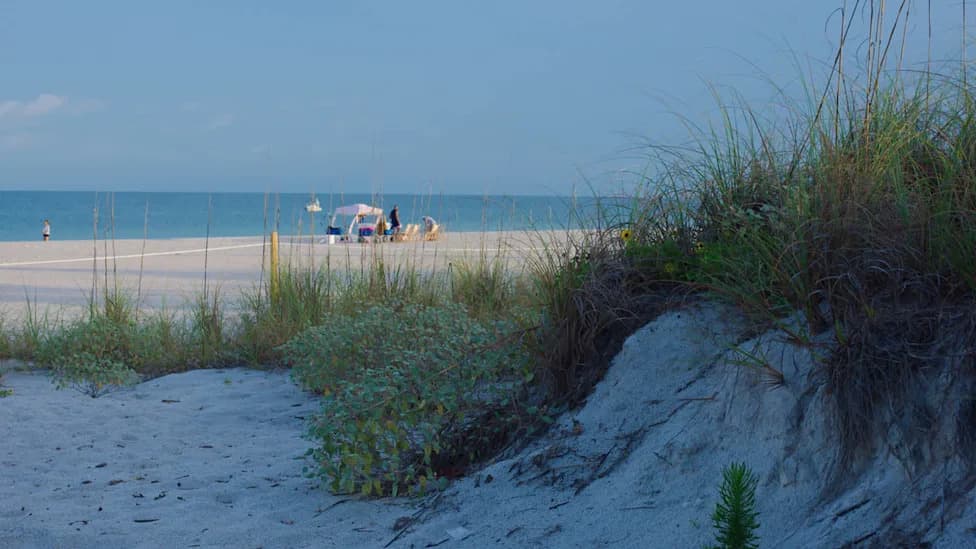
In late April, beachgoers on St. Pete Beach in Pinellas County, Florida, discovered roughly 1,500 pesticide-filled mothballs scattered across white sand where black skimmers were attempting to nest. The discovery alarmed conservationists and public-health officials because mothballs typically contain toxic compounds such as naphthalene or paradichlorobenzene that can harm wildlife and pose risks to children.
Charges and Investigation
Authorities say investigators used surveillance video, purchase receipts, cellphone data, and text messages to identify two local business owners: Christopher Monroe, who owns and manages Chris' Beachside bar, and Robert Czyszczon, owner of the Plaza Beach Hotel. The Florida Fish and Wildlife Conservation Commission (FWC) alleges the pair deliberately spread the mothballs to frighten away black skimmers that were "attempting to establish a nesting colony." Officials recovered an initial 1,000 mothballs and later removed another 500 that appeared overnight.
Both men have been charged with third-degree felonies for illegal dumping and face up to five years in prison, a $5,000 fine, and up to five years of probation if convicted. They were also charged with misdemeanors described by the FWC as the "attempted take of a state-listed imperiled species by harassment." Investigators executed search warrants, seized phones, and reviewed digital evidence as part of the probe. Authorities cited a text message in which one of the men allegedly wrote, "They're the worst birds." Prosecutors say the defendants were concerned that nesting would impede beach access and hurt business revenue.
Environmental and Public Health Concerns
Black skimmers nest directly on sand, making their eggs and chicks especially vulnerable to disturbance. Florida is home to approximately 6,800 black skimmers, with several hundred estimated to nest on Pinellas County beaches. FWC officials warned that delays to nesting or repeated disturbances can prevent chicks from fledging before the end of hurricane season, a scenario that "can wipe out a colony."
Beyond the conservation impact, officials stressed the public-health danger of mothballs left on a busy public beach: children playing in the sand and other wildlife could easily come into contact with the toxic pellets. FWC officers, volunteers, and partner groups acted quickly to remove the mothballs and assess environmental risk.
Why This Matters
Protecting biodiverse coastal ecosystems supports wildlife and the local communities that depend on healthy beaches for recreation and tourism.
As the legal process proceeds, the case has sparked renewed attention to balancing commercial use of shorelines with wildlife protection and public safety.