The article examines a recent siege in Qusra and a broader escalation of settler violence across the occupied West Bank, arguing the Israeli government and security services cannot credibly distance themselves from those attacks. Official condemnations have been met with scepticism as soldiers were reportedly seen alongside settlers and utilities were cut to Palestinian homes. Rights groups and analysts warn that accelerated settlement expansion, political backing from key ministers, and the approaching election increase the risk of further violence.
Qusra Siege and the West Bank: How Settler Violence Exposes State Complicity
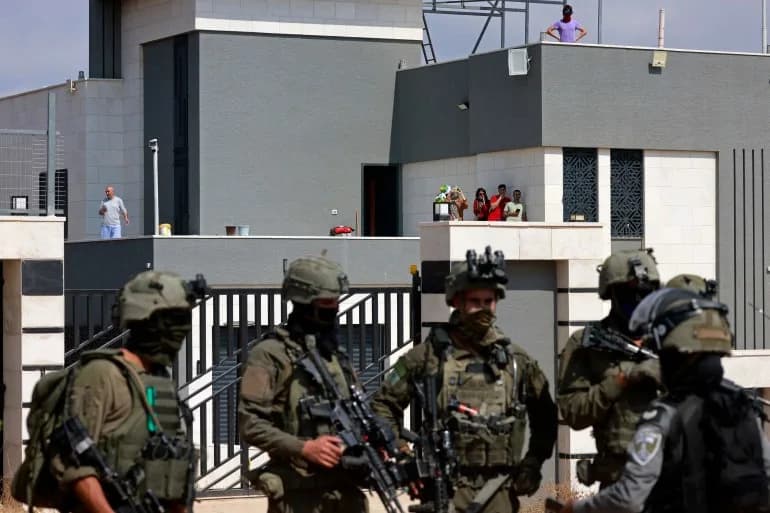
Israeli soldiers stand in front of the entrance of a besieged Palestinian house by Israeli settlers in the village of Qusra, south of Nablus, in the occupied West Bank [AFP]
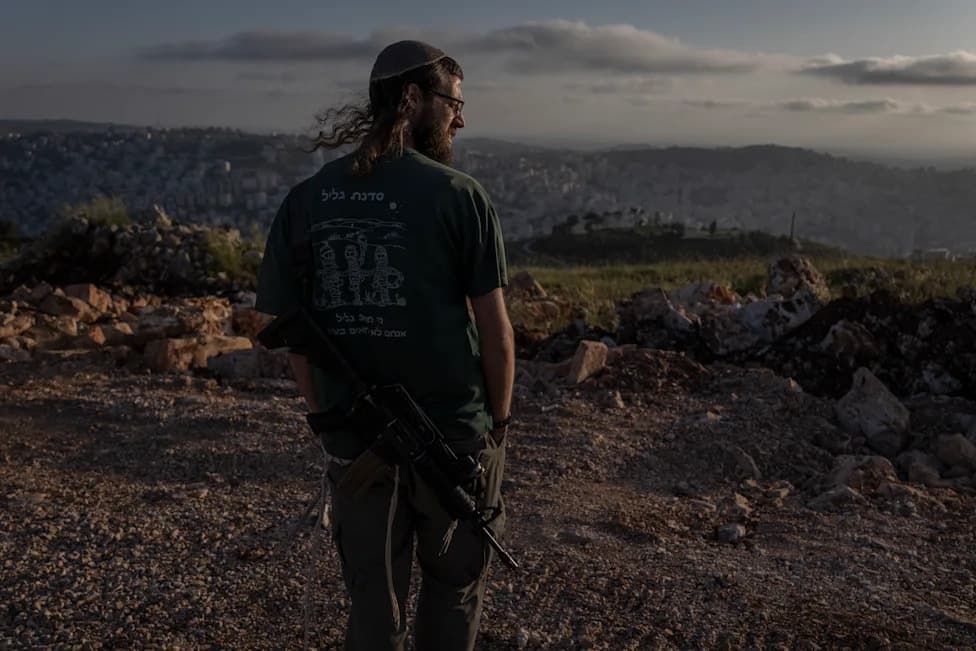
Israeli settlers have intensified attacks across the occupied West Bank in recent months, including a high-profile siege in the village of Qusra, south of Nablus, where three Palestinian households were surrounded and reportedly cut off from water and electricity. A rare government rebuke described the actions as "deplorable" and promised investigations, but analysts, rights groups and some Israeli lawmakers say the response is inadequate and inconsistent with the pattern of state tolerance or facilitation.
What Happened In Qusra
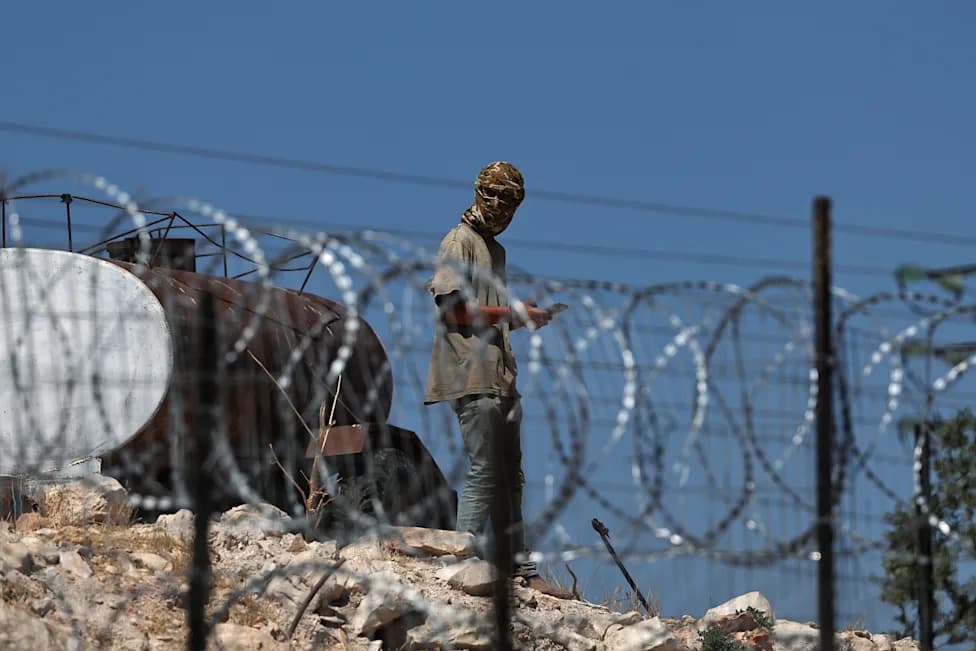
Witnesses and rights groups reported that settlers laid siege to multiple homes in Qusra, cutting utilities and intimidating residents. Early in the incident, Israeli soldiers were observed in proximity to settlers and — according to some accounts — praying alongside them, raising questions about the military's role during the confrontations.
"Government attempts to distance themselves from the violence are ridiculous," said Aida Touma-Sliman, a Hadash member of the Knesset. "They can say what they want, but they're complicit."
Claims Of Complicity
Observers point to a broader pattern in which state institutions, including elements of the security services and political leadership, have failed to prevent settler violence or have actively advanced settlement expansion. Yair Dvir of B'Tselem said the cycle is familiar: temporary withdrawals after international outcry, followed by returns once attention fades. "Let's be clear, settler violence is state violence," he said, arguing both aim to displace Palestinians and seize land.
Politics, Policy And The Run-Up To Elections
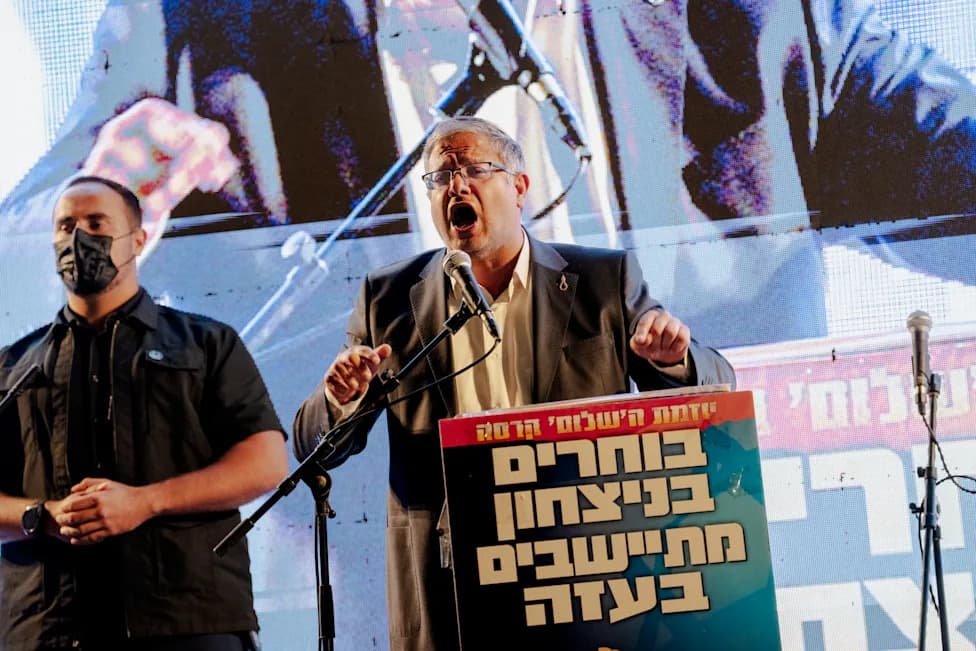
Monitoring by the United Nations Office for the Coordination of Humanitarian Affairs indicates settler attacks have risen in the weeks leading up to Israel's October election. Analysts say the election campaign has galvanised the settler constituency and the radical right, who fear losing influence if the current coalition changes. Prominent ministers in the government, including National Security Minister Itamar Ben-Gvir and Finance Minister Bezalel Smotrich, have championed policies that normalise and accelerate settlement activity.
Smotrich has pushed for administrative control over parts of the West Bank and celebrated projects such as the E1 plan — intended to connect Maale Adumim to East Jerusalem — which critics say would further erode prospects for a two-state solution. Neve Gordon, a professor of international law, warned that responsibility goes beyond a few ministers: effective ethnic cleansing, he said, requires complicity from police, the attorney general, the military and broader public support.
International Legal Context
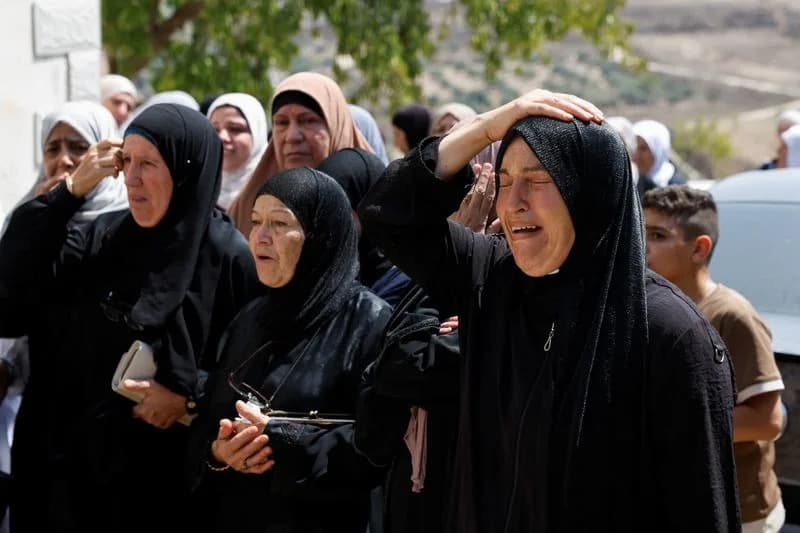
These developments run counter to international law and to the International Court of Justice's calls to halt settlement expansion. Humanitarian and rights organisations warn that the convergence of political encouragement, security-sector passivity and settler actions increases risks for Palestinian civilians across the West Bank, from villages like Qusra to refugee camps such as Jenin.
Israeli soldiers stand at the entrance of a Palestinian house besieged by settlers in Qusra, south of Nablus, in the occupied West Bank [AFP]
What To Watch: whether promised investigations result in arrests and prosecutions, whether UN and international scrutiny leads to sustained pressure, and how the October election reshapes political incentives that may either curb or embolden further violence and settlement expansion.
Help us improve.