Two undersea cables connecting Australia experienced shunt faults this week, with Subco reporting the faults occurred close together and noting suspicious vessel activity nearby. Investigators are considering both accidental causes (anchors, marine life) and deliberate sabotage; experts point to past incidents when suggesting state actors could be involved. Fragmented ownership by private firms and international consortia complicates responsibility for repairs, and authorities including the Australian Federal Police are reviewing the evidence.
Two Undersea Internet Cables Near Australia Suffer Faults; Investigators Probe Possible Sabotage
Christoph Burgstedt/Getty Images
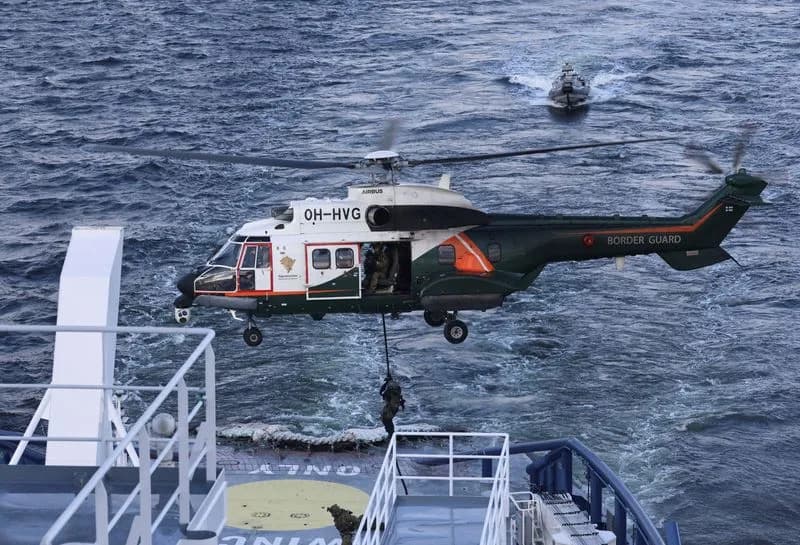
Two subsea internet cables linking Australia to the global internet experienced electrical "shunt faults" within a short time frame, prompting concern among operators and national security experts. Subco, the manager of the affected lines, said the two faults occurred in close proximity and reported "suspicious/coincidental activity from a vessel" around the same time.
What Happened
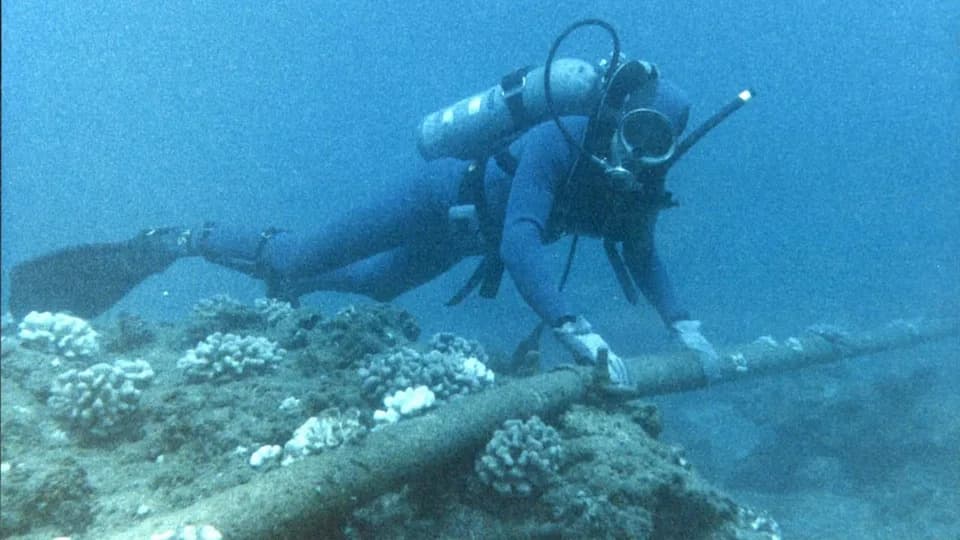
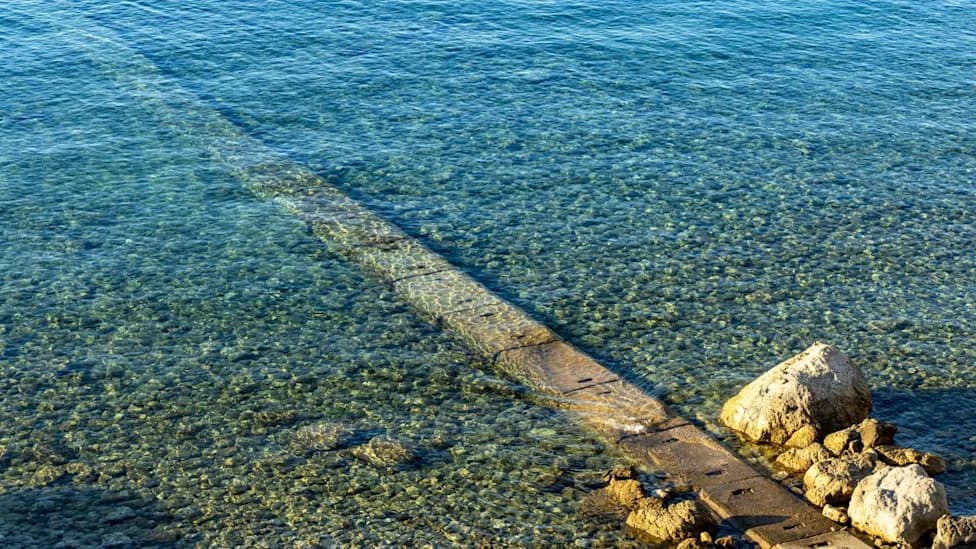
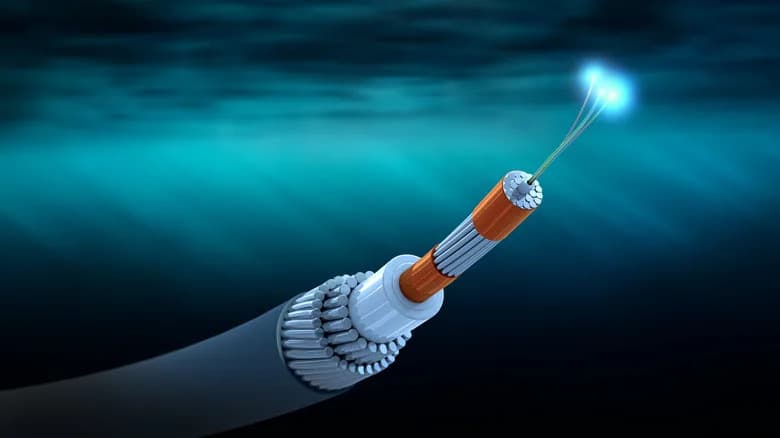
Engineers describe a shunt fault as a short circuit caused by damage to a cable's insulation. When insulation is breached, seawater can create an electrical path that interrupts signal transmission. The two affected segments are routed through Australian waters designated as a cable protection zone, and the faults were detected earlier this week.
Possible Causes
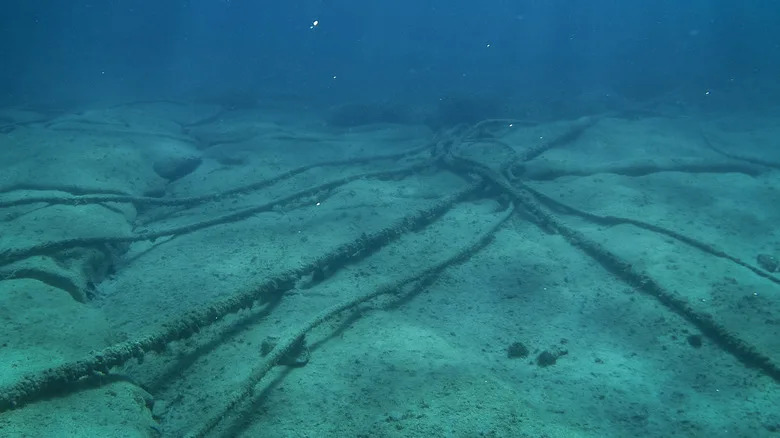
Investigators are weighing both accidental and deliberate explanations. Accidental damage can be caused by ship anchors, dredging equipment, or even marine life — sharks have been observed biting cables, likely attracted by electromagnetic signatures. At the same time, the coincidence of two faults close together and reported vessel activity has fueled speculation that the damage could be intentional.
Sybille Reuter /Getty Images
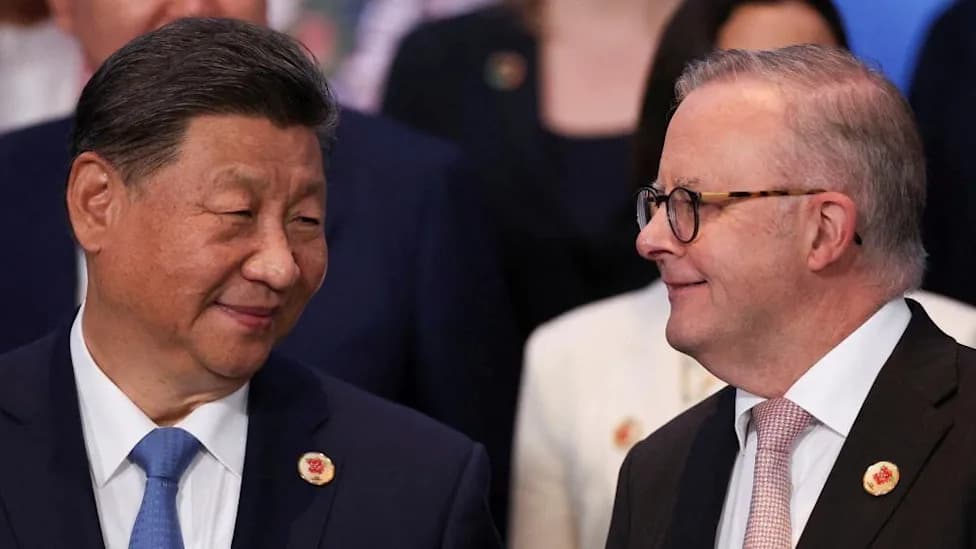
"We don't know who sliced the cables, or if anyone did," said Dr. David Brewster, senior researcher at the National Security College at the Australian National University. He added that prior incidents over the past four years make state actors such as Russia or China plausible suspects if sabotage is confirmed.
Ownership, Repairs and Jurisdiction
Although the faults occurred in Australian waters, many undersea systems are owned or financed by private companies and international consortia. Dr. Brewster noted that major U.S. tech firms — including Meta, Google and Amazon — operate some systems that transit the region. Even when a company like Subco is listed as an owner or manager on paper, responsibility for security, maintenance and repair typically involves multiple private owners and public authorities, which can complicate rapid response and forensic work.
Investigation and Implications
Australian authorities, industry stakeholders and outside experts are monitoring the situation closely. The Australian Federal Police told Tom's Hardware they are reviewing information and will comment when they can. Any prolonged disruption to Australia's international connectivity — the country routes traffic through roughly 16 undersea cables — would have economic and social consequences, underscoring why operators and governments are treating the event with urgency.
What Comes Next: Forensic inspections, seabed surveys and vessel-tracking data will be central to determining whether the faults were accidental or deliberate. Repairing damaged fibre typically requires cable ships, which can take days to mobilise and longer if jurisdictional or ownership questions delay access.
Help us improve.