
A powerful 7.4-magnitude earthquake struck western Colombia, impacting cities including Cali and Pereira and remote areas of Chocó. Officials report more than 280 dead, thousands injured and nearly 11,000 homes destroyed; rescue teams have saved nearly 350 people but hundreds remain missing. Humanitarian groups and the government are coordinating relief—experts urge cash donations for speed and flexibility—and multiple international and local organizations are accepting donations.
How to Help After Colombia’s Devastating 7.4 Earthquake — Where to Give and What’s Needed
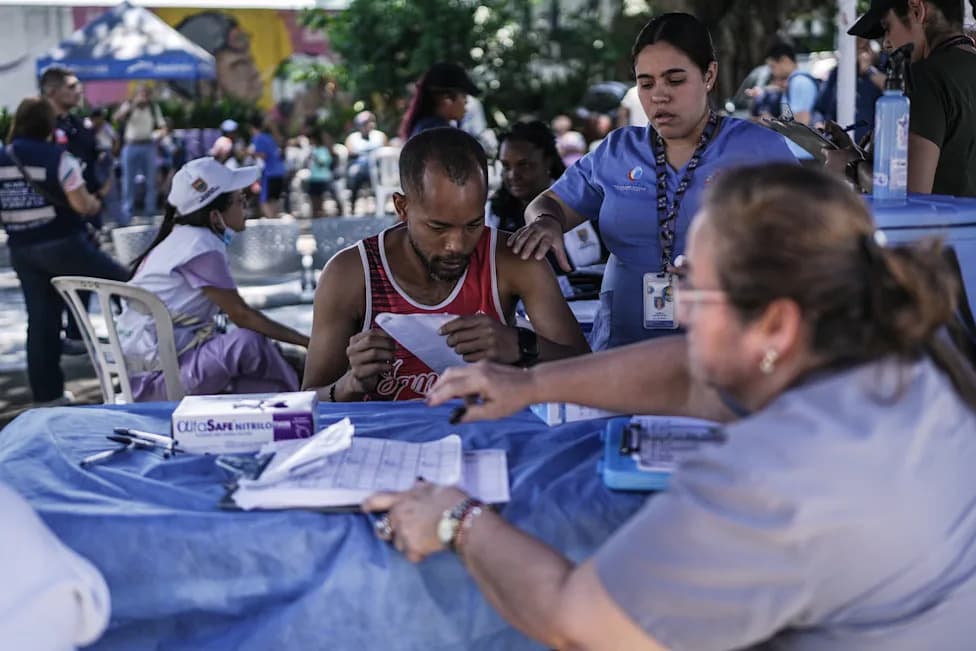
Health workers treat people affected by the earthquake three days after it hit Cali, Colombia, Thursday, Aug. 13, 2026. (AP Photo/Ivan Valencia)(AP Photo/Ivan Valencia)
Just weeks after twin earthquakes in Venezuela, a powerful 7.4-magnitude quake struck western Colombia on Monday, producing widespread damage from urban centers such as Cali and Pereira to remote mountain communities in the department of Chocó. Authorities reported hundreds of lives lost, thousands injured and many homes destroyed; rescue teams continue to search for survivors and care for displaced families.
Impact and current situation
The earthquake affected a broad, geographically diverse area. By Thursday evening, official tallies indicated more than 280 dead, thousands injured and nearly 11,000 dwellings destroyed. Rescue teams have pulled almost 350 people from rubble, while hundreds remain unaccounted for. The most severely hit areas include remote parts of Chocó, where limited access and challenging terrain complicate relief operations.
Government and humanitarian response
Colombian authorities have pledged a strong response and are coordinating with national and local agencies. Humanitarian organizations are also mobilizing to provide shelter, food, medical care and psychosocial support. Responders emphasize that strong institutions help coordination but do not eliminate urgent humanitarian needs—especially in underserved and isolated communities.
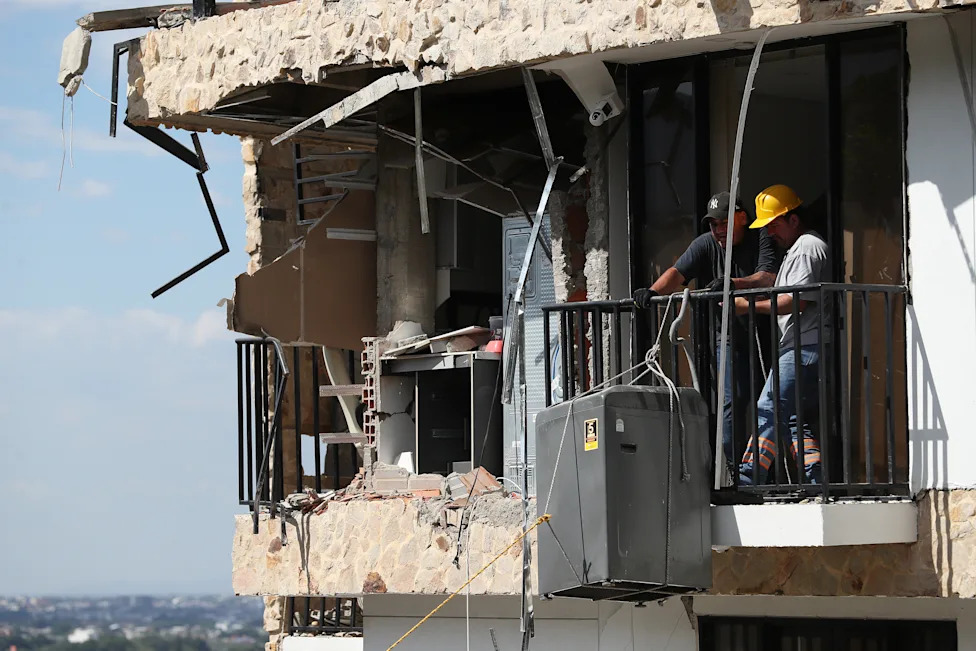
People remove a washing machine from an earthquake-damaged home three days after a quake hit Cali, Colombia, Thursday, Aug. 13, 2026. (AP Photo/Santiago Saldarriaga)(AP Photo/Santiago Saldarriaga)
“Institutional capacity does not remove the humanitarian need,” said Catalina Vargas, Colombia country director for CARE. “Access remains the binding constraint regardless of the strength of national institutions.”
How to help — best practices
Cash donations are the most effective and flexible way to help. Cash lets relief agencies prioritize urgent needs, buy appropriate local goods and support recovery without burdening logistics. Donors should give through reputable organizations and verify official donation pages.
Avoid sending unsolicited goods. Unrequested product donations can overwhelm local storage and divert responders from lifesaving tasks.
Organizations accepting donations
Below are organizations active in the response and ways they are helping. Donate via each organization’s official website or trusted fundraising page.
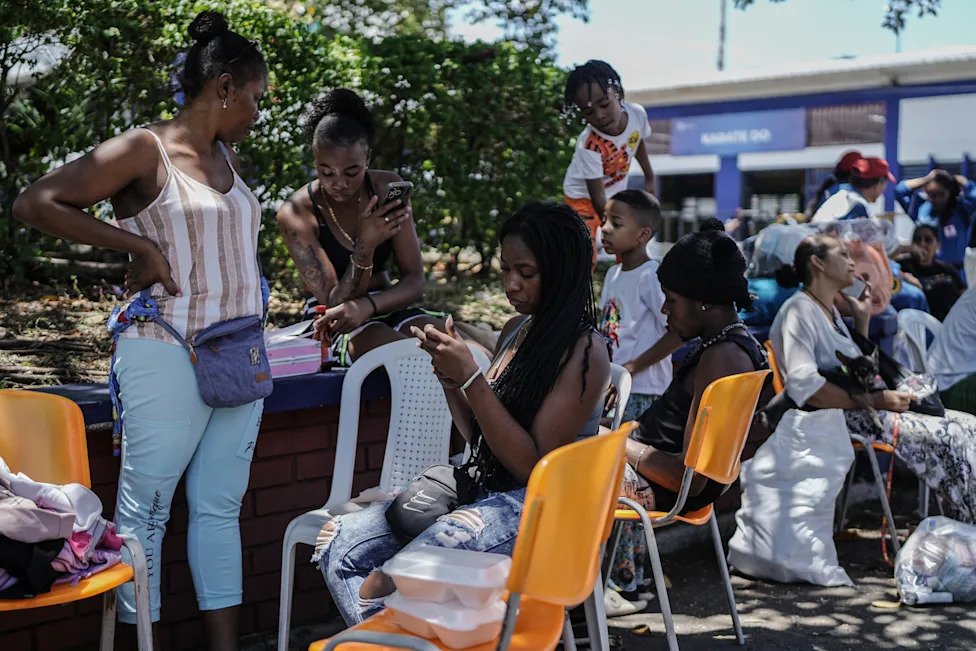
People affected by the earthquake wait for treatment at a health post three days after it hit Cali, Colombia, Thursday, Aug. 13, 2026. (AP Photo/Ivan Valencia)(AP Photo/Ivan Valencia)
- All Hands And Hearts — Providing search-and-rescue equipment (jackhammers, pickaxes), blankets and rehydration supplies; supporting local fire departments and recovery teams.
- CARE — Longstanding presence in Colombia; delivering food assistance via cash/vouchers, emergency care packages, and protection and psychosocial support for families.
- Direct Relief — Funding and equipping medical teams on the ground; shipping requested medicines and health supplies.
- GEM — Coordinating with local partners to distribute essential kits with food, water and hygiene items.
- Operation Blessing — Supplying food, clean water and solar lanterns for displaced families.
- Save The Children — Providing psychosocial support and establishing child-friendly spaces in affected communities.
- World Central Kitchen — Delivering meals and water to displaced people, first responders and volunteers, including remote mountain settlements.
Local organizations and notes on donations
- Abaco Colombia — Network of 26 food banks distributing food across impacted regions (online donations accepted; some payment portals request passport numbers).
- Cruz Roja Colombiana — Conducting search and rescue, medical care and psychosocial support (online donations accepted; payment processor may require passport information).
- Fundación Solidaridad por Colombia — Partnering with GEM to deliver relief in Pereira and other locations (accepts PayPal).
- Fundación Semillas de Oportunidades — Based in Quibdó, Chocó; supports families via youth programs (accepts PayPal).
- Manos Visibles — Working to restore homes in Buenaventura; accepts online donations (payment processor may require passport number).
- Presentes Corporation — Partnered with Give To Colombia to raise funds for the “Colombia Se Levanta” (Colombia Rises) fund.
- Refugio Huellas de Amor (Pereira) and Huellitas Callejeras (Barranquilla) — Supporting rescue animals and sending veterinary supplies (accept PayPal).
Fundraising events and how to donate
An international benefit concert for Venezuela and Colombia took place on Aug. 16 at Miami’s Kaseya Center, featuring Latin artists such as Marc Anthony, Luis Fonsi, Chayanne and others. Viewers were able to donate via on-screen QR codes, by texting UNIDOS to 707070 or visiting univision.org during the broadcast; proceeds supported All Hands And Hearts, CARE, GEM, TECHO and World Central Kitchen.
Safety and verification
Before donating, verify charity pages and official donation channels. Beware of unsolicited fundraising appeals on social media. If a local donation portal requests passport information, confirm the request is legitimate and necessary for international payment processing.
If you can help, prioritize cash donations through reputable humanitarian organizations to ensure aid reaches affected people quickly and where it’s most needed.
Associated Press staff reporting contributed to this article. For more philanthropy and nonprofit coverage from AP, visit https://apnews.com/hub/philanthropy.
Help us improve.





















