Nonprofit early-childhood centers are piloting employer-provided housing to address unaffordable rents and staffing instability. Friends Center for Children in New Haven launched its program in 2020 and now houses 10 teachers, partnering with Yale architecture students to build several homes. Pilot programs in St. Louis, Battle Creek (MI) and Georgia are adapting the model, but leaders stress housing is a stabilizing stopgap, not a replacement for systemic pay and funding reforms.
How Early-Childhood Centers Are Using Free Housing to Stabilize Their Workforce

A few years ago, Eric Gil lived with extended family in Waterbury, Connecticut, sharing a bedroom with his brother and cousin. Rent in Waterbury now averages about $1,600 a month, and housing near New Haven — where Gil works as an assistant preschool teacher at Friends Center for Children — is even more expensive. "I was looking everywhere," Gil recalled. "It was out of my budget. It was like, for monthly rent, 40% of my monthly income. It was outrageous, basically."
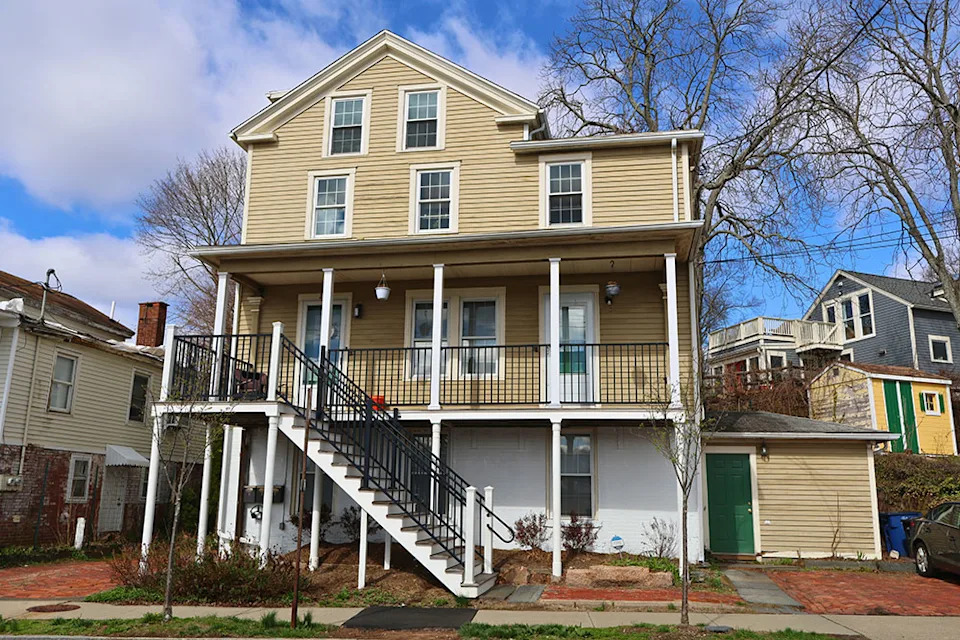
Friends Center for Children kicked off its teacher housing initiative in 2020, when a single teacher with three young kids moved into a three-family home. (Photo courtesy of Friends Center for Children)
Early-childhood educators are among the lowest-paid workers in the United States, and many face unaffordable housing costs that strain their personal lives and their ability to remain in the profession. Short of a large-scale funding overhaul, some programs are experimenting with another approach: providing free or employer-subsidized housing to select staff.
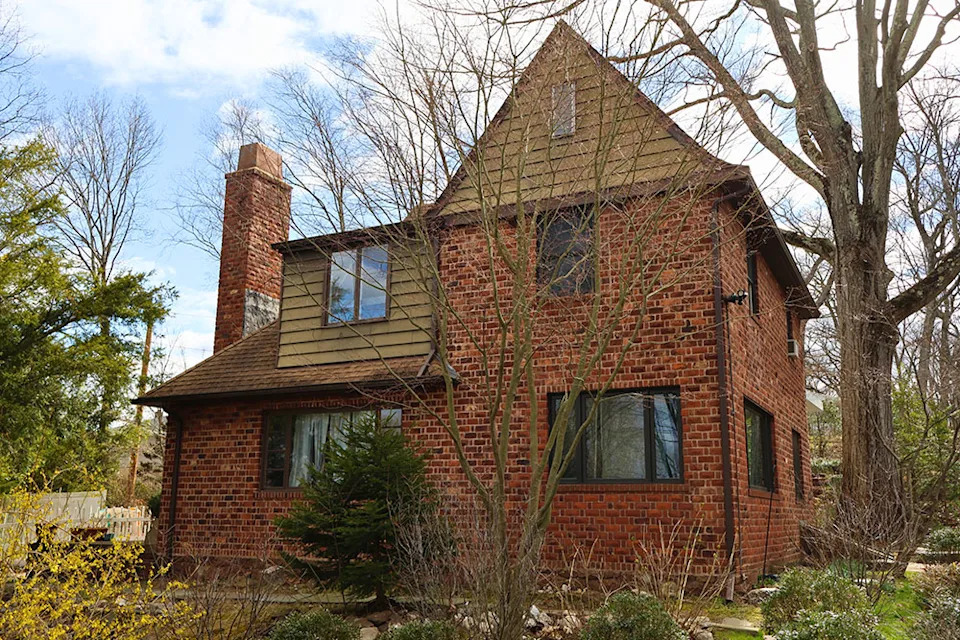
Paris Pierce, a single mom with three children, is among the 10 teachers at Friends Center who currently live in free housing. (Photo courtesy of Friends Center for Children)
Friends Center’s Experiment
Friends Center for Children, a nonprofit with four locations across New Haven, launched a teacher-housing initiative in 2020. What began with donated properties — a three-family house and a single-family house that created four units — has grown to house 10 teachers, with two more expected to move in this fall. Friends Center employs roughly 47 teachers and has set a target of housing 30% of its staff by 2028, with plans to double its housing inventory over the next three years.
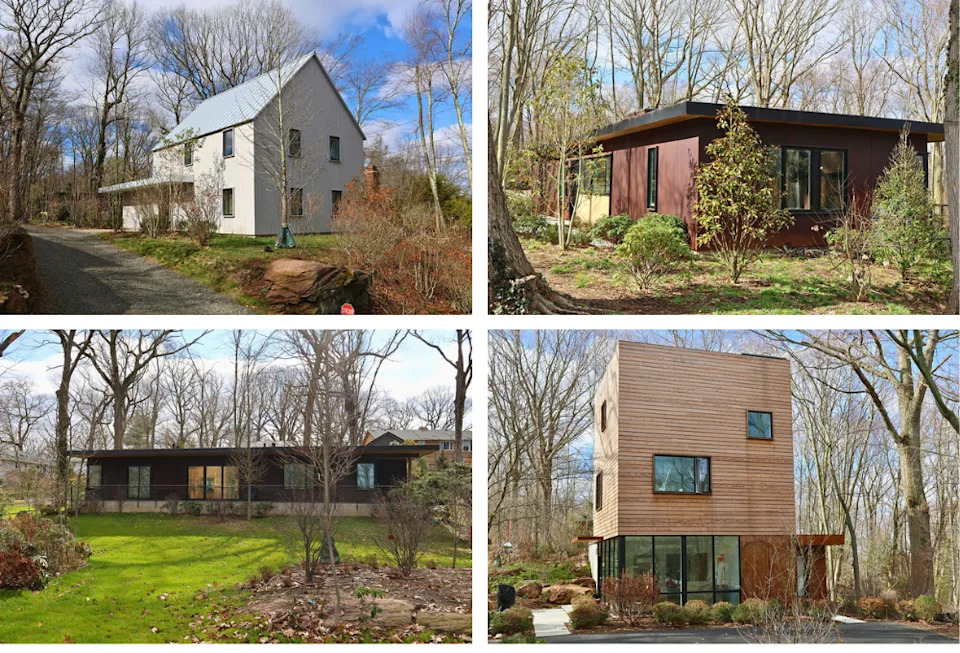
Through a partnership with the nearby Yale School of Architecture, many Friends Center teachers now live as neighbors in homes built by Yale students, in an area known as "the Village." (Photos courtesy of Friends Center for Children)
The program combines donated properties, direct purchases and a partnership with the Yale School of Architecture, where students design and build roughly one home per year for an early-education teacher. Many of the Yale-built homes sit on land donated to the initiative; although the homes have market values around $750,000, Friends Center acquired several for roughly $300,000. All properties are owned by Friends Center, making the nonprofit both employer and landlord for teacher residents.
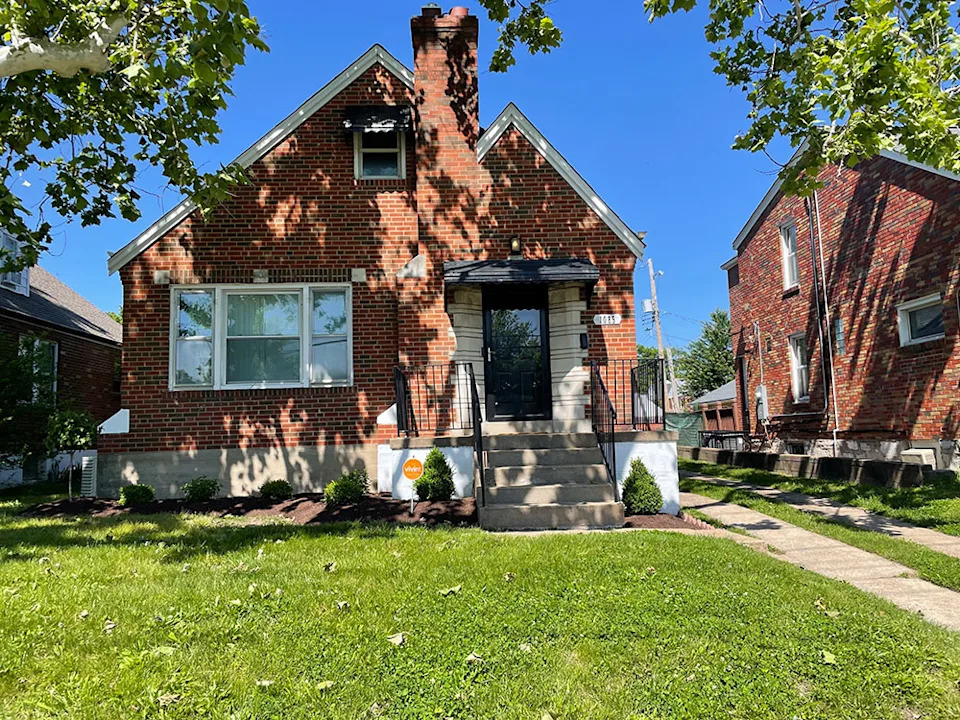
Zarina Militello, an infant-toddler teacher at Urban Sprouts, became the first teacher in her center to receive free employer housing when she moved into a two-bedroom home in April. (Photo courtesy of Urban Sprouts)
Personal Impact
For recipients, the benefit is transformative. Paris Pierce, a single mother housed through the program, said the move gave her children more space, allowed her to enroll two older kids in extracurriculars, and enabled her to pursue a bachelor’s degree to become a lead teacher. Gil, who lives in a Yale-built home with a colleague in a cluster known as "the Village," described roomy interiors and large windows, a short walk to work, and a household built on mutual support.

Jenyne Woodruff, a pre-K teacher at Urban Sprouts, was among the first staff members selected for the center's free housing. (Photo courtesy of Urban Sprouts)
Every teacher who receives housing also meets monthly with a financial coach to set savings goals and improve credit — putting practical tools alongside the housing benefit to help residents build long-term stability.
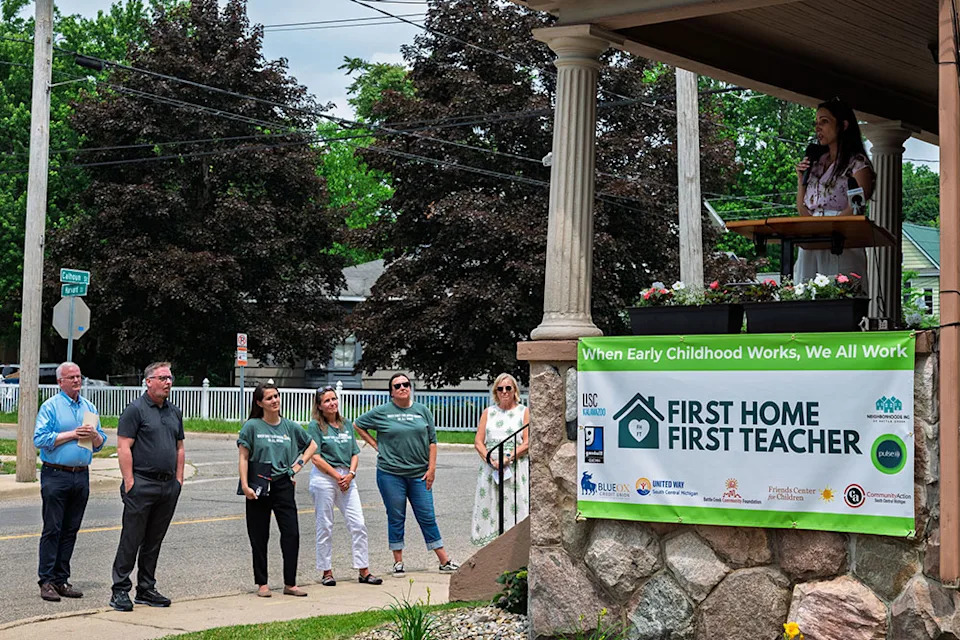
Furnishing day in Battle Creek, Michigan, for the "First Home, First Teacher," initiative on June 8. Two single moms working at early childhood centers moved into a duplex. (Credit: Nick Buckley)
Model Spreads — With Caution
Friends Center’s model has attracted visitors and imitators. Since 2020, more than 1,000 people have come to New Haven to study the approach. Programs in St. Louis, Battle Creek (Michigan) and Georgia have launched pilots that adapt Friends Center’s strategy to local conditions.
Urban Sprouts, a single-site nonprofit in St. Louis serving about 130 children, introduced a pilot this year and placed two teachers in employer-provided homes. One teacher cut a 45-minute commute to a five-minute walk and reports improved punctuality and well-being. In Battle Creek, a coalition called First Home, First Teacher — created by seven community partners — aims to provide rent-free housing as a salaried benefit to 30% of the local childcare workforce over the next 20 years; the initiative is establishing a trust and governance structure while already moving forward with initial placements and furnishing events.
“Early childhood education is only as strong as the people who provide it,” said Allyx Schiavone, CEO of Friends Center. “We're paying women to be in poverty. It is completely unacceptable.”
Schiavone and other leaders emphasize that employer-provided housing is a stabilizing stopgap, not a substitute for higher wages and sustainable public funding. Scaling the model, they say, will likely require public investment and alternatives to having childcare providers act as long-term landlords.
What This Means
Employer-provided housing can dramatically reduce housing costs, commute times, and stress for early-childhood educators — improving retention and enabling teachers to be more present in the classroom. But advocates say broader policy change is still needed: without better pay and public support, housing initiatives will remain a partial fix for a workforce facing systemic underpayment.
Help us improve.