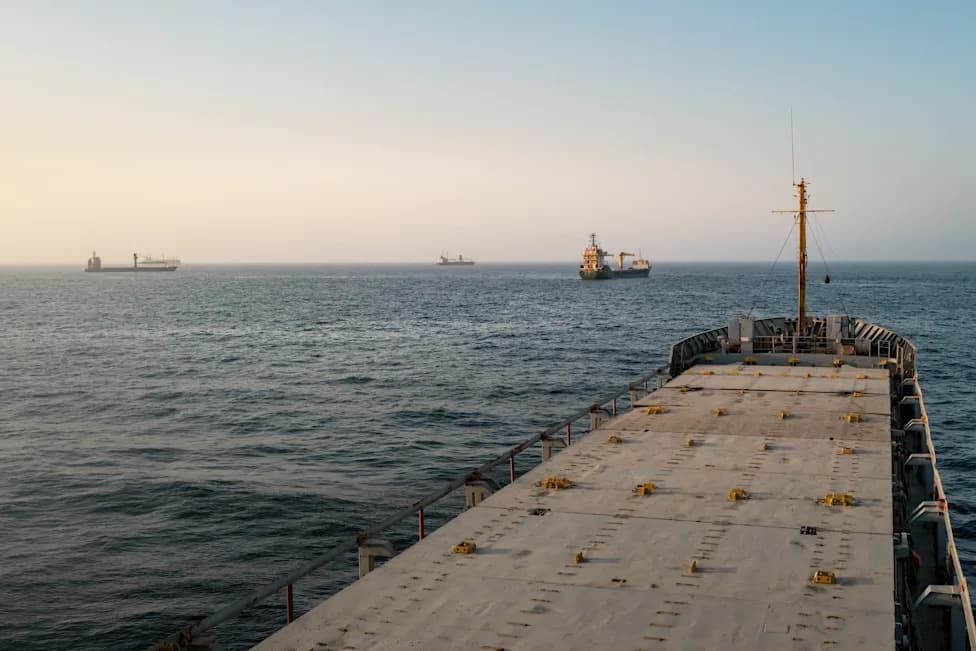
Iran defended a plan to charge ships transiting the Strait of Hormuz, saying decades of maritime pollution have caused "trillions" in damage. Spokesman Esmail Baghaei cited a recent oil spill near Qeshm Island and urged that beneficiaries of shipping help address environmental harm. Iran says it seeks to coordinate any transit fee with Oman, a proposal strongly rejected by Washington. Environmental groups warn the strait's sensitive ecosystems and desalination-based water supplies are at risk from spills and conflict-related incidents.
Iran Proposes Transit Fee for Strait of Hormuz, Citing 'Trillions' in Environmental Damage
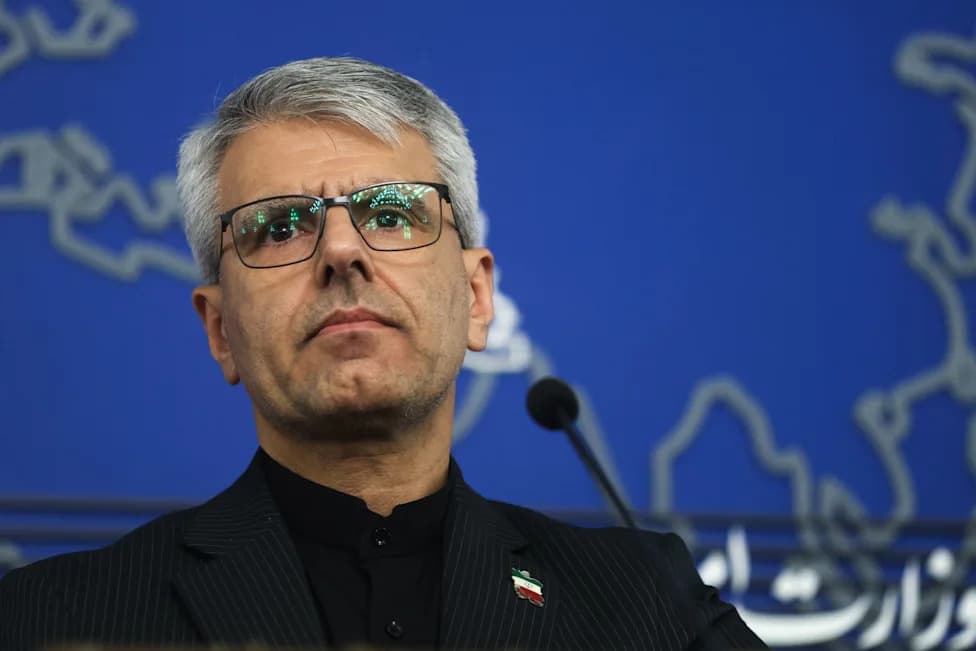
FILE PHOTO - Esmail Baghaei Hamaneh, spokesperson of the Iranian Foreign Ministry, speaks during his weekly press conference. (is associated with: «Iran cites environmental damage to justify Strait of Hormuz fee») Foad Ashtari/SOPA Images via ZUMA Press Wire/dpa
Iran on Wednesday defended plans to charge vessels transiting the Strait of Hormuz, arguing that decades of maritime pollution have inflicted severe environmental and economic harm on the country.
What Iran Says
Foreign Ministry spokesman Esmail Baghaei said on X that "decades of pollution in the Gulf and Gulf of Oman have imposed trillions of dollars in damage on Iran." He argued that countries and companies that benefit from shipping through the strait have a legal and moral obligation to help tackle the resulting environmental damage and that environmental protection should be central to any future management of the waterway.
Baghaei pointed to a recent oil spill off the coast of Qeshm Island and said initial investigations indicate a foreign cargo ship may be responsible. He did not provide details about specific environmental measures Iran plans to implement or how the proposed transit fee would be calculated or enforced.
Regional and International Response
Iran says it hopes to coordinate any transit fee with Oman, the strait's other coastal state. Washington has strongly rejected the idea, arguing that the Strait of Hormuz must remain open for global commerce. U.S. officials have warned Iran it could face serious consequences if the waterway remains effectively blocked.
Environmental groups, including Greenpeace, have highlighted the ecological sensitivity of the Strait of Hormuz and adjacent waters, noting the presence of coral reefs, mangroves and seagrass meadows. They warn that oil spills and damaged vessels could cause long-lasting harm to marine habitats and threaten coastal communities.
Risks to Shipping and Water Supplies
Recent hostilities and maritime incidents have raised concerns about the safety of shipping in the region. Reports said oil from a tanker that ran aground off Oman and that has been linked to elements of the so-called "shadow fleet" reached the Omani mainland. Environmentalists also warn that an oil spill in the Gulf could jeopardize desalination plants that provide drinking water to millions across the region.
Note: Iran's claims and proposals, including any estimated costs and the attribution of particular spills, should be independently verified. Details on how a transit fee would be implemented or enforced were not provided by Iranian officials.
Independent investigation, clearer international oversight and coordination among Gulf states and major trading partners would be essential to address environmental damage while keeping this strategically vital waterway open for global trade.
Help us improve.