President Trump signed a presidential memorandum authorizing the U.S. government to use cyber tools against foreign transnational criminal organizations and encouraging vetted private companies to assist under government direction. The memo tasks DHS, via its National Coordination Center, to create a program overseen by DHS and DOJ to carry out "cyber surveillance" and "cyber effects" operations. Participating firms must be vetted and maintain at least a $1 million bond. The policy has prompted concerns about escalation, unintended consequences and coordination challenges.
Trump Signs Memo Allowing Vetted Private Firms To Join Government-Led Cyber Operations Against Foreign Criminal Networks
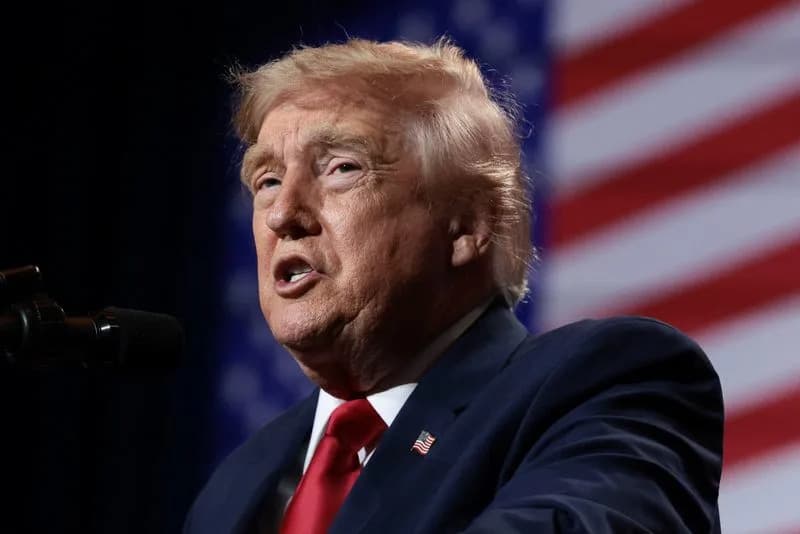
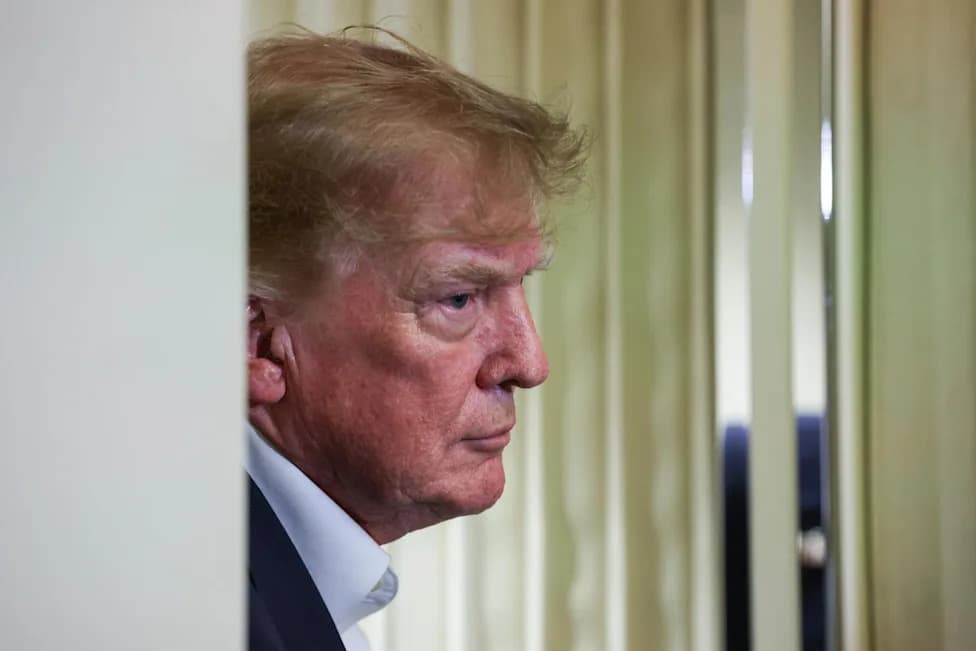
U.S. President Donald Trump delivers remarks at Red Rock Casino Resort Spa in Las Vegas
Aug 12 (Reuters) - President Donald Trump signed a national security presidential memorandum on Wednesday directing the U.S. government to expand the use of cyber tools against foreign-based transnational criminal organizations that target Americans.
The White House said the memorandum instructs the administration to "leverage the capability and innovation of the private sector to help conduct these cyber operations under the direction, control, and authority of the U.S. Government." A fact sheet accompanying the memo cited ransomware attacks, financial fraud and other crimes carried out by overseas criminal groups.
What The Memo Does
The memorandum establishes a framework that encourages private companies to enter agreements with other private entities and with federal, state, local, tribal and territorial agencies to collect threat information on transnational criminal organizations (TCOs) and to propose cyber operations to counter those threats.
It directs the Department of Homeland Security (DHS), acting through the Homeland Security Task Force's National Coordination Center, to set up a DHS program "to conduct specific cyber operations that disrupt foreign TCOs," to be overseen by DHS and the Department of Justice (DOJ).
Under government supervision, companies that pass a vetting process would carry out "cyber surveillance operations" and "cyber effects operations" against designated targets. According to the memo, "cyber effects" may include the manipulation, disruption, denial, degradation or destruction of information systems, networks, physical or virtual infrastructure controlled by information systems, or information stored on them.
Participating firms would be required to maintain a bond or escrow of at least $1 million, the memorandum specifies.
Controversy And Concerns
The idea of private-sector participation in offensive or disruptive cyber operations has precedent but remains controversial. Critics warn of risks including escalation with foreign actors, harmful unintended consequences, collateral damage to civilian systems, and complex interagency and legal coordination challenges.
Officials have said these operations would occur only under U.S. government direction and oversight; however, DHS and the White House did not immediately provide additional operational details.
This memorandum represents a significant step toward formalizing public–private cooperation in U.S. cyber operations against criminal networks operating abroad, while raising urgent questions about governance, accountability and risk mitigation.
Help us improve.