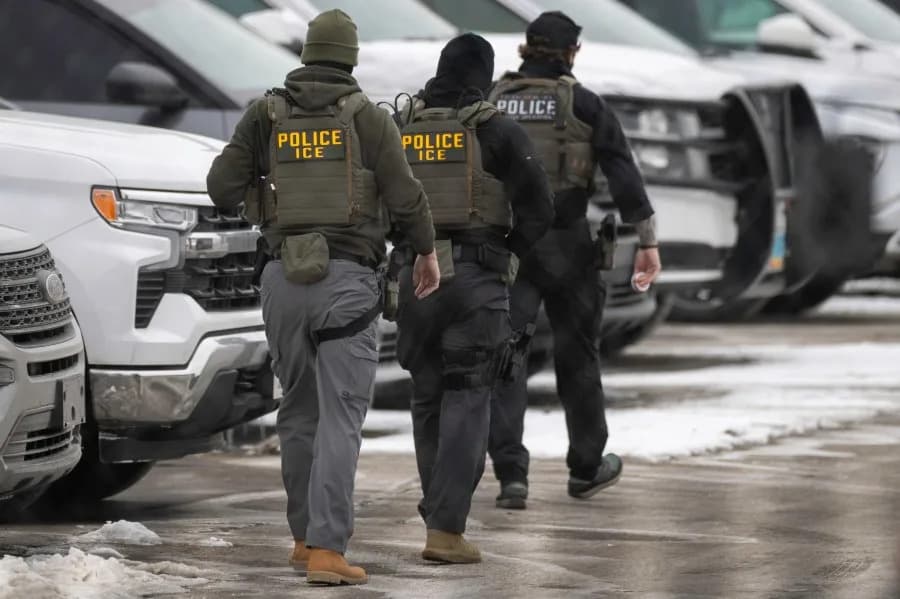
The Department of Homeland Security may approve up to a $20m purchase of GLOVE — gloves that can deliver up to 380 volts and 30 pulses per second — for use by ICE's HSI and ERO units. The devices log activations and are marketed as a non-penetrating, pain-deterrent compliance tool. Civil rights groups, led by the ACLU, warn the gloves could be misused and reduce accountability amid scrutiny of recent fatal enforcement incidents. DHS and the manufacturer say the units are already used by some agencies and include safety guidance.
ICE Considers Buying 'Shock' Gloves for Agents — What They Do and Why Critics Are Alarmed
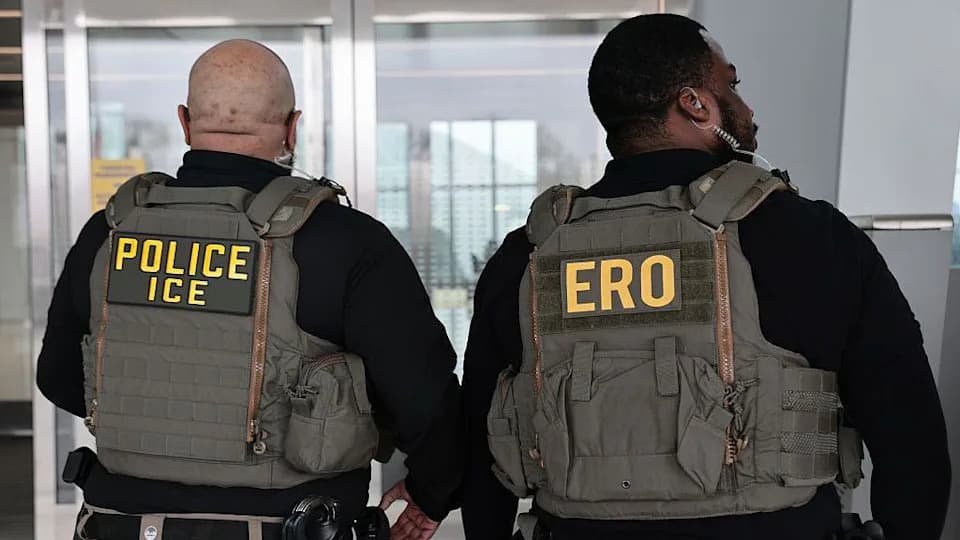
Officers and agents in Homeland Security Investigations (HSI) and Enforcement Removal Operations (ERO) would use the gloves, according to a DHS note [Getty Images]
US Immigration and Customs Enforcement (ICE) is considering a purchase of gloves that can deliver electric shocks to people during enforcement actions, according to a Department of Homeland Security (DHS) procurement note. The system, marketed as the Generated Low Output Voltage Emitter (GLOVE), has prompted debate about use-of-force, oversight and potential harm.
Device Details
The GLOVE units can deliver up to 380 volts and emit as many as 30 pulses per second. They are activated by a button on the glove and include built-in microprocessors that log each activation, the manufacturer says. Unlike a taser, which fires barbed probes and completes an internal circuit through the body, the gloves produce a sharp external shock applied to exposed skin intended to deter resistance through pain.
How They Are Intended To Be Used
Agency guidance and the device user manual recommend the gloves be applied only to exposed skin (typically the wrist or elbow) and advise against use on the elderly, small children, pregnant people and the "severely handicapped." The manual also suggests an additional officer be present to restrain a subject while the gloves are used.
Who Would Get Them
DHS said the units would be issued to personnel in Homeland Security Investigations (HSI), which targets transnational criminal organizations, and Enforcement Removal Operations (ERO), which handles arrests, detention and deportations of people who violate US immigration laws. Some local agencies already use the devices; the planned ICE purchase — reported to be potentially as large as $20 million — would be the biggest single acquisition of this product to date.
Manufacturer, Contracting And Logging
Compliant Technologies LLC, the company that manufactures the GLOVE, told reporters it declined to comment on the pending sale. DHS said a no-bid contract could be published as soon as Friday. The gloves' microprocessors record activations, which the manufacturer cites as a transparency and accountability feature; the company also states its pulses do not cause injury.
Safety Concerns And Civil Rights Objections
"Giving immigration agents a concealed means of delivering terrible pain is a recipe for more harm to the public and less accountability," said Jenn Rolnick Borchetta, deputy director on policing at the ACLU.
Civil rights groups have raised alarm that gloves allowing a quick, concealed shock could be misused, especially as ICE faces scrutiny over recent deadly incidents during enforcement operations, including the fatal shootings of Lorenzo Salgado Araujo in Texas and Johan Sebastián Durán Guerrero in Maine. Critics say the availability of another pain-inducing tool, combined with pressure to meet deportation priorities, risks increasing harm and reducing transparency in enforcement actions.
Perspectives From Law Enforcement
Supporters say the devices offer a less-lethal alternative to firearms and may reduce injuries by encouraging compliance without escalating force. Lt. Butch Gallion, an administrator at Hawkins County Jail in Tennessee, said the light that indicates activation often prompts compliance without a shock, and that officers can use the gloves as an "instant complier" if someone becomes combative.
What Happens Next
The DHS procurement note and reporting indicate the acquisition process could move quickly. The debate is likely to continue as civil-rights groups, lawmakers and local communities press for clarity about training, restrictions, reporting and independent oversight if ICE adopts the technology.
Reporting compiled from DHS procurement notes, manufacturer materials and statements to the press.
Help us improve.