On Aug. 11, a massive jellyfish swarm clogged cooling intakes at the Gravelines nuclear plant for the second year running, forcing partial shutdowns though EDF said safety was not at risk. Patrol boats and cameras installed after last year’s incident initially helped, but the bloom swelled from around "100 kilograms" to "several dozen tons," overwhelming defenses. Experts link the surges to rising sea temperatures, and environmental groups say the event highlights how climate change can disrupt coastal energy infrastructure.
Massive Jellyfish Swarm Forces Partial Shutdown At Gravelines Nuclear Plant For Second Year On Aug. 11
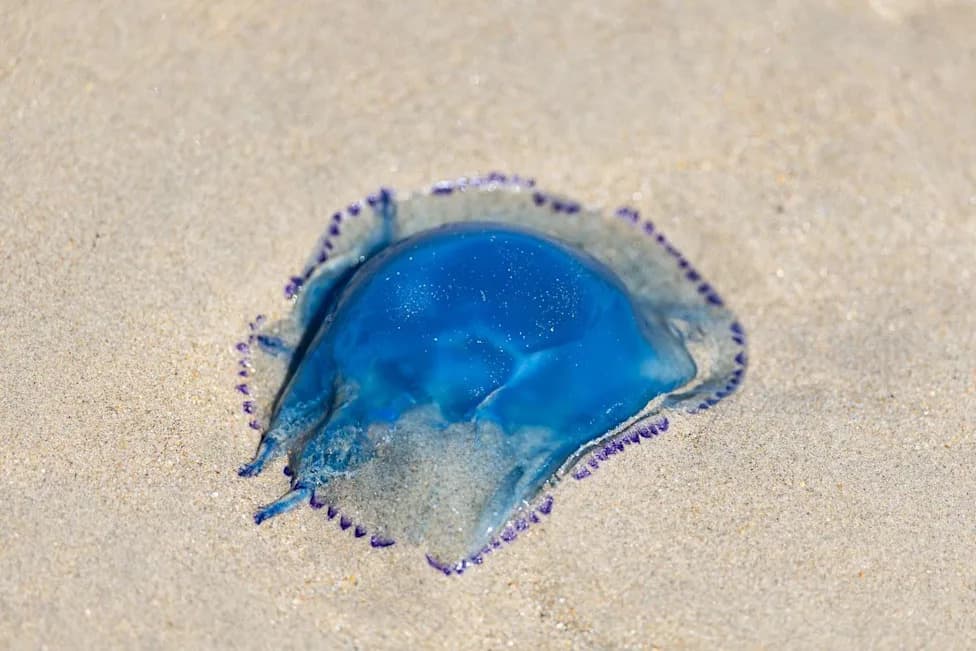
A jellyfish lies on the shore near the Gravelines nuclear power plant in Gravelines, northern France on August 11, 2026Credit: Sameer Al-DOUMY / AFP via Getty
For the second consecutive year on Aug. 11, a vast swarm of jellyfish disrupted operations at the Gravelines nuclear power plant in northern France, temporarily forcing parts of the facility offline after clogging cooling-water intakes.
What Happened
French utility EDF said it was compelled to take sections of the site offline after "several dozen tons" of jellyfish blocked the plant's pumping systems, according to a company statement reported by Politico. EDF emphasized that the shutdown posed no threat to plant safety, workers, or the surrounding environment and that crews were working to reconnect reactors to the national grid.
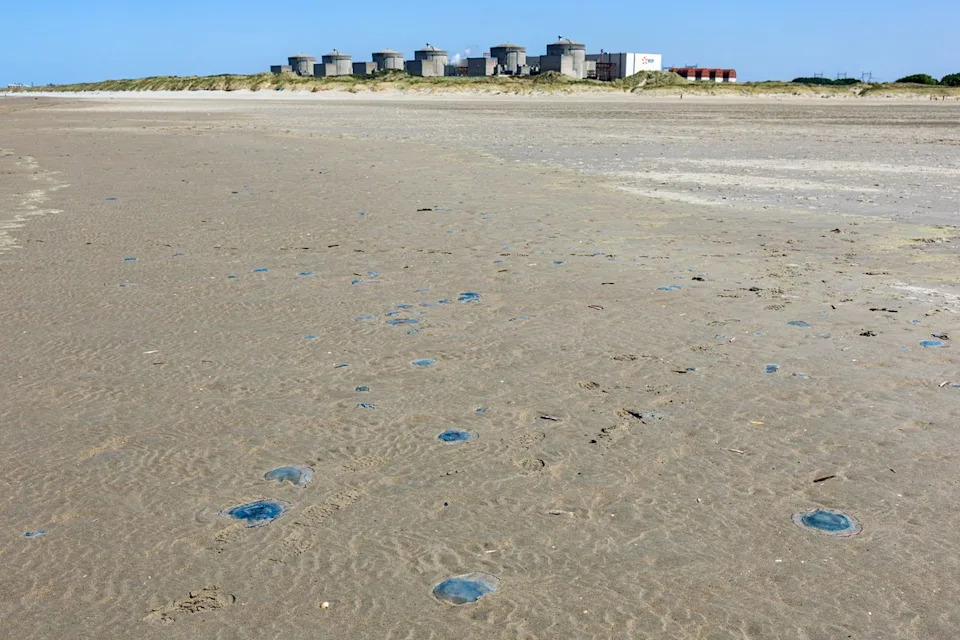
Jellyfish lie on the shore near the Gravelines nuclear power plant in Gravelines, northern France on August 11, 2026Credit: Sameer Al-DOUMY / AFP via Getty
Response And Preventive Measures
After a similar incident on Aug. 11 last year, EDF invested hundreds of thousands of euros in preventive measures, adding surveillance cameras and commissioning continuous coastal patrols. Three fishing vessels now operate round-the-clock to conduct "preventive fishing operations." The boats initially kept large numbers of jellyfish at bay, but the bloom reportedly expanded rapidly from roughly "about 100 kilograms" to "several dozen tons," overwhelming those defenses.
Why It Matters
Coastal nuclear plants typically draw seawater to cool reactors, making intake blockages a serious operational disruption even when safety systems remain intact. Experts link the growing frequency and size of jellyfish blooms to warming sea temperatures driven by climate change.
"This only highlights that nuclear power plants are ill-equipped to deal with the consequences of climate change," Greenpeace France said in response to the incident.
Broader Context
The summer of 2025 illustrated how climate stressors can affect nuclear operations: an unprecedented number of French plants were temporarily shut or curtailed as heat waves and drought reduced available cooling water. EDF said teams remain focused on restoring full connections to the grid while refining measures to reduce the risk of future disruptions from marine life and warmer waters.
Help us improve.