Morocco's National Human Rights Council has accused Spanish security forces of assaulting migrants during a mass crossing into Ceuta on 30–31 July, when roughly 80,000 people entered in 48 hours. The preliminary report cites returned migrants' testimony, raises concerns about the treatment of minors, and points to misleading social media as a trigger. The allegations come as Rabat renews diplomatic pressure, with Morocco's justice minister reiterating claims on Ceuta and Melilla and calling for repatriation of unaccompanied Moroccan minors.
Morocco's Human Rights Council Accuses Spanish Forces of Abusing Migrants in Ceuta; Diplomatic Tensions Reignite Over Enclaves

Morocco accuses Spain of assaulting migrants crossing into Ceuta and claims sovereignty over enclave
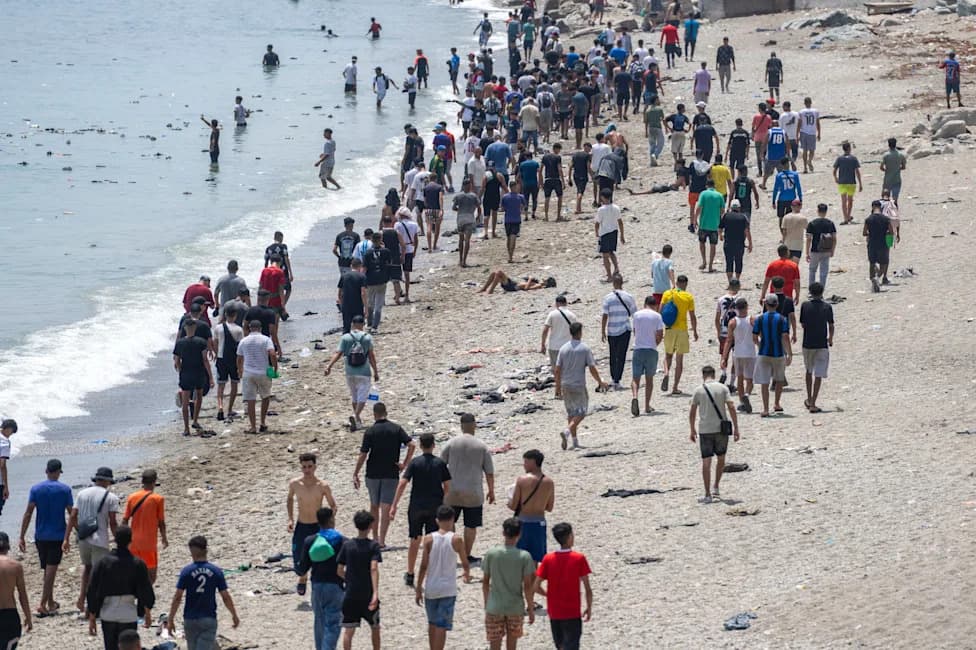
Morocco's National Human Rights Council (CNDH) has renewed sharp criticism of Spain after publishing a preliminary report on 8 August alleging that Spanish security forces assaulted and mistreated some migrants who entered the Spanish enclave of Ceuta on 30–31 July. The council says around 80,000 people crossed the border during the 48-hour period and that returned migrants provided testimony of abuse, including incidents that reportedly occurred "especially in places beyond the reach of cameras."
What the CNDH Report Says
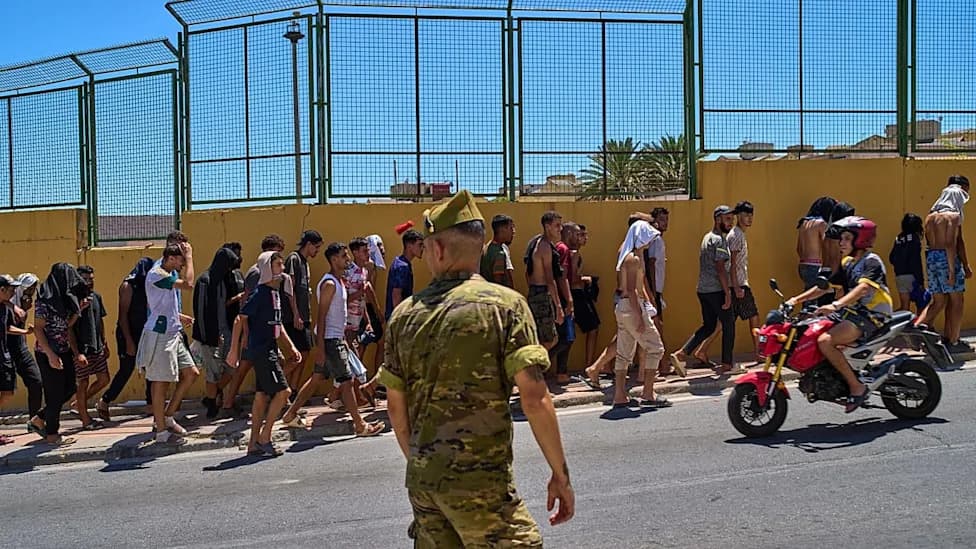
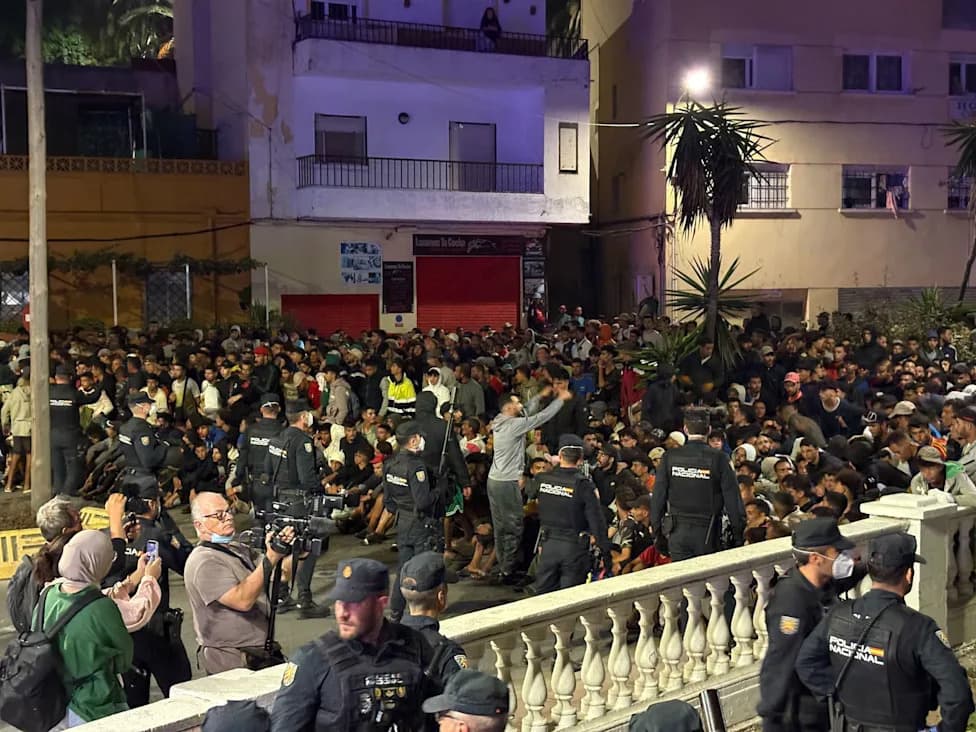
The CNDH said its monitoring team interviewed migrants who had already been returned to Morocco and that a number of those interviewees described physical assaults and ill-treatment by Spanish officers. The report also highlights allegations that minors suffered insults and beatings while moving through the city, identifying "extremist groups" among the alleged perpetrators and criticising local authorities for failing to provide adequate protection and care for children and young people.
Disputed Claims and Context
The council faults "local authorities" for closures of restaurants and shops in Ceuta, but the report acknowledges — and other sources confirm — that many businesses decided to close voluntarily after advice from the local employers' association. The CNDH also pointed to the role of social media in triggering the influx, saying it identified misleading migration-related content on 8 July on pages with more than 90,000 followers and analysed 23 Facebook groups with more than one million members in total.
"This is not the first time"
The CNDH previously criticised Spanish authorities after the 2022 storming of the Melilla border fence, an incident in which at least 23 people died. Although Morocco's public prosecutor later closed a domestic investigation citing an "absence of evidence of a crime," the case remained controversial amid reports suggesting Moroccan officers had relaxed controls, allowing migrants to cross.
Diplomatic Fallout
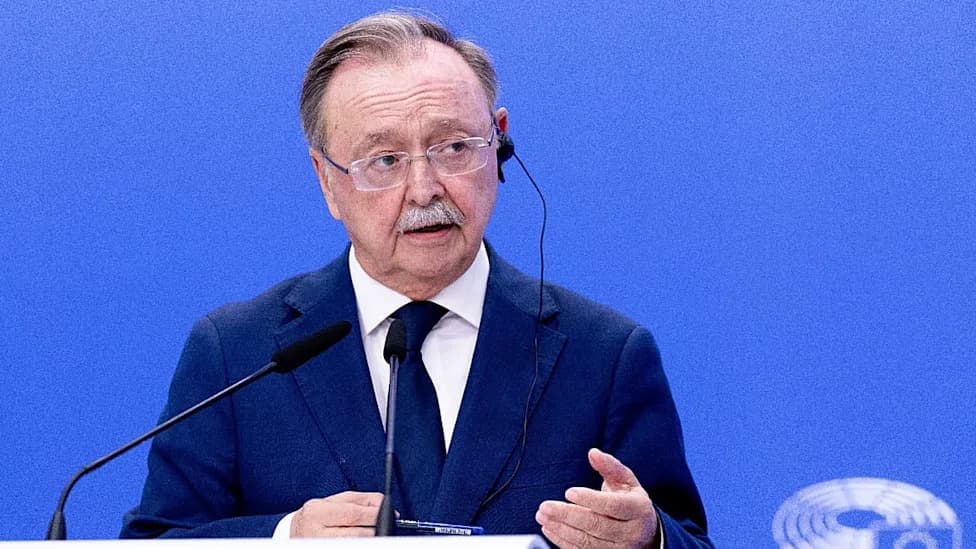
The report arrives alongside renewed diplomatic pressure from Rabat. Justice Minister Abdellatif Ouahbi told the pan-Arab channel Asharq News that Morocco continues to assert a historic claim to Ceuta and Melilla and that the matter "remains on the table" in talks with Spanish officials. He described a "long-term" strategy to reclaim what he regards as Moroccan territory through dialogue and also urged the repatriation of unaccompanied Moroccan minors held in centres in Spain, saying responsibility for their welfare lies with Spanish authorities.
Historical Note
For historical context: Ceuta has been under Spanish sovereignty since 1580, during the Iberian Union, while Melilla has been Spanish since 1497, when it was seized by the Crown of Castile. Neither city has been administered by Morocco in modern times.
What Remains Unresolved
The CNDH's allegations and the broad humanitarian concerns they raise are likely to deepen diplomatic friction between Morocco and Spain. Independent verification of the alleged abuses remains limited in the public record; the Spanish authorities have denied or contested aspects of such accusations in similar past cases. Further investigation, transparency on both sides, and safeguards for minors and migrants will be crucial if bilateral tensions are to be reduced.
Help us improve.