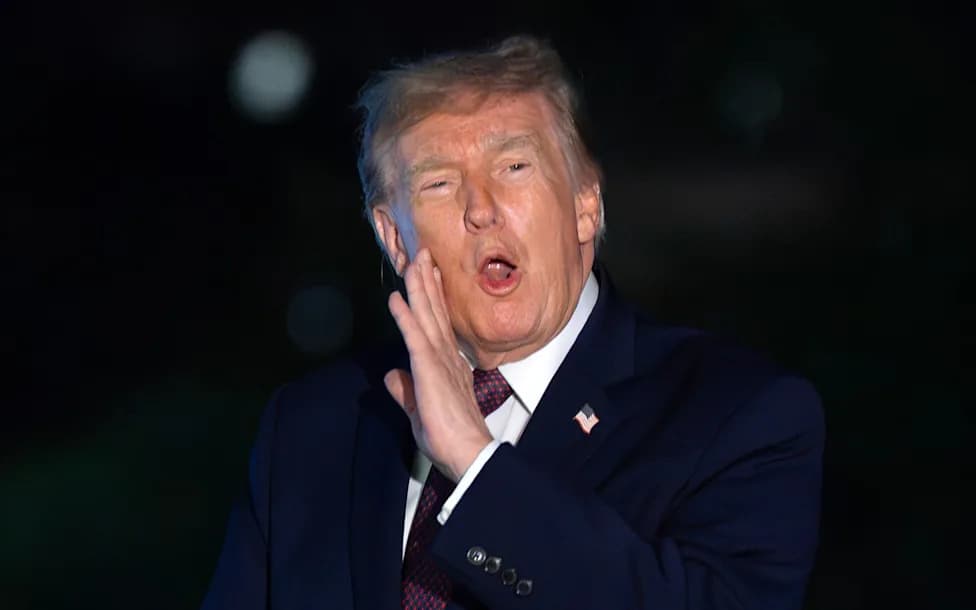
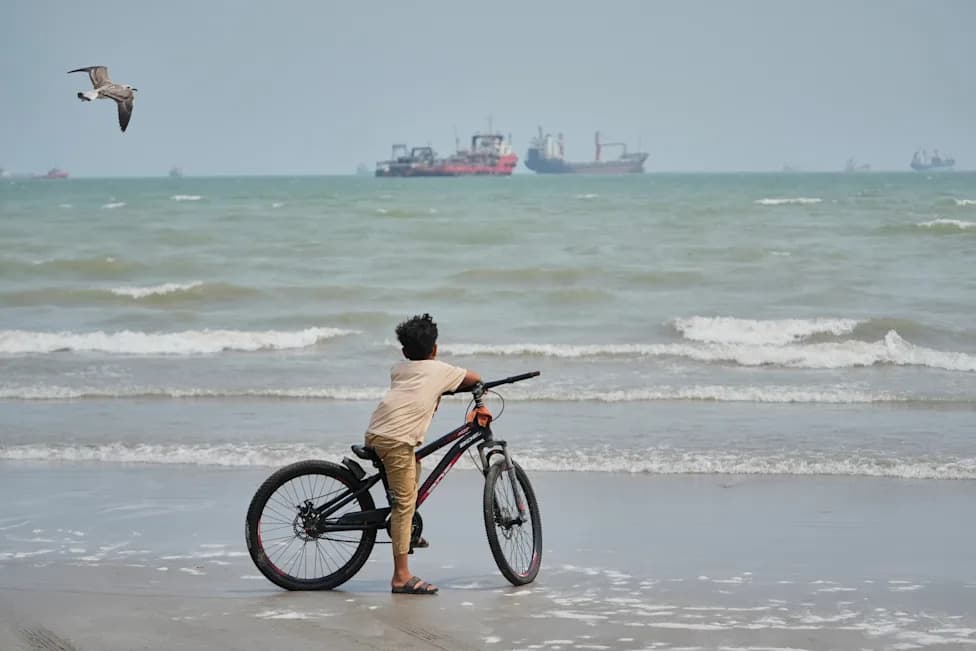
President Trump said the United States has "total control" of the Strait of Hormuz, asserting that no other actor currently controls the waterway. The strait, which carried about a fifth of global oil demand before recent fighting, has seen shipping largely curtailed following reported strikes on February 28. UKMTO says commercial traffic remains reduced amid continued IRGC attacks, and the disruption has helped push oil and gas prices higher.
Trump Says US Has 'Total Control' of the Strait of Hormuz as Shipping Disruptions Persist
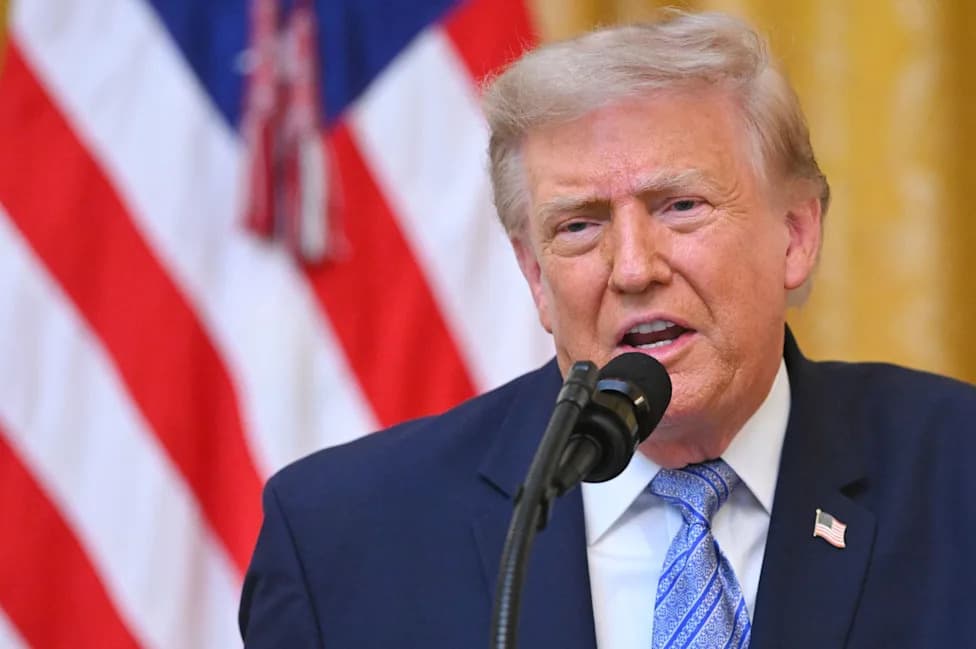
US President Donald Trump addresses the nation from in the East Room of the White House in Washington. (is associated with: «US in 'total control' of Strait of Hormuz, Trump says») Saul Loeb/PI via ZUMA Press Wire/dpa
President Donald Trump told reporters that the United States currently exerts "total control" over the Strait of Hormuz, a strategic maritime chokepoint through which a significant share of the world's oil, liquefied natural gas and fertilizer shipments pass.
"We totally control the Strait of Hormuz. We have control over it; nobody else, only us," he said. "I'm the last person to trust Iran. They've lied to me constantly. We have total control over the Hormuz Strait right now. They don't have control."
The dispute over transit rights in the strait — a vital corridor linking the Persian Gulf to global markets — has been a central factor in the recent escalation of tensions between Washington and Tehran. Before reported strikes by the United States and Israel began on February 28, traffic through the waterway had been largely undisturbed.
Impact on Shipping and Markets
Approximately one-fifth of global oil demand passed through the strait before the conflict intensified. After the fighting began, Iran's attacks on vessels and threats against shipping led to a sharp reduction in transits, pushing oil and gas prices higher and contributing to broader global inflationary pressures.
Security Situation
The UK Maritime Trade Operations (UKMTO) has reported that commercial shipping in the Strait of Hormuz remains at reduced levels. The agency said Islamic Revolutionary Guard Corps (IRGC) attacks, attempted strikes and other "harassment activity" have persisted in the area, which it described as efforts by Iran to assert a presence along key transit lanes and pressure transiting vessels.
Trump's assertion of "total control" is a presidential statement and has not been independently verified in this report. Control of the narrow, strategically complex strait typically depends on a range of naval, diplomatic and commercial factors, and analysts note that maintaining uninterrupted control in such a contested environment can be difficult.
As the situation evolves, shipping companies and governments continue to monitor risks and adjust routes and insurance arrangements, while markets watch for further disruptions that could affect energy prices and global trade.
Help us improve.