
Hiroshi Okuda, who led Toyota as president and chairman from 1995 to 2006, has died at 93. He championed the development of the pioneering 1997 Prius hybrid and helped cement Toyota's reputation for fuel efficiency. Okuda also drove global expansion by establishing overseas manufacturing and promoted a culture of continuous improvement and younger management. Funeral arrangements are being handled privately by the family.
Hiroshi Okuda, Architect of Toyota's Global Rise and the Prius, Dies at 93
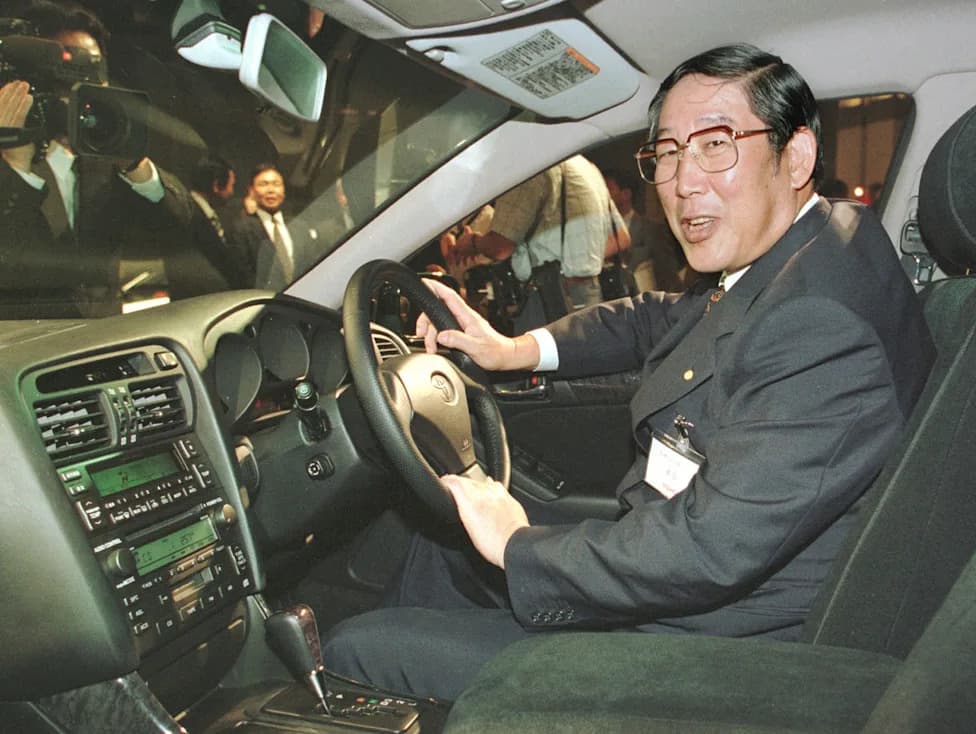
FILE - Hiroshi Okuda, then, president of Toyota Motor Corp., smiles as he sits at the steering wheel of the "Aristo," Toyota's remodeled sports sedan during a press conference at a Tokyo hotel, Aug. 27, 1997. (AP Photo/Shizuo Kambayashi, File)(AP Photo/Shizuo Kambayashi)
Hiroshi Okuda, the former president and chairman who guided Toyota Motor Corp.'s transformation into a global automotive powerhouse, has died at age 93, the company said Wednesday. The date and cause of his death were not immediately disclosed.
Career and Innovation
Okuda served as Toyota's president and then chairman from 1995 through 2006, capping a 45-year career with the company. He is widely credited with championing the development of the gas-electric hybrid Toyota Prius, introduced in 1997, which showcased pioneering fuel-saving technology and became a global symbol of greener motoring.
Under Okuda's leadership, Toyota strengthened its reputation for fuel efficiency across both hybrid models and mainstream bestsellers such as the Camry. He pushed for innovation at a time when rising fuel prices and environmental concerns were reshaping consumer demand.
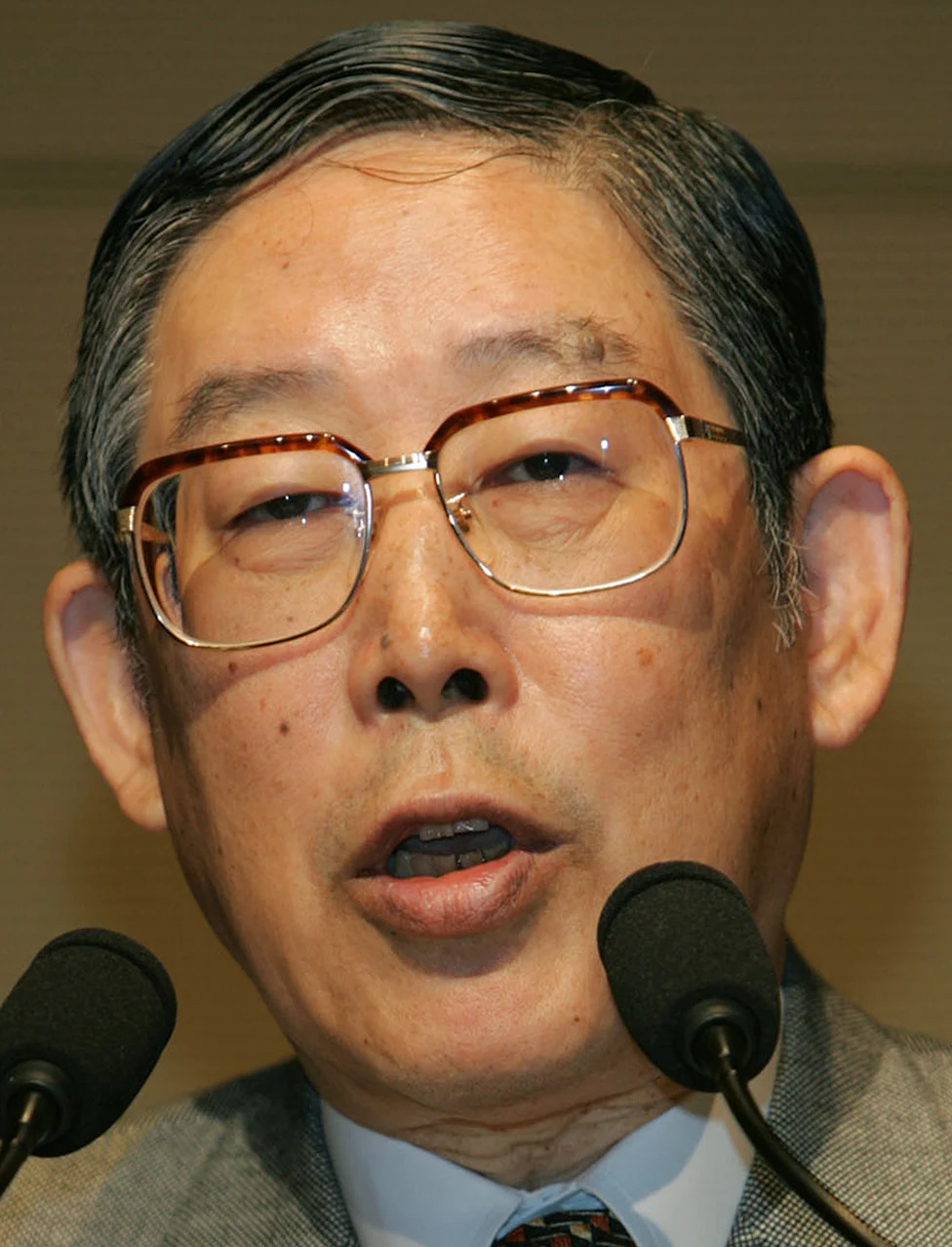
FILE - Hiroshi Okuda, then Toyota Motor Corp. chairman, speaks during a press conference at a Tokyo hotel on Nov. 1, 2004. (AP Photo/Shizuo Kambayashi, File)(AP Photo/Shizuo Kambayashi)
Global Expansion and Management Philosophy
Okuda led Toyota's international expansion by growing sales and establishing manufacturing plants in the United States and Europe, helping to globalize the company's production footprint. He frequently emphasized the interconnected nature of the auto industry, often invoking the concept of "harmony" to describe global cooperation and supply-chain integration.
Known for being outspoken and quick to laugh, Okuda was notable for not coming from the founding Toyoda family, a break from the company's traditional leadership lineage. He advocated for promoting younger managers—typically executives in their 50s at the time—arguing that companies should evolve while they are successful.
"A company must change when things are going well. There's no point in trying to change after things start going bad," he told reporters in 2005.
That insistence on constant adaptation reflected Toyota's core principles of kaizen (continuous improvement) and just-in-time production, practices that helped define the automaker's competitive model.
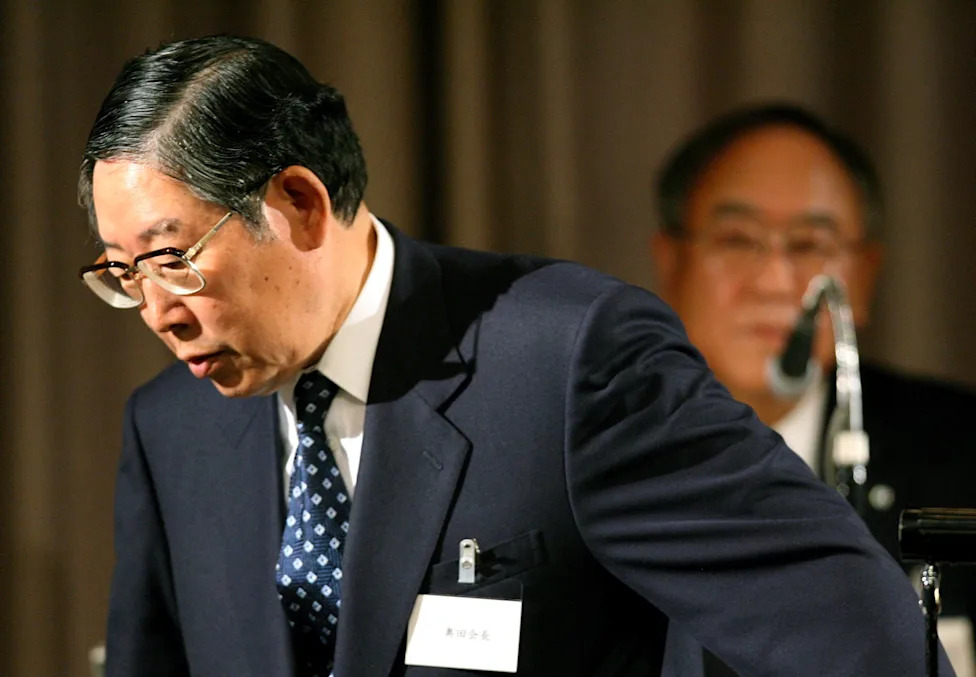
FILE - Outgoing chairman of the Japan's foremost business lobby, the Nippon Keidanren, Hiroshi Okuda, left, leaves the podium following his one and the last speech as a chairman as newly named chairman Fujio Mitarai, Canon Corps Chief Executive Officer looks on during the annual meeting in Tokyo, May 24, 2006. (AP Photo/Junji Kurokawa, File)(AP Photo/Junji Krokawa)
Industry Leadership and Legacy
A black belt in judo, Okuda also served as a prominent voice in Japan's business community. He led major industry organizations including the Japan Business Federation (Keidanren), the Japan Automobile Manufacturers Association, the Prime Minister's Economic Strategy Council and the Japan Federation of Employers' Associations.
After leaving executive office, Okuda remained on Toyota's board as an adviser and was a board member when Toyota appointed Jim Press as the first American director in 2007. His tenure coincided with a period when Japanese automakers such as Honda and Nissan also posted large profits, contributing to political and economic debates about trade and currency valuation.
Toyota said it did not have immediate details on surviving family members. Funeral arrangements are being handled privately by the family, and the company indicated a more public ceremony could be planned at a later date.
Help us improve.





















