
On Aug. 10 a 7.4-magnitude earthquake struck near San José del Palmar, Chocó — roughly 150 miles west of Bogotá — causing widespread damage across multiple departments and prompting a national disaster declaration. Early reports (Aug. 11) cite more than 200 deaths and about 3,000 people missing. The Colombian Geological Service called it the largest seismic event in Colombia this century and recorded 70+ aftershocks. The U.S. pledged $15.5 million, and multiple international NGOs are providing emergency aid; donors are advised to give to verified organizations and prioritize cash donations.
How to Help After Colombia's 7.4-Magnitude Earthquake: Aid Options and Safety Info
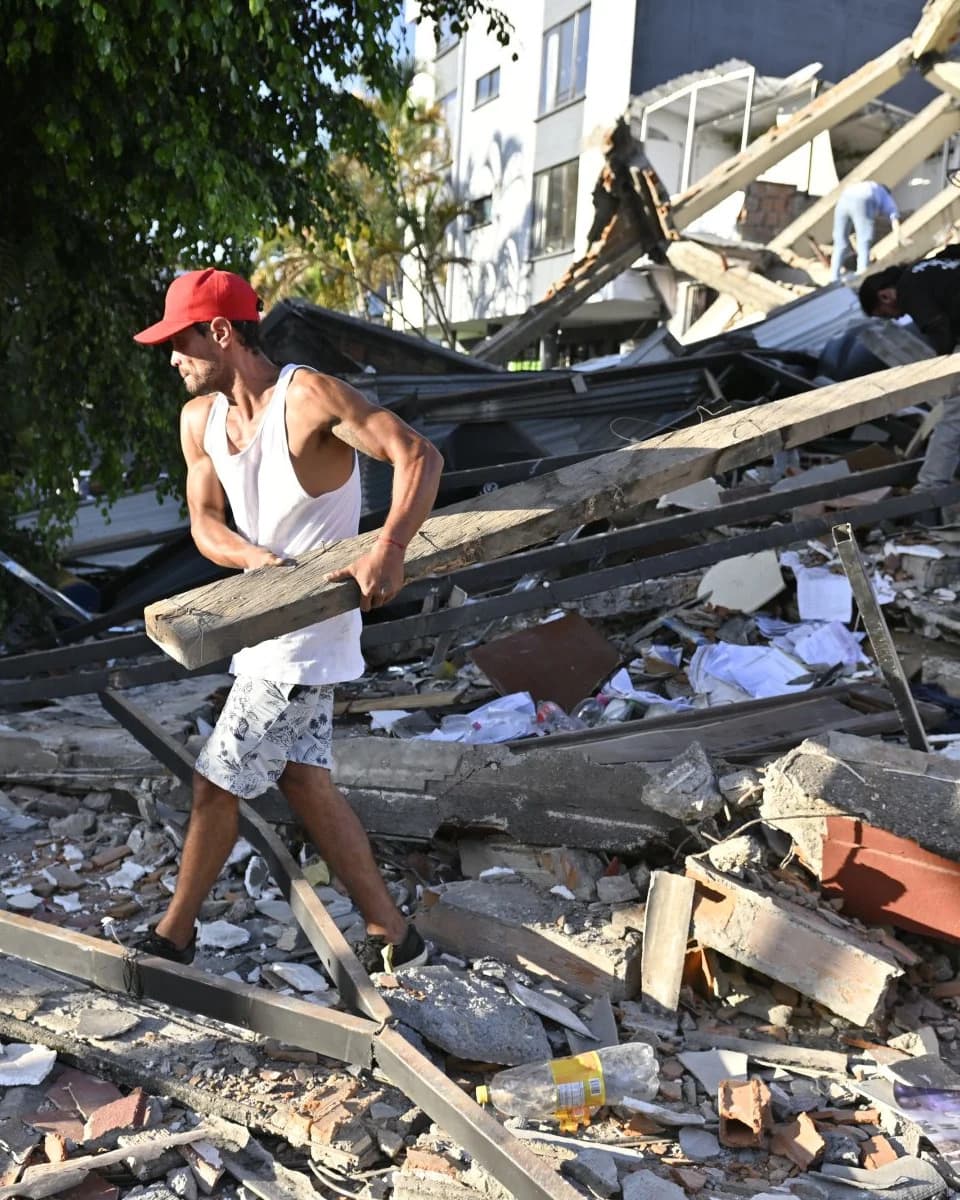
How to Help Those Impacted by the Earthquakes in Colombia
Colombia is facing a major humanitarian crisis after a powerful 7.4-magnitude earthquake struck on the morning of Aug. 10. The quake's epicenter was near San José del Palmar in the Chocó department, roughly 150 miles west of Bogotá, and tremors were widely felt across southwestern Colombia.
Impact
The quake caused widespread damage and building collapses across multiple departments, including Cauca, Valle del Cauca, Risaralda and Quindío, leaving many people trapped under rubble. According to CNN reports cited on Aug. 11, the confirmed death toll had surpassed 200 and roughly 3,000 people were reported missing; officials warned those numbers could rise as rescue operations continue.
Seismic Activity and Scientific Context
The Colombian Geological Service (CGS) described the 7.4 event as the largest-magnitude seismic event recorded in Colombia in the 21st century. CGS has registered more than 70 aftershocks across multiple cities. Several early aftershocks on Aug. 11 measured about 3.0, 3.2, 3.6 and 3.8 in magnitude. The agency warned that aftershock activity could persist for days, weeks or even months as the crust adjusts.
International Response
The U.S. government announced an initial contribution of $15.5 million to relief efforts. Numerous international and local humanitarian organizations have mobilized to provide emergency medical care, search-and-rescue support, shelter, food, clean water and psychosocial services.
Organizations Accepting Donations and Working on the Ground
Below are reputable organizations known to be active or preparing responses. Visit each group's official website to donate safely and confirm how funds will be used:
- All Hands & Hearts — Disaster recovery and community rebuilding; supporting first responders and displaced households with tools, PPE and emergency relief.
- Americares — Delivering medicines, medical supplies and emergency health support; teams mobilized in Bogotá, Barranquilla and Cali.
- GlobalGiving — Crowdfunding platform with a Colombia Earthquake Relief Fund to rapidly support vetted local organizations.
- International Rescue Committee (IRC) — Emergency response for communities already facing conflict and poverty, with rapid-deployment capacity.
- Project HOPE — Health-system support, primary care, and mental-health and WASH (water, sanitation and hygiene) assistance.
- The House Project — Local shelter and family-support initiatives focused on displaced households.
- UNICEF — Child-focused emergency protection, water and sanitation, and family support in coordination with national authorities.
- World Central Kitchen (WCK) — Rapid meal distribution and local partner coordination to feed displaced families.
How You Can Help
If you want to help, follow these guidelines:
- Prioritize cash donations to verified charities and local organizations — cash is flexible and supports local markets.
- Confirm how donations will be used (immediate relief vs. long-term recovery) and check an organization’s vetting and financial transparency.
- Do not send unsolicited goods unless an organization requests specific items or runs an organized collection drive.
- Consider supporting local Colombian NGOs and community-led groups, which often have the fastest access to affected areas.
Safety and Expectations
Rescue operations can take days or weeks, and aftershocks may complicate efforts. If you have friends or family in the region, follow official channels for updates and emergency guidance. Donations and public support help sustain search-and-rescue, medical response and longer-term recovery.
Note: Figures reported here reflect early official counts and media reports from Aug. 11; numbers may change as authorities update their assessments.
Help us improve.





















