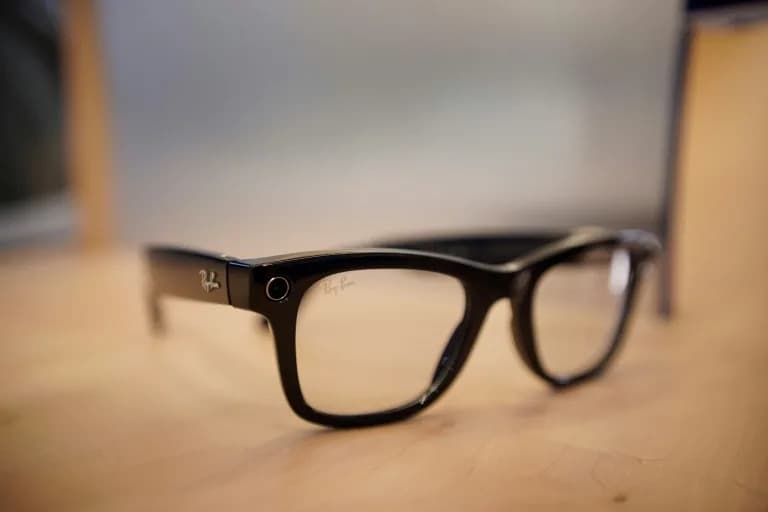
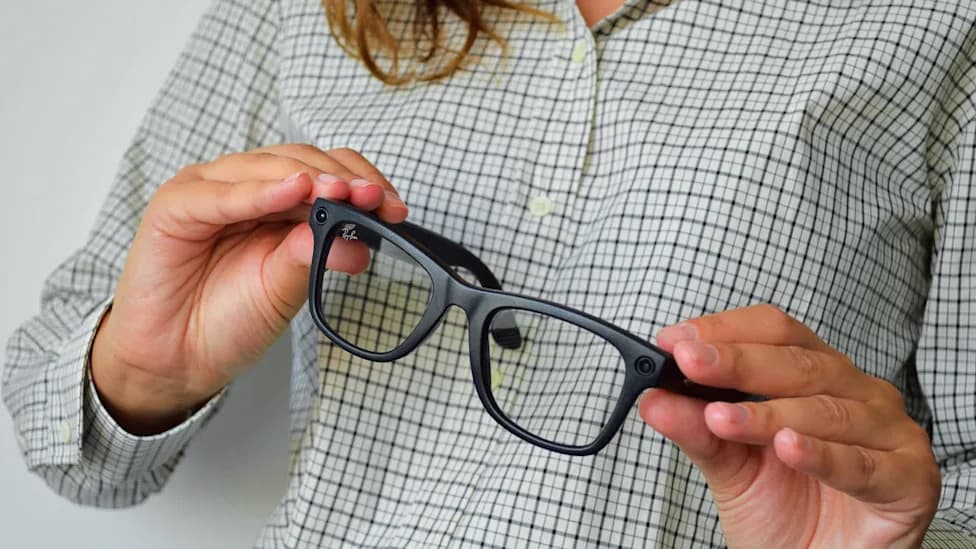
England and Wales have banned Meta Glasses from court buildings, with HMCTS ordering that the devices be confiscated on entry and returned on exit. The prohibition targets the glasses' discreet recording capability, which could enable covert filming of proceedings and breach court rules. HMCTS allows smartphones only if they are not used to record but will not extend the same exception to smart glasses. The move follows similar bans elsewhere and comes amid reports of non-consensual recordings online.
Meta Glasses Banned From England & Wales Courtrooms Over Covert-Recording Risk

Mark Zuckerberg/Facebook
Courts across England and Wales have moved to prohibit Meta's smart glasses from court buildings, the His Majesty's Courts & Tribunals Service (HMCTS) confirmed. Anyone attempting to enter court premises wearing the devices will have them confiscated and returned only when they leave the building.
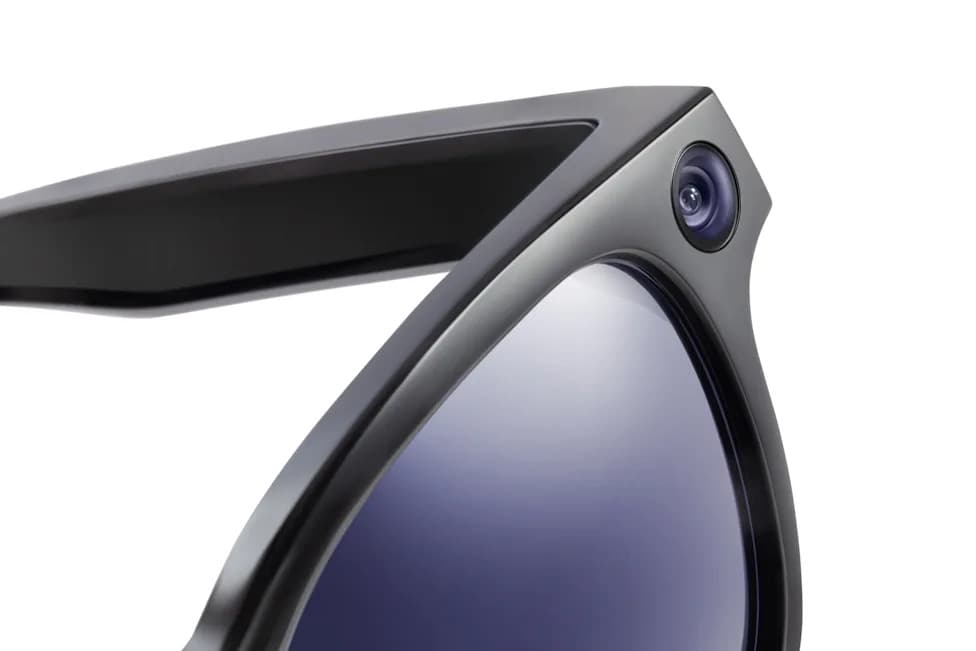
The decision responds to a straightforward concern: cameras are banned inside courtrooms, and Meta Glasses include a camera that can record discreetly. Officials say that the ability to capture proceedings without others noticing would undermine courtroom rules, privacy and the integrity of hearings.
How the Rule Will Work
A court spokesperson told The Guardian:
"There are clear restrictions on taking images or videos within courts and tribunals which is why the use of Meta glasses is prohibited."
Recording or photographing inside court buildings without official permission is a criminal offence and may be treated as contempt of court. HMCTS continues to allow a limited exception for smartphones in court provided they are not used to record; it has said it will not extend that exception to smart glasses, noting that a phone cannot be covertly affixed to a person’s face to film unnoticed.
Incidents and Wider Context
There have already been courtroom problems linked to smart glasses. In London earlier this year, a case involved an allegation that a man had been "assisted or coached in his replies to questions put to him during cross-examination" via smart glasses that delivered audio to built-in speakers connected to a nearby smartphone; the claimant denied the accusation.
The move in England and Wales follows similar steps elsewhere: New York recently introduced a comparable ban in its courts specifically to prevent secret recordings.
Beyond courts, a range of UK venues have restricted or banned Meta Glasses and similar devices on privacy grounds. Public-facing sites imposing bans include the pub chain Wetherspoons, several upscale restaurants, members' clubs, theatres, music venues and comic conventions — some critics have dubbed the devices "pervert glasses." Reports suggest some people have bought the glasses to film and post footage online without consent, an issue that disproportionately affects women.
A University of Sydney study identified hundreds of videos on Instagram in which male "pick-up artist" creators secretly filmed women and uploaded the footage; around 60% of those videos contained behaviour the researchers classified as potential harassment, and several victims were identified and doxxed.
Meta's founder, Mark Zuckerberg, and members of his entourage drew attention during a recent high-profile trial when they were reported to be wearing the glasses in court; the judge threatened contempt to force them to remove the devices. A Meta spokesperson declined to comment to The Guardian on the courtroom ban. Reports indicate Meta sold roughly 7 million pairs of Meta Glasses in 2025.
What This Means: The ban underscores increasing concern about wearable cameras and privacy. Courts are prioritising the integrity of proceedings and the protection of participants over convenience of new consumer tech in sensitive public settings.
Help us improve.