Activists from Direct Action Everywhere staged a protest on August 3 outside Amgen’s Thousand Oaks campus calling on the company to cut ties with Marshall BioResources, a breeder cited by the USDA under the Animal Welfare Act. Marshall disputes the activists’ allegations and says recent unannounced USDA inspections produced no citations, while USDA records show citations dating to 2007. Protesters—who say Amgen bought research dogs from the breeder in 2023—are urging major buyers to sever relationships and promoting alternatives such as organoids and computer toxicity models.
California Protesters Press Amgen To Sever Ties With USDA‑Cited Beagle Breeder
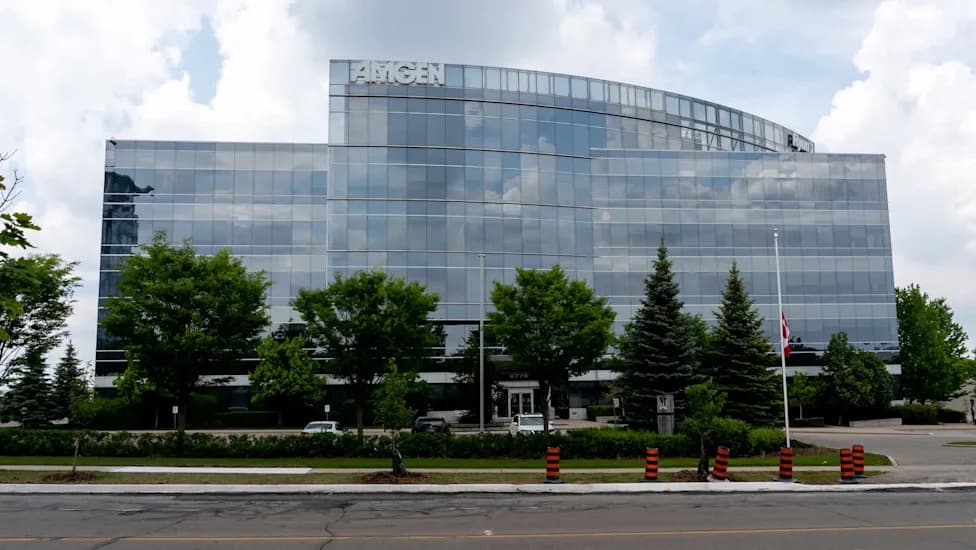
Photo Credit: iStock
Amgen is facing renewed criticism from animal-rights activists who want the company to end its relationship with a breeder that supplies beagles and other animals for laboratory research.
On August 3, demonstrators gathered outside Amgen’s Thousand Oaks campus to protest the company’s continued work with Marshall BioResources (also known as Marshall Farms), a supplier the U.S. Department of Agriculture has repeatedly cited under the Animal Welfare Act, according to local reporting by the Camarillo Acorn.
Members of Direct Action Everywhere (DxE) carried “Save the Dogs” placards and photos of beagles during the demonstration. In a post-protest statement, activists said photographs allegedly taken inside the breeder’s facility showed animals confined in cages, dogs fitted with inhalation masks being prepared for toxicology testing, and a deceased beagle puppy in unsanitary conditions.
Marshall BioResources Response: The breeder disputed the activists’ characterizations, telling the Acorn that the claims have been “debunked on multiple occasions.” The company said the USDA has inspected its facilities regularly, including unannounced visits in May and July that it says produced no citations.
USDA Records: USDA records cited by the Acorn show that the breeder has received multiple citations tied to alleged Animal Welfare Act violations dating back to 2007. A 2025 inspection report referenced by the outlet noted that Marshall’s Thousand Oaks facility used 23 dogs that year.
Amgen’s Position
Amgen did not directly address the August 3 protest but pointed readers to its animal-research ethics webpage, which states the company is “committed to applying the highest standards of animal care to support animal welfare.” Activists note that Amgen purchased several research dogs from the breeder in 2023, which helped trigger the campaign.
Activist Goals And Alternatives
Protesters, including members of the True Cost Project, say the campaign targets not only Amgen but other major clients and buyers—naming large pet retailers such as PetSmart and Petco—to cut ties with Marshall BioResources. Activists also promote New Approach Methods such as organoids (lab-grown cell clusters that mimic organ function) and computer-based toxicity models as alternatives to some forms of animal testing. Supporters argue these methods can be less costly, reduce animal suffering, and sometimes provide more predictive results.
“We know they have the resources and the position to end their relationship with Marshall BioResources,” Dash Nye, DxE’s Los Angeles press coordinator, said after the protest.
Activists also said they confronted Amgen executive Michael Abernathy in June at a pharmaceutical industry event in Boston to raise their concerns directly. The dispute highlights continuing tensions between laboratories that rely on purpose-bred animals and advocacy groups pushing for stricter oversight and alternative research methods.
Sources: Camarillo Acorn reporting and public USDA inspection records cited by protesters and the breeder.
Help us improve.