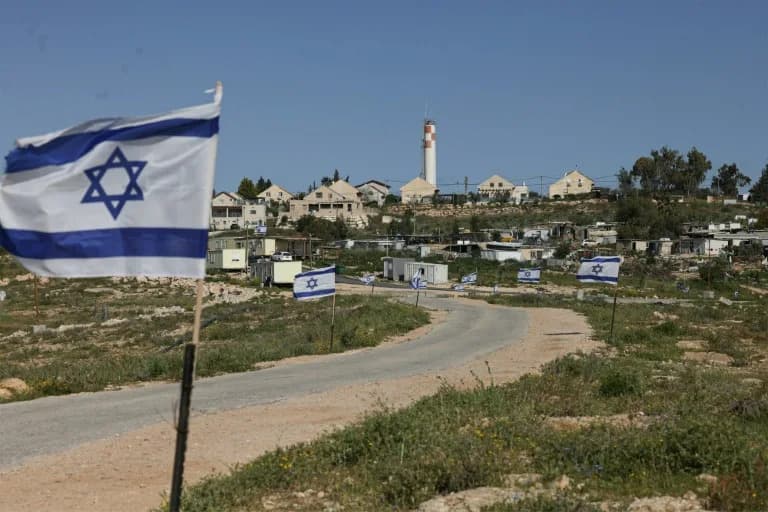
Colombia has become the second country, after the United States, to recognise Israeli sovereignty over the Syrian Golan Heights, announcing the decision days after Abelardo de la Espriella assumed the presidency. The Foreign Ministry framed recognition as supporting Israel's right to self-defence and control of the plateau. Israeli officials thanked Colombia after a meeting in Barranquilla, while the UN continues to regard the Golan as Syrian territory and has called the occupation "totally unacceptable." The move comes amid increased Israeli military activity in Syria following events in late 2024.
Colombia Becomes Second Country To Recognise Israeli Sovereignty Over The Golan Heights
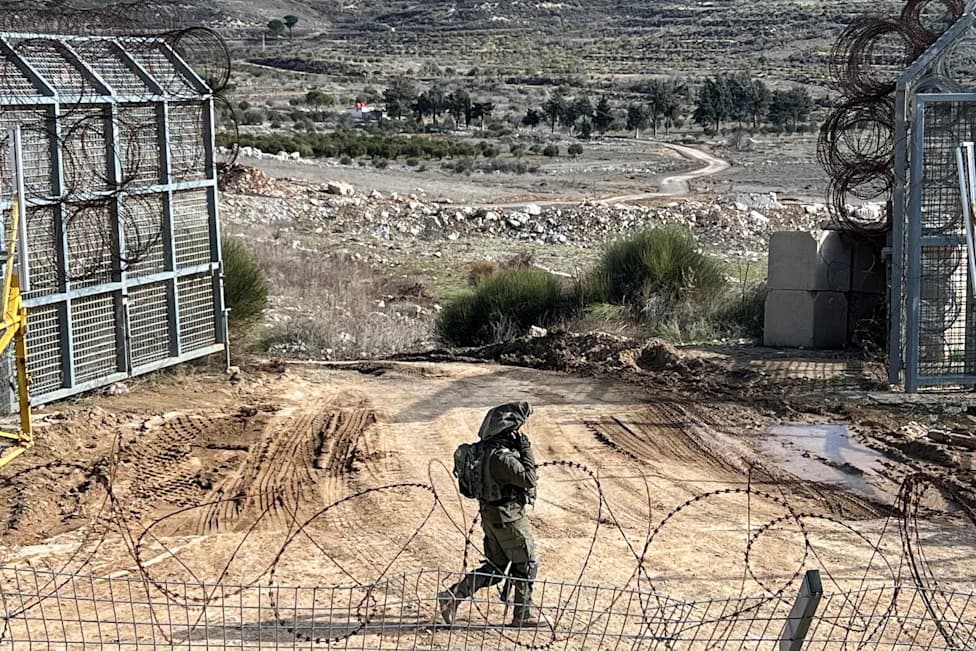
An Israeli soldier walks by the ceasefire line with Syria and the Israeli-occupied Golan Heights [File: Avi Ohayon/Reuters]
Colombia has formally recognised Israel's claim of sovereignty over the Syrian Golan Heights, becoming only the second country to do so after the United States. The decision was announced by Colombia's Foreign Ministry days after far-right President Abelardo de la Espriella took office.
In a statement posted on X, the ministry said:
"The Government of Colombia recognises Israeli sovereignty over this territory, as well as that State's right to protect itself against external threats."
The statement added that Colombia views "maintaining Israel's control and sovereignty over the Golan Heights" as an essential element of Israel's national defence.
Israeli Foreign Minister Gideon Saar publicly thanked his "good friend" President de la Espriella, saying the leaders agreed on the move during a meeting in Barranquilla one day before the inauguration.
Historical and legal background: Israel captured most of the Golan Heights from Syria during the 1967 Six-Day War and annexed the territory in 1981. That annexation was not accepted by most of the international community; the United Nations continues to regard the Golan as Syrian territory. In 2019, the United States formally recognised Israel's claim under President Donald Trump.
Last month, UN Secretary-General António Guterres reiterated the UN position and described the Israeli occupation as "totally unacceptable." Syria attempted to retake the plateau during the 1973 Arab-Israeli war but failed; an armistice followed in 1974 and the area has been relatively quiet until recent years.
Current regional context: Colombia's declaration comes amid heightened Israeli military activity in Syria after the reported collapse of Bashar al-Assad's government in December 2024. According to reports, Israel has increased forces in a UN-monitored buffer zone and taken control of strategic positions on the Syrian side of Jabal al-Sheikh (Mount Hermon), which overlooks Damascus.
Domestic politics in Colombia: President Abelardo de la Espriella ran a combative campaign promising closer ties with the United States and Israel as tools to confront armed groups and boost security. He has signalled a clear break from his predecessor, Gustavo Petro, whose government criticised Israel's campaign in Gaza, severed diplomatic ties with Israel and halted Israeli arms imports. De la Espriella has also cancelled plans to open a Colombian embassy in Ramallah.
Implications: The recognition is likely to generate pushback from countries and international bodies that consider the Golan Heights Syrian territory under international law. It may reshape Colombia's diplomatic relations in the region and provoke debate at the United Nations and among Latin American governments. Observers say the move underscores how domestic politics and international alliances are shaping responses to long-standing territorial disputes.
Help us improve.